It’s Saturday afternoon: you laced up your sneakers, joined a pickup basketball game at the park, and had a blast. But Sunday morning? You can barely climb the stairs. That dull, throbbing ache in your legs and arms isn’t just a sign you played hard—it’s delayed onset muscle soreness (DOMS), and it’s more common than you think.
Why that post-game soreness hits so hard
DOMS happens when your muscles do movements they’re not used to—like sudden sprints, quick jumps, or awkward reaches in a pickup game. These movements cause tiny micro-tears in your muscle fibers. Your body responds by sending blood and nutrients to repair the tears, which leads to inflammation and that familiar soreness. It usually peaks 24-72 hours after exercise, so you might not feel it until the next day.
4 Recovery Methods to Bounce Back Faster
Not sure how to ease the ache? Here’s a breakdown of four effective methods, compared side by side:
| Method | Time to Effect | Effort Level | Best For |
|---|---|---|---|
| Active Recovery 🧘 | 1-2 days | Low | Mild soreness; keeping blood flowing |
| Cold Therapy ❄️ | 1-4 hours | Low | Acute soreness; reducing inflammation |
| Foam Rolling 🧶 | 30 mins | Medium | Tight muscles; breaking up knots |
| Hydration + Protein 🥤 | 24-48 hours | Low | Overall recovery; repairing muscle fibers |
Active recovery like a 20-minute walk or gentle yoga helps keep blood moving without straining sore muscles. Cold therapy (ice packs on sore areas for 15 minutes) reduces swelling. Foam rolling targets tight spots—roll slowly over your legs or arms to release tension. And don’t forget to drink water and eat protein (like a chicken salad or protein shake) to fuel repair.
Common Myths About Post-Game Soreness
Let’s bust two common myths:
- Myth: Stretching before the game prevents soreness. Truth: Dynamic stretches (like leg swings) warm up your muscles, but they don’t stop DOMS—since soreness comes from micro-tears, not tightness.
- Myth: Soreness means you had a great workout. Truth: Soreness just means you tried new movements. A good workout can leave you feeling energized, not crippled.
“Rest when you’re weary. Refresh and renew yourself, your body, your mind, your spirit. Then get back to work.” — Ralph Waldo Emerson
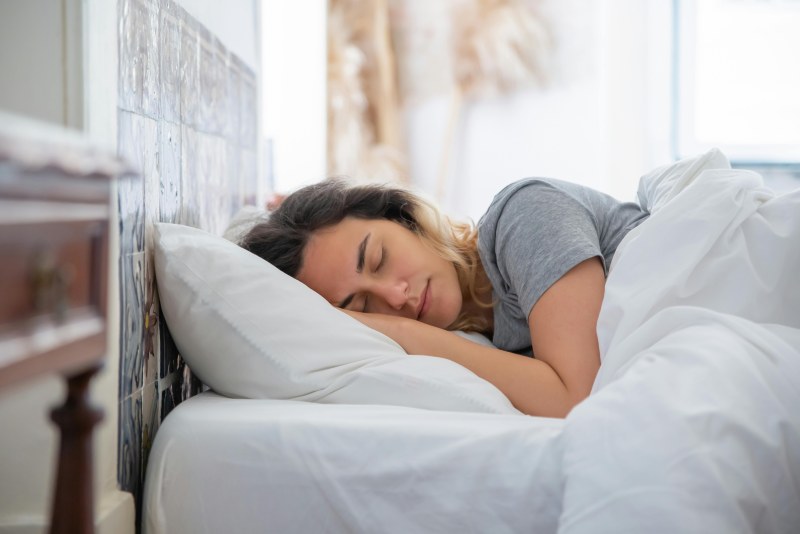
This quote hits home for casual athletes. Recovery isn’t laziness—it’s how you get stronger and avoid injury. Skipping rest can lead to more soreness or even strains, so take those recovery days seriously.
FAQ: Your Soreness Questions Answered
Q: Is it okay to play again if I’m still sore?
A: If soreness is mild (you can move without sharp pain), light activity like walking or gentle stretching can help. But skip intense games until the ache fades—pushing through severe soreness might lead to injury.
Q: How long does soreness usually last?
A: DOMS typically peaks 24-72 hours after exercise and fades within 5-7 days. If it lasts longer than a week, check with a healthcare provider (but this is rare for casual games).
Next time you hit the pickup court or field, remember: soreness is normal, but recovery is key. Try one of these methods, rest up, and you’ll be ready to play again in no time.