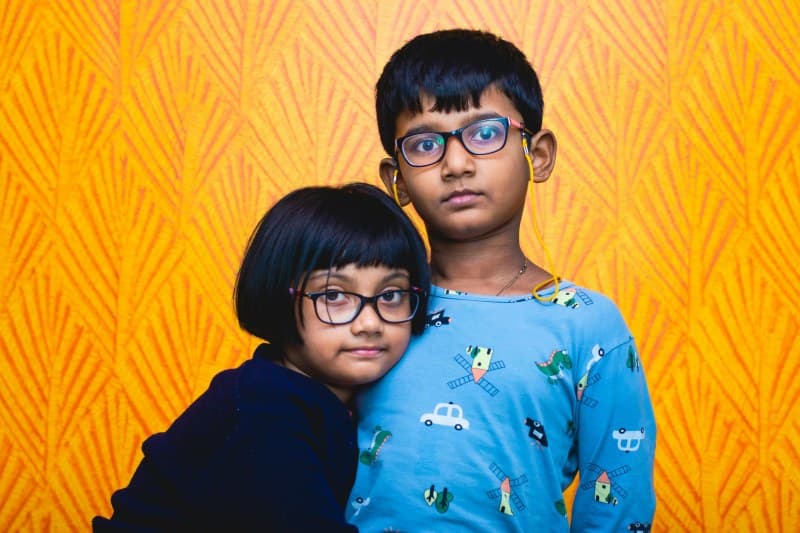
Think back to your childhood: Did you ever fight with your sibling over the last slice of pizza, a favorite toy, or who got to pick the movie? For Lila and Jake, that rivalry didn’t end when they grew up. When their parents gave Lila their mom’s vintage necklace, Jake felt overlooked—igniting a fight that lasted months. It wasn’t until they sat down and talked that they realized their tension wasn’t about the necklace; it was about feeling unheard. Sibling rivalry is a universal experience, but it’s often misunderstood.
What Is Sibling Rivalry, Really?
Sibling rivalry is the natural competition or tension between brothers and sisters. It can show up as bickering, jealousy, or even silent resentment. While it’s most common in childhood, it can persist into adulthood—especially during big life changes like inheritance, parenthood, or family crises. At its core, it’s usually about wanting to feel seen, valued, or equal in the eyes of parents or family.
5 Myths About Sibling Rivalry (Busted)
Let’s set the record straight on some common misconceptions:
| Myth | Reality |
|---|---|
| It only happens in childhood. | Adults often clash over inheritance, family roles, or perceived favoritism. |
| It means siblings don’t love each other. | Rivalry and deep affection can coexist—many siblings fight but still have each other’s backs. |
| Parents are always to blame. | While favoritism plays a role, factors like age gaps, personality differences, and life stressors also contribute. |
| It’s only about material things. | Most conflicts stem from emotional needs: feeling ignored, unappreciated, or overshadowed. |
| It can’t be fixed. | With open communication and empathy, even long-standing tension can be eased. |
Key Causes of Sibling Tension
Why do siblings fight? Here are some common triggers:
- Perceived favoritism: When one sibling feels the other gets more attention, praise, or resources.
- Age gaps: A 5-year difference means different needs—an older child might feel left out when a baby arrives.
- Personality clashes: A laid-back sibling and a competitive one might butt heads over daily choices.
- Family changes: Divorce, moving, or a new sibling can disrupt the balance and spark rivalry.
- Inheritance: Disagreements over family heirlooms or assets are common in adulthood.
Gentle Fixes to Ease Rivalry
You don’t need to eliminate rivalry entirely—mild competition is healthy. But if it’s causing hurt, try these tips:
- One-on-one time: Parents should spend individual time with each child to make them feel special.
- Active listening: When siblings fight, let each speak without interruption. Ask them to repeat what the other said to ensure understanding.
- Celebrate differences: Instead of comparing, highlight each sibling’s unique strengths (e.g., “Your art is so creative, and your brother’s math skills are amazing!”).
- Address conflicts early: Don’t let resentment build—talk about issues when they’re small.
- Seek neutral help: If tension persists, a family counselor or trusted relative can mediate.
“Siblings are the people we practice on, the people who teach us about fairness and cooperation and kindness and caring—quite often the hard way.” — Pamela Dugdale
This quote reminds us that sibling rivalry isn’t just about fighting; it’s a lesson in how to navigate relationships. The conflicts we have with our siblings shape our ability to compromise, empathize, and love deeply.
FAQ: Can Sibling Rivalry Ever Be Good?
Q: Is there any upside to sibling rivalry?
A: Yes! Mild rivalry helps kids develop important life skills. For example, a sibling race to finish chores can teach responsibility and teamwork. It also helps them learn to handle disappointment—like losing a game—and bounce back. As long as it’s not hostile or hurtful, it’s a normal part of growing up.
At the end of the day, sibling rivalry is a sign of a close family. It’s not about winning or losing—it’s about learning to love each other, flaws and all. For Lila and Jake, that meant sharing stories about their mom and realizing the necklace was just a symbol of their love for her. Sometimes, all it takes is a little empathy to turn rivalry into connection.