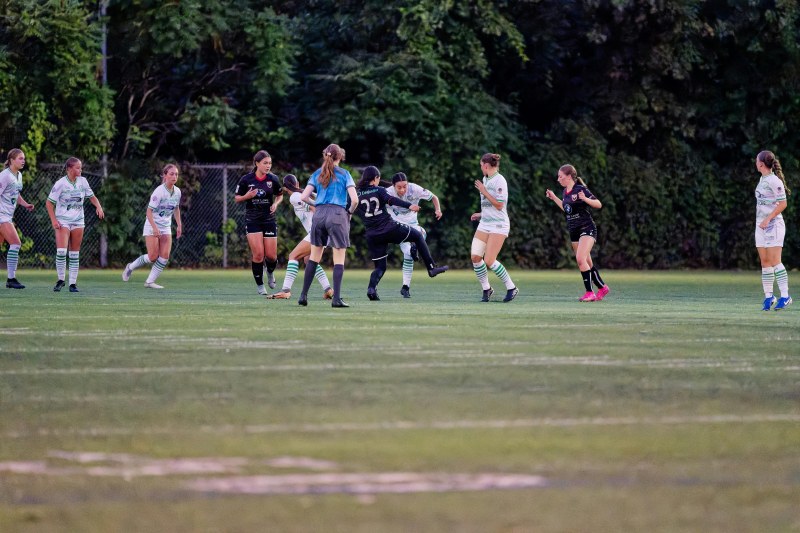
My friend Lila used to say she was “the least athletic person alive.” In high school, she’d sit out PE because she couldn’t keep up with the runners or hit a volleyball. But last year, she joined a local pickleball league—and now she’s one of the top players in her division. How? She stopped believing the myth that you have to be born athletic to excel.
The Truth About “Born Athleticism”
Genetics do play a role—some people have a natural edge in speed, strength, or flexibility. But studies show that deliberate practice (focused, repetitive training with feedback) is the biggest predictor of success in sports. Even elite athletes like Michael Jordan spent hours honing their skills, not just relying on talent.
5 Common Myths About Athleticism Debunked
- Myth 1: You need to start young to be good. Truth: Adults can learn new sports—Lila started pickleball at 32 and mastered it in a year.
- Myth 2: Fast-twitch muscles make you a better athlete. Truth: Endurance sports (like long-distance running) rely on slow-twitch muscles, and training can enhance both types.
- Myth3: Athletes never fail. Truth: Every great athlete has failed hundreds of times—Jordan missed 9,000+ shots in his career.
- Myth4: Coordination is innate. Truth: Coordination is a skill—practicing balance drills or hand-eye exercises can improve it.
- Myth5: Sports are only for the “gifted.” Truth: Casual sports are about fun and improvement, not just winning. Anyone can enjoy and get better.
Let’s break down how natural talent stacks up against developed skill:
| Factor | Natural Talent | Developed Skill |
|---|---|---|
| Consistency | Fades without practice | Stays with regular use |
| Adaptability | Limited to specific sports | Transfers to new activities |
| Longevity | Peaks early (teens/20s) | Can improve into middle age |
| Growth Potential | Hits a ceiling quickly | Unlimited with practice |
“I’ve failed over and over and over again in my life. And that is why I succeed.” — Michael Jordan
This quote sums up the heart of athletic growth: failure isn’t a sign of lack of talent—it’s a step toward improvement. Lila missed dozens of shots when she started pickleball, but each miss taught her to adjust her grip and aim.
FAQ: Can I start a new sport as an adult?
Q: I’m 45 and want to try tennis—am I too old to get good enough to play with friends?
A: Definitely not! Adult beginner classes are common, and many casual players start later in life. Focus on learning the basics (like holding the racket and hitting the ball) and practice 1-2 times a week. You’ll be playing rallies in no time.
3 Tips to Improve Your Athletic Skills (No “Talent” Required)
- Small daily practice: Spend 10 minutes a day on a specific skill (e.g., dribbling a basketball or serving a tennis ball). Consistency beats cramming.
- Get feedback: Ask a coach or experienced player to watch you and point out areas to improve. Bad habits are hard to break once they’re ingrained.
- Embrace the process: Don’t get discouraged by mistakes. Every error is a chance to learn and grow.
At the end of the day, athleticism isn’t about being born with it—it’s about choosing to show up, practice, and keep going. Whether you’re a beginner or a seasoned player, the most important thing is to enjoy the journey.