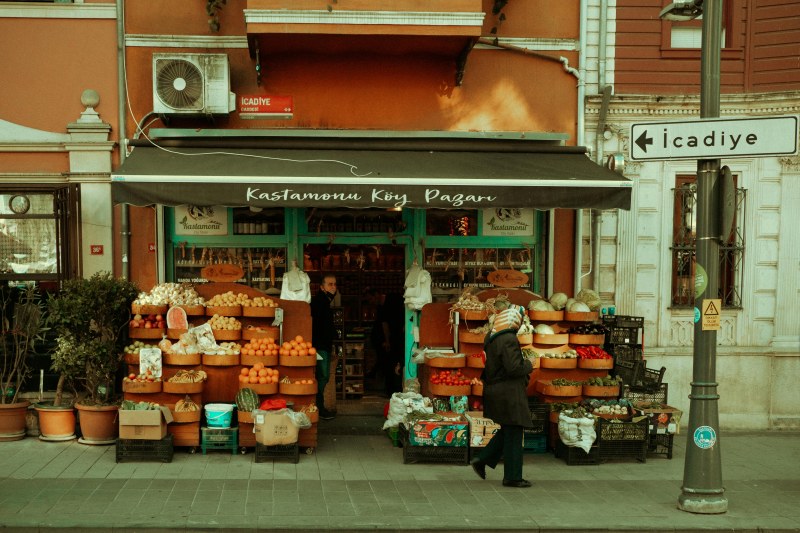
Last year, I spent three days in Tokyo rushing from Shibuya Crossing to Senso-ji Temple, checking off landmarks like a to-do list. By the end, I was exhausted and couldn’t remember half the places I’d visited. Then a local friend took me to a tiny, hidden bookstore in Yanaka, where we sipped matcha and flipped through old manga for an hour. That’s when I realized: slow travel in cities isn’t about skipping landmarks—it’s about savoring the spaces in between.
What Is Urban Slow Travel, Anyway?
Slow travel isn’t just for rural villages or coastal towns. In cities, it’s about shifting your focus from quantity to quality: taking time to connect with local culture, talk to residents, and notice the small, meaningful moments that make a place unique. It’s trading a packed itinerary for intentional exploration.
4 Common Myths About Urban Slow Travel (Debunked)
Let’s break down the most persistent myths and what’s really true:
| Myth | Reality |
|---|---|
| You need weeks to do slow travel in a city | Even 2-3 days work—focus on one neighborhood instead of the whole city. |
| Slow travel means skipping famous landmarks | It means pairing landmarks with nearby local spots (e.g., after the Eiffel Tower, visit a nearby boulangerie). |
| Urban slow travel is expensive | It’s often cheaper—opt for walking, local transit, and street food instead of tourist traps. |
| Cities are too busy for slow travel | Busy areas have hidden quiet corners (e.g., rooftop gardens, small libraries) if you look. |
Practical Tips to Try Urban Slow Travel
- Pick one neighborhood per day: Instead of hopping across the city, spend a full day in Montmartre (Paris) or Brooklyn Heights (NYC). You’ll get to know the area’s rhythm and find hidden spots.
- Walk or take local transit: Skip taxis—walking lets you notice street art, small shops, and unexpected encounters. In Tokyo, the Yamanote Line’s local trains are a great way to explore neighborhoods without rushing.
- Talk to locals: Ask a barista for their favorite hidden spot, or a street vendor about their family’s recipe. In Mexico City, a taco vendor once told me about a secret park nearby where locals gather to play mariachi.
- Allow unplanned time: Leave 1-2 hours each day without a schedule—you might stumble on a farmers’ market or a live music performance.
A Hidden Gem Story: Yanaka’s Old Bookstore
When I was in Tokyo, my friend took me to Kanda Shoten, a 70-year-old bookstore in Yanaka. The owner, Mr. Tanaka, showed me his collection of vintage Japanese children’s books and told me about how the neighborhood had changed over the years. We sat on wooden stools and drank matcha he’d brewed himself. That hour was more memorable than any landmark I’d visited. It’s the kind of moment slow travel brings—one that stays with you long after the trip ends.
“To travel hopefully is a better thing than to arrive.” — Robert Louis Stevenson
This quote sums up urban slow travel perfectly. It’s not about checking off destinations—it’s about the hope of discovering something new, even in a busy city. Every unplanned turn or conversation is a chance to connect with the place in a deeper way.
FAQ: Can I Do Slow Travel in a City If I Only Have 2 Days?
Q: I’m visiting a city for just 2 days—can I still practice slow travel?
A: Absolutely! Pick one neighborhood (e.g., Berlin’s Kreuzberg) and dive deep. Visit a local café for breakfast, walk around street art murals, stop at a community garden, and eat dinner at a family-run restaurant. You’ll leave with a richer understanding of the city than if you’d rushed to 10 landmarks.
Slow travel in cities is about shifting your mindset—from “how many places can I see?” to “what can I learn and feel here?” It’s accessible, affordable, and makes every trip feel more meaningful. Give it a try on your next urban adventure!