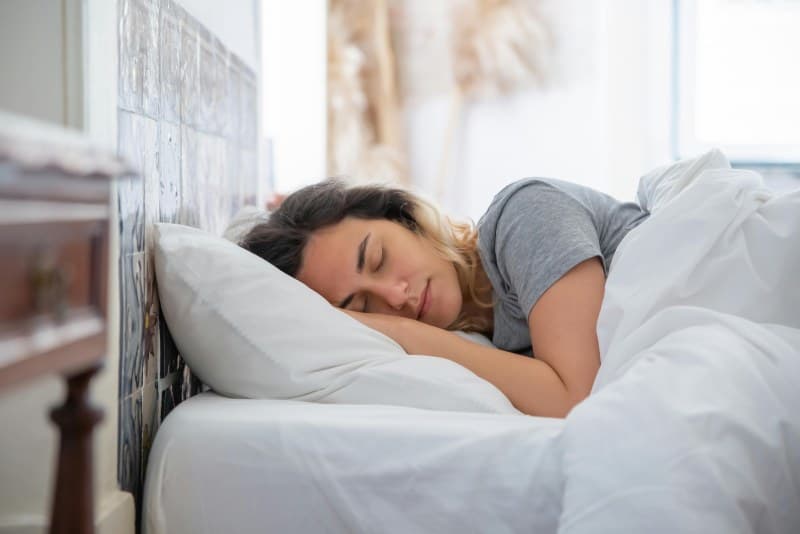
Let’s start with a relatable story: Sarah, a 32-year-old elementary teacher, noticed she was catching colds every month and her post-workout muscle soreness lingered for days. She tried vitamin C supplements and stretching more, but nothing stuck—until she started tracking her sleep. Turns out, she was only getting 5-6 hours a night, far less than the recommended 7-8. After adjusting her bedtime to get an extra hour, her colds decreased and her recovery time shrank. Sleep isn’t just about feeling rested—it’s a cornerstone of physical health.
The Science Behind Sleep and Your Body
While you sleep, your body isn’t just “off”—it’s hard at work. During deep sleep, your cells repair damage, your immune system produces infection-fighting cells, and your hormones regulate hunger and energy. Skimping on sleep throws these processes out of balance, leading to unexpected physical issues.
6 Key Physical Health Impacts of Sleep
Below is a breakdown of how sleep affects different parts of your body, plus quick fixes to improve each area:
| Impact Area | How Sleep Affects It | Quick Fix |
|---|---|---|
| Immune System | Deep sleep boosts production of cytokines (proteins that fight infection). Poor sleep reduces these, making you more prone to colds. | Aim for 7+ hours nightly during flu season. |
| Weight Regulation | Sleep loss increases ghrelin (hunger hormone) and decreases leptin (fullness hormone), leading to cravings for sugary snacks. | Avoid screens 1 hour before bed to improve sleep quality. |
| Heart Health | Chronic sleep deprivation raises blood pressure and inflammation, increasing heart disease risk. | Stick to a consistent sleep schedule (even on weekends). |
| Muscle Recovery | During sleep, your body releases growth hormone, which repairs muscle tissue from workouts. | Add a small protein snack (like Greek yogurt) before bed to support recovery. |
| Skin Health | Sleep helps your skin produce collagen and repair UV damage—skimping leads to dullness and fine lines. | Use a silk pillowcase to reduce friction and keep skin hydrated. |
| Blood Sugar Control | Sleep loss impairs insulin sensitivity, increasing the risk of type 2 diabetes. | Limit caffeine after 2 PM to avoid disrupting sleep. |
Common Sleep Myths Debunked
Let’s clear up some persistent myths:
- Myth: You can catch up on sleep on weekends.
Fact: Irregular sleep schedules disrupt your circadian rhythm, leading to grogginess and long-term health issues. - Myth: 8 hours of sleep is the same for everyone.
Fact: Most adults need 7-9 hours, but some may need more or less—listen to your body.
A Classic Take on Sleep
Hippocrates once said, “Sleep is the best medicine.” This ancient wisdom still holds true today—sleep is the foundation of physical health, helping your body heal and function at its best.
FAQ: Your Sleep Questions Answered
Q: Can napping replace lost nighttime sleep?
A: Short naps (20-30 minutes) can boost energy and focus, but they don’t replace the deep, restorative sleep you get at night. If you’re sleep-deprived, prioritize nighttime rest over long naps.
Final Thoughts
Small changes to your sleep routine can make a big difference in your physical health. Whether it’s adjusting your bedtime, avoiding screens before bed, or sticking to a schedule, every step counts. Remember: sleep isn’t a luxury—it’s an essential part of taking care of your body.