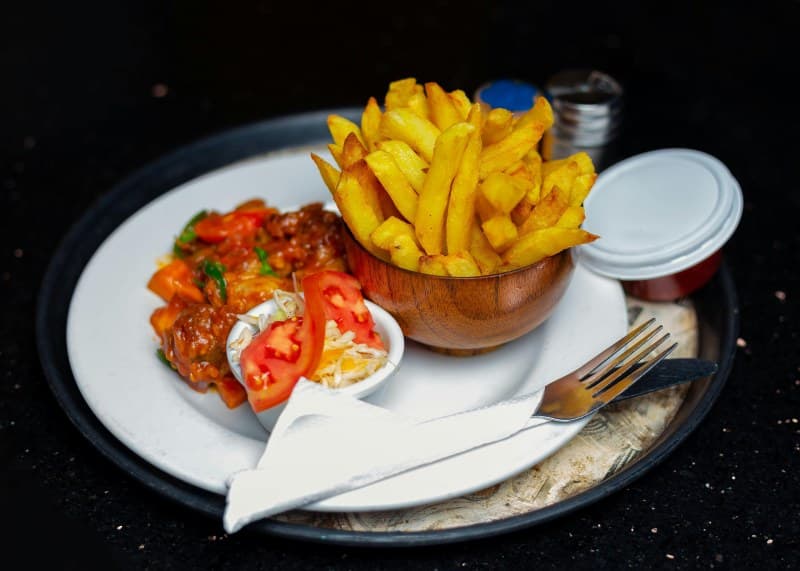
We’ve all been there: you finish a hearty lunch, sit back at your desk, and suddenly your eyes feel heavy. Your brain turns to mush, and even the simplest task feels like climbing a mountain. Sarah, a freelance writer, knows this all too well—her go-to pasta lunch left her napping on her keyboard every afternoon until she figured out how to beat the slump.
Why the post-meal slump happens
It’s not just your imagination—there’s science behind that midday crash. When you eat, your body redirects blood flow from your brain to your digestive system to break down food. For meals high in refined carbs (like white bread or pasta), your body releases a surge of insulin to process the sugar. This insulin spike triggers tryptophan (an amino acid) to enter your brain, where it turns into serotonin—your body’s feel-good, sleep-inducing chemical. Large meals also take more energy to digest, leaving you feeling drained.
How different meals affect your energy
Not all meals are created equal. Here’s a quick comparison of common lunch choices and their impact:
| Meal Type | Slump Severity | Duration | Key Reason |
|---|---|---|---|
| Refined carbs (pasta, white bread) | High | 1-2 hours | Insulin spike + tryptophan surge |
| Balanced (quinoa + veggies + chicken) | Low | None | Steady energy from complex carbs + protein |
| Protein-focused (Greek yogurt + nuts) | Minimal | None | Slow digestion + no insulin crash |
7 ways to bounce back from the slump
- Opt for balanced meals 🍱: Pair complex carbs (brown rice, oats) with protein (chicken, beans) and healthy fats (avocado, olive oil). This keeps your blood sugar steady.
- Eat smaller portions: Large meals take more energy to digest. Try splitting your lunch into two smaller parts if you can.
- Stay hydrated 💧: Dehydration worsens fatigue. Sip water throughout the day—add lemon or mint for flavor.
- Take a short walk 🚶: A 10-minute walk gets blood flowing back to your brain and boosts endorphins. Sarah started taking a walk around the block after lunch and noticed a huge difference.
- Avoid sugary drinks: Soda or sweetened coffee gives a quick burst but leads to a bigger crash later.
- Choose complex carbs: Swap white bread for whole grain, or pasta for quinoa. These take longer to digest, keeping energy levels stable.
- Limit caffeine after noon: Caffeine can stay in your system for 6-8 hours, disrupting nighttime sleep and making the next day’s slump worse.
“Let food be thy medicine and medicine be thy food.” — Hippocrates
This ancient wisdom rings true today. The food you choose directly impacts how you feel. Sarah swapped her pasta lunch for a quinoa bowl with grilled chicken and veggies, and her afternoon slump vanished.
FAQ: Is napping after eating okay?
Q: I’m so tired after lunch—can I take a nap?
A: Short naps (10-20 minutes) are perfectly fine! They can refresh your brain without leaving you groggy. Avoid naps longer than 30 minutes, though—they might disrupt your nighttime sleep and make you feel more tired when you wake up.
Beating the post-meal slump isn’t about deprivation—it’s about making small, smart choices. Try one of these tips tomorrow and see how you feel. Your brain (and your productivity) will thank you!