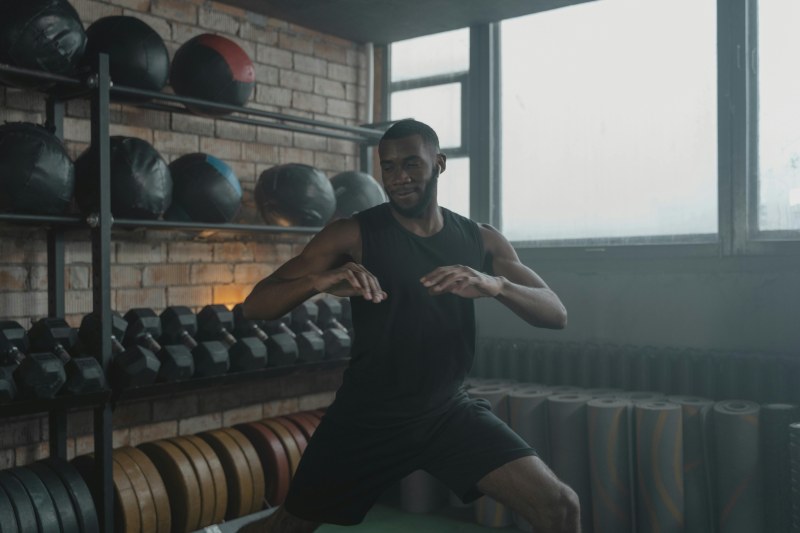
Let’s talk about Sarah: a marketing manager who works 10-hour days, juggles meetings, and barely has time to make dinner. She wanted to get back into sports but thought, “I don’t have 30 minutes to spare—what’s the point?” Then she tried 10-minute lunch walks and weekly pickleball games with friends. Now she feels more energized, sleeps better, and even looks forward to her small sports sessions. If that sounds like you, keep reading.
Myths vs. Truths: What You’re Getting Wrong About Casual Sports
Many busy people skip casual sports because of common misconceptions. Let’s set the record straight:
| Myth | Truth |
|---|---|
| You need 30+ minutes of continuous exercise to benefit. | 10-minute bursts (like a quick jog or dance break) add up to daily activity goals. |
| Casual sports aren’t “real” fitness. | Any movement that raises your heart rate boosts mood and cardiovascular health. |
| You have to join a team to play. | Solo activities (frisbee, hiking) or one-on-one games (tennis, badminton) work just as well. |
5 Key Things to Know for Busy Casual Athletes
1. Prioritize Consistency Over Intensity ⚡
Sarah’s story shows this: she didn’t do long workouts, but she stuck to small, regular activities. Even 15 minutes a day, 3 times a week, makes a difference. Consistency builds habits that stick, unlike occasional intense sessions that are hard to maintain.
“We are what we repeatedly do. Excellence, then, is not an act but a habit.” — Aristotle
This quote applies perfectly here. Casual sports don’t need to be perfect—they just need to be regular. A 10-minute walk every morning is better than a 2-hour gym session once a month.
2. Choose Sports That Fit Your Schedule
If you have 20 minutes after work, pick something quick like jump rope or a walk around the block. If you have an hour on weekends, try a round of golf or a hike. The key is to match the sport to your available time so you don’t feel pressured.
3. Use Sports to De-Stress
Casual sports aren’t just about fitness—they’re a way to unwind. Playing a game of cornhole with friends after a long day can reduce stress levels. The social aspect plus movement releases endorphins, which make you feel happier.
4. Don’t Worry About Being “Good”
Casual sports are for fun, not competition. Even if you’re not the best at pickleball or frisbee, the act of moving is what matters. Sarah was terrible at pickleball at first, but she kept playing because she enjoyed the time with friends.
5. Mix It Up to Avoid Burnout
Try different sports each week: one day pickleball, another day cycling, another day yoga. This keeps things fresh and prevents boredom. Sarah added a weekly yoga class to her routine and found it helped with her back pain from sitting at a desk.
FAQ: Common Question for Busy People
Q: I only have 15 minutes a day—can that really help me stay active?
A: Absolutely! The CDC recommends 150 minutes of moderate activity per week, which breaks down to 21 minutes a day. 15 minutes is close enough, and even small amounts of movement improve energy levels and mood. Sarah’s 10-minute walks added up to 70 minutes a week, which is a great start.
So, if you’re busy and want to stay active, don’t overthink it. Pick a sport you enjoy, start small, and stick with it. You’ll be surprised at how much difference it makes.