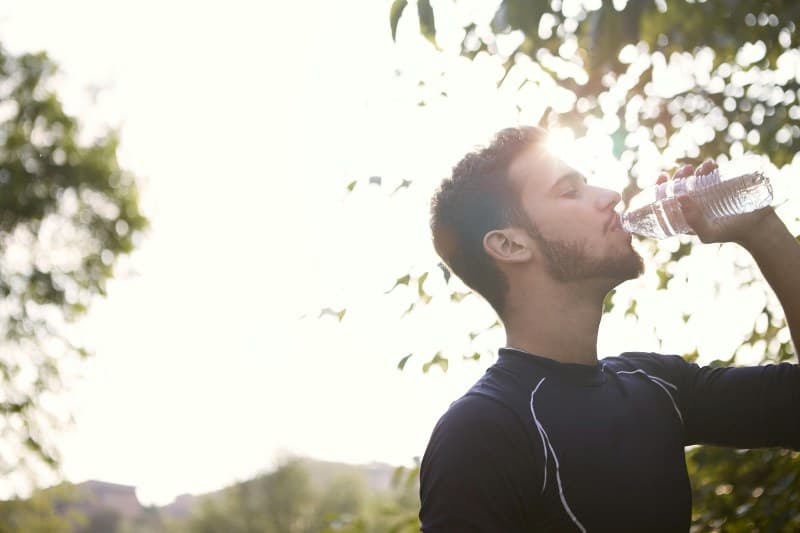
Let’s start with a relatable story: My friend Lila used to carry a 2-liter water bottle everywhere, chugging it even when she wasn’t thirsty. She thought she had to hit that 8-glass mark to stay healthy—until she realized it was making her run to the bathroom every hour. Sound familiar? The 8-glass rule is one of the most persistent health myths out there, but is it actually true?
The Truth Behind the 8-Glass Myth
The idea of drinking 8 glasses (about 2 liters) of water a day didn’t come from a scientific study. It’s believed to have originated from a 1945 U.S. Food and Nutrition Board recommendation that suggested adults need about 2.5 liters of water daily—including water from food. Most people forget that part! Fruits, veggies, soups, and even coffee contribute to your daily hydration. So if you eat an apple (which is 86% water) or a bowl of soup, you’re already checking off part of your water quota.
Two Key Myths Debunked
Myth 1: Thirst means you’re already dehydrated
For years, we’ve been told that feeling thirsty is a sign of late-stage dehydration. But recent research shows that thirst is a normal, healthy signal—your body’s way of saying it needs a drink. It’s not a red flag; it’s just your body doing its job. So instead of forcing water when you’re not thirsty, listen to your body’s cues.
Myth 2: More water = better health
Drinking excessive water won’t make you “healthier” or detox your body faster. In fact, overhydration (hyponatremia) can be dangerous—it dilutes the sodium in your blood, leading to symptoms like nausea, headaches, or even seizures. For most people, drinking when thirsty is enough.
How Much Water Do You Actually Need?
Hydration needs vary based on age, activity level, and environment. Here’s a quick breakdown:
| Group | Daily Water Intake (Total, Including Food) | Notes |
|---|---|---|
| Average Adult (Sedentary) | 2-3 liters | Mostly from food and drinks |
| Athlete (Active) | 3-5 liters | More for sweat loss |
| Pregnant Person | 2.3-3 liters | Supports fetal development |
| Elderly Adult | 2-2.5 liters | Thirst signals may weaken with age |
A Classic Take on Hydration
“Water is the driving force of all nature.” — Leonardo da Vinci
Da Vinci’s words remind us that water is essential, but it’s not about forcing a rigid number. It’s about respecting the natural balance of our bodies.
Common Q&A
Q: Can I count other drinks (like tea or juice) towards my daily water intake?
A: Yes! Most non-alcoholic, non-caffeinated drinks (like herbal tea or fruit juice) contribute to hydration. Even caffeinated drinks (coffee, black tea) are okay in moderation—studies show they don’t dehydrate as much as once thought, especially if you’re a regular drinker.
Practical Tips for Staying Hydrated
- Keep a water bottle nearby, but don’t force yourself to drink if you’re not thirsty.
- Add flavor to water with lemon, cucumber, or berries if plain water bores you.
- Eat water-rich foods like watermelon (92% water), cucumbers (96% water), or oranges (87% water).
- After exercise, drink water to replace sweat loss—but don’t overdo it.
At the end of the day, hydration is personal. Lila now drinks when she’s thirsty, and she’s stopped stressing about the 8-glass rule. Her bathroom breaks are fewer, and she feels more in tune with her body. That’s the real win.