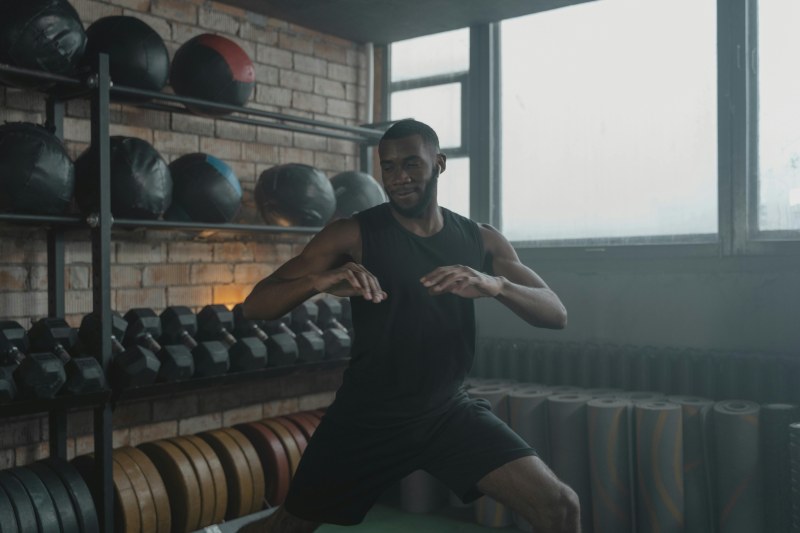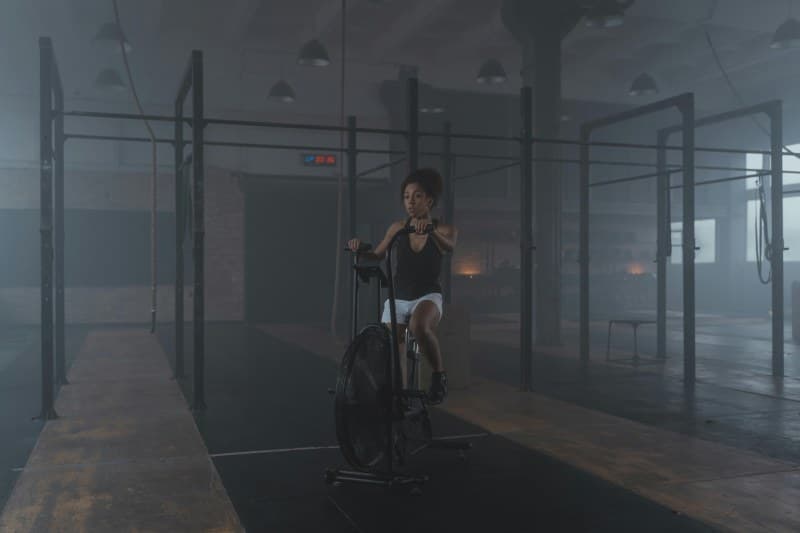
My friend Lila used to stare at the CrossFit gym down the street like witha her way home, wondering if she’d 够 fit to step inside. She’d seen videos videos of ripped athletes lifting heavy weights and thoughtburpees, and thought, “That’s not for someone like me.” But after finally worked up thecourage to try a beginner class, she realized most of what she’d heard about was a myth mythaken.
Crosst CrossFit is a fitness program program that focusesses functional movements (like squats, push-ups, and deadrows)) performed at varying intensitiesensity. The key word here is “scability. Every workoutworkout modifiedmodified to fit your fitness level—whether you’re a total beginner or a a seasoned athlete. CrossFit gyms (called “boxes”) also emphasize community, so you’ll often find teammates cheeringging each other onward.
7 CrossFit Myths You Need to Stop Believing
Let’s set the record straight with these common myths:
| Myth | Fact |
|---|---|
| CrossFit is only for bodybuilders. | Workouts are scaled to all levels—beginners can use lighter weights or bodyweight alternatives. |
| It’s all about heavy lifting. | CrossFit includes cardio, bodyweight exercises, and gymnastics too. |
| You’ll definitely get injuredjured. | Coaches prioritize proper form over intensity. Injuries are rare when you follow their guidance. |
| You need expensive gear. | Basic athletic shoes and comfortable clothes are enough to start. |
| It’s too intense for beginners. | Beginner classes focus on learning fundamentals, not pushing to the limit. |
| You have to go every day. | 3-4 times a week is ideal—rest days are crucial for recovery. |
| CrossFit is just a fad. | It’s been around since 2000 and continues to grow, thanks to its results and community. |
Practical Tips to Start CrossFit Confidently
- Find the right box: Look for gyms that offer a beginner “on-ramp” program to teach basics.
- Master the fundamentals: Spend time learning squats, push-ups, and deadlifts with proper form—this will prevent injuries later.
- Listen to your coach: They’re there to help you scale workouts and correct your form.
- Don’t compare: Everyone starts somewhere. Focus on your own progress, not others’.
- Rest: Give your body time to recover—soreness is normal, but pain isn’t.
CrossFit Gear: What You Need vs What’s Optional
You don’t need to break the bank to start. Here’s a quick breakdown:
| Optional | Reason | |
|---|---|---|
| Athletic shoes with good support | Resistance bands | Shoes protect your feet; bands help scale pull-ups or push-ups. |
| Comfortable workout clothes | Wrist wraps | Clothes let you move freely; wraps support wrists during lifting. |
| Water bottle | Gym bag | Hydration is key; a bag keeps your gear organized. |
“It does not matter how slowly you go as long as you do not stop.” – Confucius
This quote perfectly sums up CrossFit for beginners. You don’t have to nail a pull-up on your first day or finish a workout in record time. What matters is showing up and making small progress each week.
FAQ: Your Burning CrossFit Questions Answered
Q: Do I need to be in shape to start CrossFit?
A: No! Coaches modify every workout to fit your current level. For example, if a workout calls for burpees, beginners can do step-back burpees instead of full ones.
Q: How long does a typical CrossFit class last?
A: Most classes are 60 minutes—including a warm-up, skill work, the main workout, and a cool-down.
Lila now goes to CrossFit three times a week and loves it. She’s stronger, has more energy, and made new friends. If she can do it, so can you. Give that local box a call—you might be surprised at how welcoming it is.