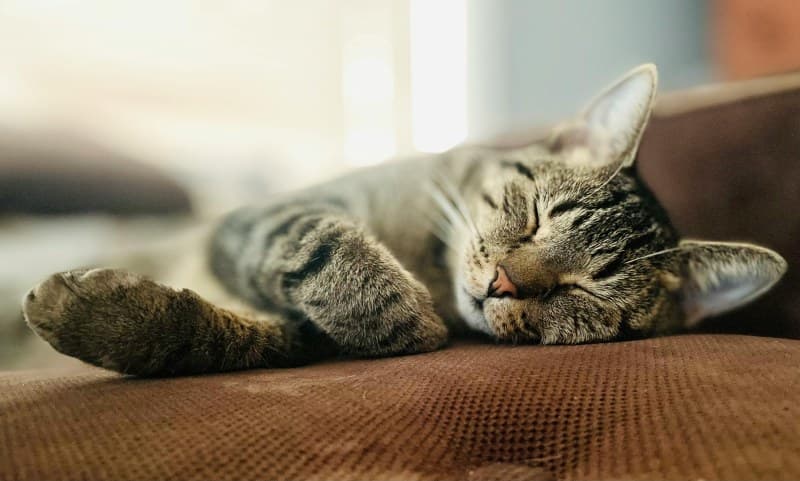
We’ve all been there—mid-afternoon, eyes heavy, keyboard blurring, and that little voice saying, “Just 10 minutes.” But nap too long, and you wake up feeling like you’ve been hit by a truck. Nap too short, and you’re still dragging. What’s the secret to napping right? Let’s break down the 4 key types of naps, who should skip them, and how to get the most out of your rest.
4 Key Types of Naps: A Quick Comparison
Not all naps are created equal. Here’s how the four main types stack up:
| Type | Duration | Best For | Pros | Cons |
|---|---|---|---|---|
| Power Nap | 10-20 mins | Quick energy boost | No grogginess, improves alertness | May not help with deep fatigue |
| Recovery Nap | 30-60 mins | Making up for lost sleep | Reduces fatigue, improves mood | Potential grogginess (sleep inertia) |
| Prophylactic Nap | 20-30 mins | Before a long night (e.g., shift work) | Prevents exhaustion, boosts performance | May disrupt regular sleep schedule if overdone |
| Habitual Nap | 15-30 mins | Daily routine (e.g., siesta) | Consistent energy, reduces stress | Hard to maintain if schedule changes |
Who Should Avoid Napping (Or Be Careful)?
While napping is great for many, some groups should proceed with caution:
- Insomnia sufferers: Napping can reduce nighttime sleep drive, making it harder to fall asleep at night.
- Sleep apnea patients: Napping may worsen breathing issues if not using a CPAP machine.
- People on certain meds: Sedatives or antidepressants can make napping too deep, leading to grogginess.
- Those with chronic fatigue syndrome: Napping may not relieve fatigue and could make it worse.
How to Nap Like a Pro: Quick Tips
To get the most out of your nap, follow these simple rules:
- Keep it short: Stick to 10-20 minutes to avoid sleep inertia.
- Nap early: Try to nap before 3 PM—later naps can interfere with nighttime sleep.
- Create a calm space: Darken the room, use an eye mask, or play soft white noise.
- Avoid caffeine: Skip coffee or tea 1-2 hours before napping, as it can disrupt your rest.
“Rest is not idleness, and to lie sometimes on the grass under trees on a summer's day, listening to the murmur of the water, or watching the clouds float across the sky, is by no means a waste of time.” — John Lubbock
This quote reminds us that rest, including napping, is an essential part of productivity and well-being. It’s not a lazy break—it’s a way to recharge and show up better for the tasks ahead.
Real-Life Example: Sarah’s Nap Transformation
Sarah, a 32-year-old graphic designer, used to struggle with midday slumps. She’d take 90-minute naps every afternoon, but wake up feeling disoriented and sluggish. Her nighttime sleep suffered, and she found herself staying up late to finish work.
After learning about power naps, Sarah switched to 20-minute sessions in a dark, quiet room. She set an alarm to avoid oversleeping. Within a week, she noticed a huge difference: she felt refreshed, finished her work earlier, and slept soundly through the night. “It’s like I got my energy back,” she said. “I don’t know why I didn’t try this sooner.”
Common Q&A About Napping
Q: Will napping make me groggy?
A: It depends on the length and timing. Naps longer than 30 minutes can lead to sleep inertia (grogginess) because you enter deep sleep. Stick to 10-20 minutes to avoid this.
Q: Can napping help with productivity?
A: Yes! Studies show that short naps improve alertness, memory, and problem-solving skills. They’re a great way to recharge during a busy day.