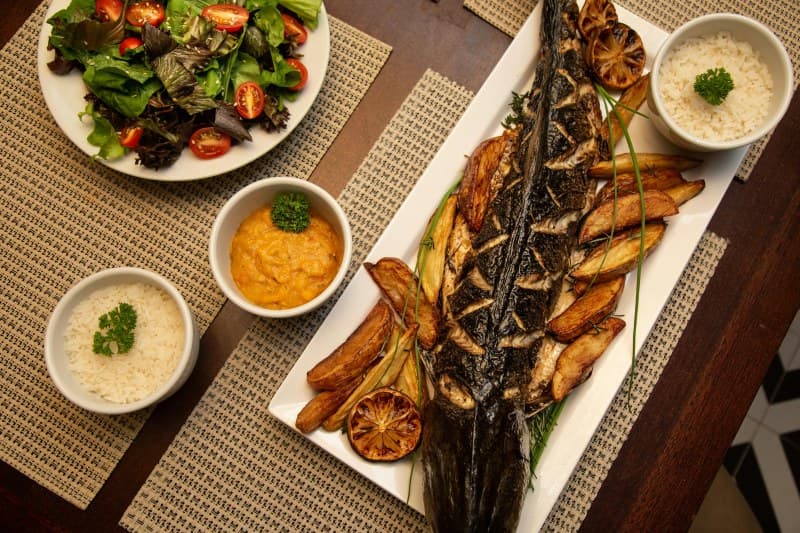
You’re at a family dinner, finishing up a plate of your favorite bean chili and garlic bread. Ten minutes later, your stomach feels like it’s inflated with a balloon. You’re uncomfortable, can’t sit straight, and wonder why this always happens after eating certain foods. Post-meal bloating is a common wellness woe, but it doesn’t have to ruin your meals.
Why Does Post-Meal Bloating Happen?
Bloating usually stems from two main sources: what you eat and how you eat. Let’s break down the most common triggers:
| Category | Examples | How It Causes Bloating |
|---|---|---|
| Food Triggers 🥦 | Beans, cruciferous veggies (broccoli, cabbage), carbonated drinks, artificial sweeteners | These foods are hard to digest, so gut bacteria ferment them, producing gas that builds up in the stomach. |
| Habit Triggers 🥢 | Eating too fast, drinking through a straw, overeating, eating while distracted | Swallowing air (from fast eating or straws) or stretching the stomach (from overeating) leads to bloating. |
2 Key Ways to Ease Post-Meal Bloating
1. Adjust Your Food Choices (Smart Swaps)
Small changes to what you eat can make a big difference. For example:
- Soak beans overnight before cooking to reduce indigestible sugars.
- Swap carbonated drinks for herbal tea (like peppermint or ginger 🍵) to calm the gut.
- Gradually add high-fiber foods to your diet—sudden increases can shock the gut.
Take Sarah, a 32-year-old teacher who loved beans but always felt bloated after eating them. She started soaking her beans for 8 hours and adding a pinch of ginger to her recipes. Within a week, her bloating reduced by half, and she could enjoy her favorite meals again.
2. Fix Your Eating Habits
How you eat is just as important as what you eat. Try these tips:
- Chew each bite 20 times—this helps break down food and reduces air swallowing.
- Avoid eating while scrolling on your phone or working—distraction leads to fast eating.
- Skip the straw—opt for a regular glass to cut down on air intake.
Mark, a software engineer, used to eat lunch at his desk while coding. He noticed he was always bloated by 2 PM. He started taking 15 minutes to eat without screens, chewing slowly. Within a month, his afternoon bloating was gone.
“Let food be thy medicine and medicine be thy food.” — Hippocrates
This ancient wisdom rings true here: choosing the right foods and eating mindfully can be the best remedy for bloating. It’s not about cutting out your favorite foods—it’s about making small, sustainable changes.
Common Question About Bloating
Q: Is post-meal bloating always a sign of a serious health problem?
A: Most of the time, no. Bloating is a normal reaction to certain foods or habits. But if it’s persistent (happens every day) or accompanied by pain, diarrhea, or weight loss, it’s best to consult a healthcare provider to rule out conditions like irritable bowel syndrome (IBS) or food intolerances.
Bloating doesn’t have to be a regular part of your post-meal routine. By adjusting your food choices and eating habits, you can enjoy your meals without the uncomfortable balloon feeling. Listen to your body, make small changes, and give your gut the care it needs.