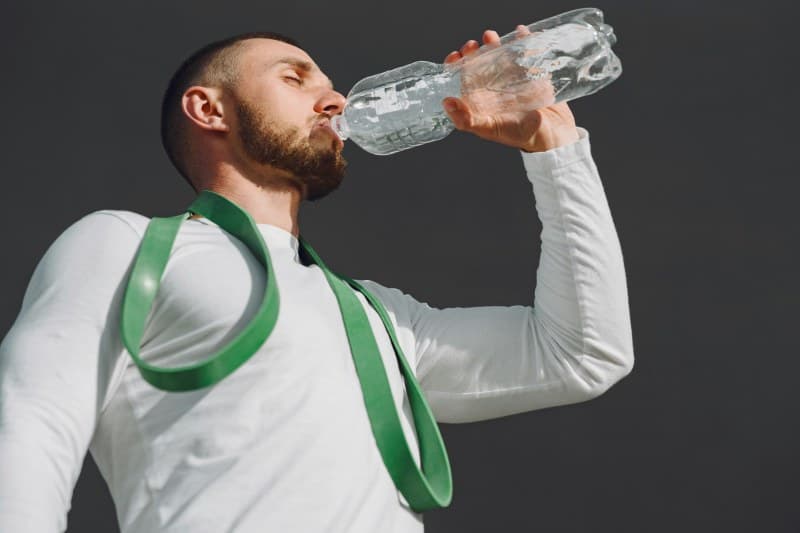
Sarah, a 28-year-old graphic designer, used to hit a wall at 3 PM every day. She’d reach for a second coffee, but it only made her jittery then crash harder. One day, her friend suggested checking her hydration—turns out, she was drinking less than 2 cups of water a day. After upping her intake, her afternoon slump vanished. She didn’t need more coffee; she needed more water. Hydration isn’t just about quenching thirst—it’s a key player in how much energy you have throughout the day.
4 Key Ways Hydration Fuels Your Energy
Water is involved in almost every bodily function, so it’s no surprise it affects your energy levels. Here are four critical ways:
- Boosts blood flow: Dehydration thickens your blood, making it harder for your heart to pump oxygen and nutrients to your cells. This leads to fatigue.
- Supports brain function: Your brain is 73% water. Even mild dehydration (1-2% of body weight) can slow down cognitive function and make you feel foggy or tired.
- Improves muscle performance: Muscles need water to contract. Dehydration causes muscle cramps and weakness, making even simple tasks feel exhausting.
- Speeds up metabolism: Water helps your body break down food into energy. Without enough, your metabolism slows, leading to low energy.
Let’s compare how dehydration vs. optimal hydration affects your energy:
| Aspect | Dehydrated State | Hydrated State |
|---|---|---|
| Blood Flow | Thickened blood, reduced oxygen delivery | Smooth flow, efficient nutrient transport |
| Brain Function | Foggy thinking, slow reaction time | Sharp focus, faster decision-making |
| Muscle Performance | Cramps, weakness, fatigue | Strong contractions, less fatigue |
| Metabolism | Slowed, reduced energy production | Optimized, steady energy release |
Common Hydration Myths That Sabotage Your Energy
There are a lot of myths about hydration that can keep you from getting the energy you need. Let’s bust two big ones:
Myth: Thirst means you’re already dehydrated
While it’s true that thirst is a sign your body needs water, mild dehydration (which can cause fatigue) often happens before you feel thirsty. So don’t wait until you’re parched to drink.
Myth: Only water counts for hydration
Water is the best choice, but other drinks (like herbal tea, milk) and water-rich foods (watermelon, cucumber, oranges) also contribute to your daily hydration. Just avoid sugary drinks, which can cause energy crashes.
“Water is the driving force of all nature.” — Leonardo da Vinci
This quote reminds us that water isn’t just a basic need—it’s the foundation of all life, including our energy levels. Without it, our bodies can’t function at their best.
Practical Tips to Stay Hydrated for Steady Energy
Staying hydrated doesn’t have to be complicated. Try these easy tips:
- Carry a reusable water bottle with you everywhere (add a slice of lemon or cucumber for flavor).
- Set reminders on your phone to drink water every hour.
- Eat at least one water-rich food per meal (like salad, watermelon, or soup).
- Drink a glass of water before each meal—this also helps with portion control!
FAQ: Your Hydration & Energy Questions Answered
Q: How much water do I need each day to stay energized?
A: It depends on factors like your activity level, climate, and body size. The general guideline is 8 cups (64 ounces) a day, but listening to your body is key. If your urine is pale yellow, you’re probably hydrated. If it’s dark yellow, drink more water.
Q: Can drinking too much water make me tired?
A: Yes, overhydration (hyponatremia) is rare but can cause fatigue. Stick to the recommended amount and don’t force yourself to drink more than you need.
Hydration is a simple, yet powerful way to boost your energy. You don’t need fancy drinks or supplements—just a little attention to how much water you’re drinking. Try Sarah’s trick: drink a glass of water every hour for a week, and see how your energy levels change. You might be surprised at the difference!