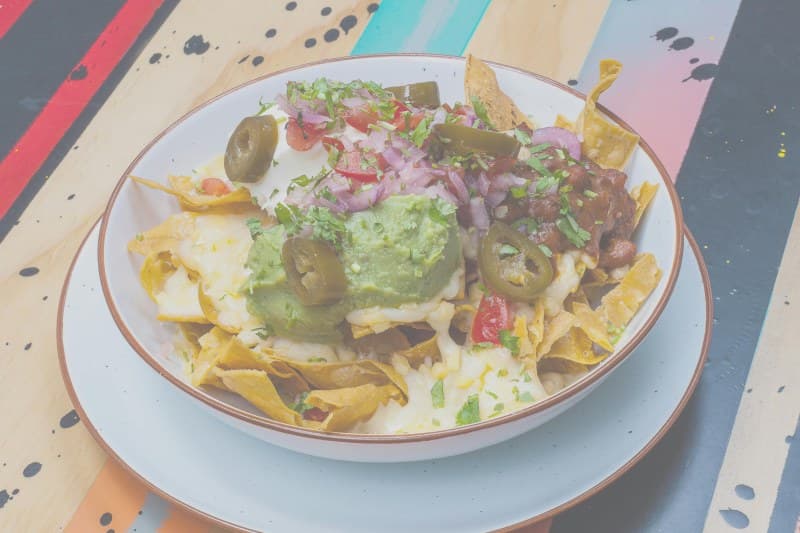
Last month, I spent 20 minutes mashing ripe avocados, tossing in cilantro, lime, and a pinch of salt for my friends’ soccer watch party. I set the bowl on the table, grabbed a soda, and by the time the first goal was scored, the top layer was a sad, murky brown. My friend laughed and said, “You should’ve left the pit in!” But does that actually work? Let’s break it down.
Why Guac Turns Brown (The Science Bit)
It all comes down to oxidation. Avocados have an enzyme called polyphenol oxidase. When you cut or mash the fruit, this enzyme meets oxygen in the air, triggering a chemical reaction that produces melanin—the same stuff that makes apples turn brown. The more surface area exposed, the faster it browns.
7 Easy Fixes to Keep Guac Green
These tricks target the oxygen-enzyme reaction, slowing it down so your guac stays fresh longer:
- Drizzle with citrus juice: The acid in lemon or lime juice denatures the oxidizing enzyme. Add 1 tsp per avocado—enough to coat the surface without making it too tangy.
- Leave the pit in: The pit creates a physical barrier, blocking oxygen from the area it covers. Pro tip: Cover the rest of the guac with plastic wrap for full protection.
- Tight plastic wrap: Press the wrap directly onto the guac’s surface to eliminate air pockets. No air = no oxidation.
- Layer of olive oil: A thin layer of oil floats on top, sealing out oxygen. Wipe it off with a paper towel before serving.
- Onion slices: Onions release sulfur compounds that slow oxidation. Place a few thin slices on top of the guac, then wrap.
- Airtight container with flat lid: Use a container where the lid presses down on the guac, pushing out excess air. Glass containers work best.
- Freeze it: For long-term storage, portion guac into small containers, add a layer of citrus juice, and freeze. Thaw in the fridge overnight— it’ll taste almost fresh!
To help you pick the right fix for your situation, here’s a quick comparison:
| Fix | Effectiveness (1-5) | Ease of Use (1-5) | Taste Impact |
|---|---|---|---|
| Citrus Juice | 4 | 5 | Mild tang (enhances flavor) |
| Plastic Wrap | 3 | 5 | None |
| Pit + Wrap | 4 | 4 | None |
| Olive Oil | 5 | 4 | Subtle richness |
“Cooking is about passion, so it may look slightly different each time.” — Julia Child
While Julia wasn’t talking about guac browning, her words remind us that small, intentional tweaks (like adding a splash of lime) can save our favorite dishes from going bad.
Real-Life Tip from a Pro
My neighbor Doña Maria, who’s been making guac for 40 years, swears by the olive oil trick. She told me, “Back in Oaxaca, we’d make big batches for fiestas. A thin layer of oil kept the guac green for hours—even in the sun. Just don’t forget to wipe it off before serving!” I tried it last week, and sure enough, my guac stayed bright green for 3 hours at a picnic.
FAQ: Common Guac Browning Questions
Q: Can I use vinegar instead of citrus juice?
A: Yes, but vinegar has a stronger taste. If you use it, opt for white vinegar and only 1/4 tsp per avocado to avoid overpowering the guac.
Q: Does storing guac in the fridge help?
A: Yes! Cold temperatures slow down the oxidizing enzyme. Combine fridge storage with one of the fixes above for best results.
Next time you make guac, try one of these tricks. Your friends (and your taste buds) will thank you!