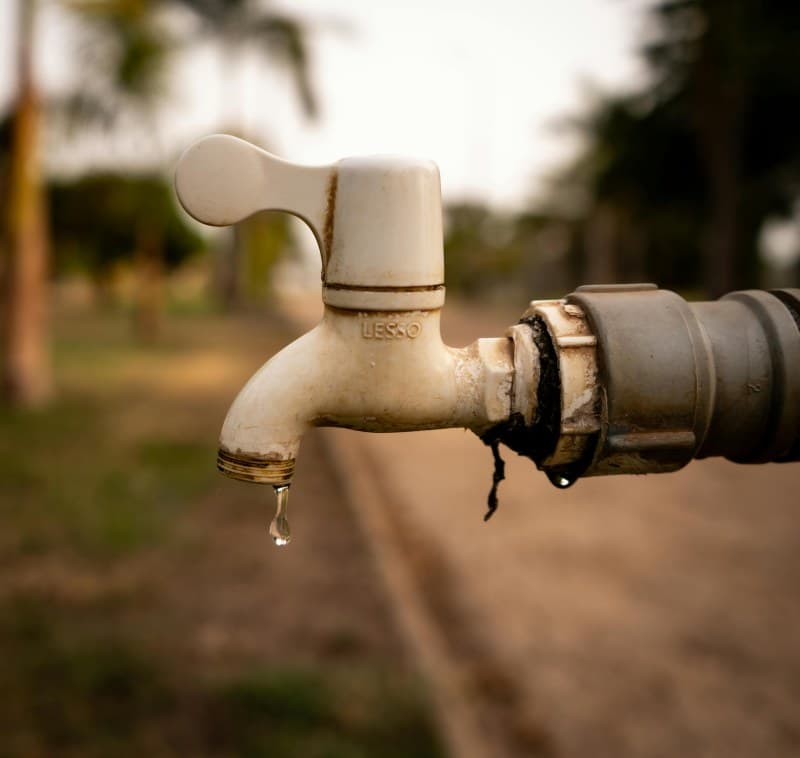
Last month, I woke up at 2 a.m. to the rhythmic ‘drip-drip-drip’ of my bathroom faucet. I jiggled the handle, tightened it as hard as I could, but the sound persisted. By the time I fixed it a day later, I’d wasted over 10 gallons of water (and lost a night’s sleep). Leaky faucets are tiny nuisances that add up—both to your water bill and your sanity.
Why Do Faucets Leak? 5 Common Causes
Most leaks stem from worn or damaged parts. Here’s a breakdown of the most frequent culprits, what to look for, and the tools you’ll need:
| Cause | Sign | Tools Needed |
|---|---|---|
| Worn-out washer | Steady drip from spout; handle feels loose | Adjustable wrench, replacement washer |
| Corroded valve seat | Drip persists after washer replacement | Valve seat wrench, replacement seat |
| Loose O-ring | Drip from base of handle | Screwdriver, new O-ring |
| Broken cartridge | Water won’t shut off fully; handle sticks | Cartridge puller, new cartridge |
| Misaligned spout joint | Leak around where spout connects to base | Adjustable wrench, Teflon tape |
Quick DIY Fixes for Each Leak Type
You don’t need to be a plumber to fix most leaks. Let’s walk through the easiest ones:
Worn-out Washer
1. Turn off the water supply under the sink.
2. Remove the handle (use a screwdriver if there’s a cover).
3. Unscrew the stem and replace the old washer with a new one.
4. Reassemble and turn the water back on.
Loose O-ring
1. Turn off water supply.
2. Remove the handle and stem.
3. Slide off the old O-ring and replace it with a matching size.
4. Reassemble and test.
My neighbor Sarah ignored a small O-ring leak for weeks. One day, the O-ring snapped, and water gushed from the handle base—she had to call a plumber, which cost her $150. If she’d fixed it early, it would’ve taken 10 minutes and $2.
“A stitch in time saves nine.” – English Proverb
This old saying hits home for leaky faucets. A tiny fix now prevents a costly problem later (and tons of wasted water).
Prevention Tips to Keep Faucets Drip-Free
- Don’t over-tighten handles—this wears out washers faster.
- Clean aerators every 3 months to prevent clogs that strain parts.
- Replace washers every 2-3 years (even if no leak yet).
- Use Teflon tape on threads when reassembling to seal gaps.
- Check water pressure (high pressure can damage valves; aim for 40-60 PSI).
FAQ: Your Leaky Faucet Questions Answered
Q: Do I need a plumber for every leak?
A: No! Most leaks (like worn washers or O-rings) are easy to fix with basic tools. Save the plumber for complex issues like corroded valve seats or broken pipes that require special equipment.
Q: How much water does a leaky faucet waste?
A: A slow drip (one drop per second) wastes up to 30 gallons per day—over 10,000 gallons a year! That’s enough to fill a small swimming pool or water your garden for months.