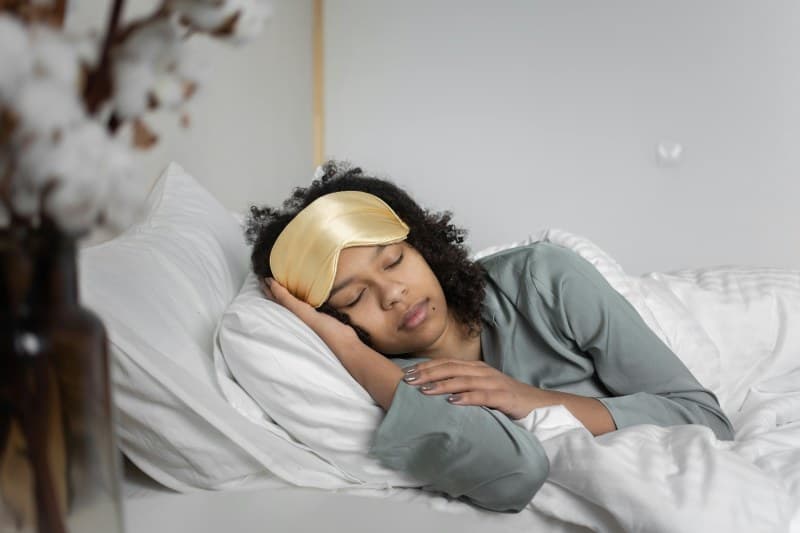
Last week, my friend Lila texted me panicking: she’d only slept 6.5 hours the night before and was convinced she’d ruin her productivity and health. Like many people, she’d bought into the idea that 8 hours is non-negotiable. But is that really true?
The truth about the 8-hour sleep rule
The 8-hour guideline isn’t a one-size-fits-all mandate. The National Sleep Foundation recommends 7-9 hours for adults 18-64, and 7-8 for those 65+. Some people (called short sleepers) thrive on 6 hours, while others need 9. What matters most is sleep quality—deep, uninterrupted rest—over strict quantity.
5 common sleep myths debunked
Let’s break down the most persistent sleep misconceptions and set the record straight:
| Myth | Fact |
|---|---|
| You need exactly 8 hours of sleep nightly. | Adults need 7-9 hours; individual needs vary based on genetics and lifestyle. |
| Catching up on weekends fixes sleep debt. | Occasional catch-up sleep helps, but regular inconsistency disrupts your circadian rhythm. |
| Snoring is harmless. | Loud, frequent snoring may signal sleep apnea, a serious condition that affects breathing. |
| Alcohol helps you sleep better. | Alcohol suppresses deep sleep and causes frequent nighttime awakenings. |
| Waking up at night is always a problem. | Short awakenings (under 5 minutes) are normal; it’s prolonged wakefulness that’s a concern. |
Wisdom from the past (with a modern twist)
“Early to bed and early to rise makes a man healthy, wealthy, and wise.” — Benjamin Franklin
Franklin’s advice has stood the test of time, but it’s not universal. Night owls (people with a delayed circadian rhythm) function better with later sleep times. The key is to align your sleep schedule with your natural body clock, not a rigid rule.
A real-life example: Lila’s sleep breakthrough
After our chat, Lila started tracking her sleep with a simple journal. She noticed that on nights she slept 7 hours (her natural wake-up time), she felt more alert than when she forced herself to stay in bed for 8. She adjusted her schedule to go to bed at 11 PM and wake up at 6 AM—no more tossing and turning. Within a week, her productivity and mood improved.
FAQ: Your sleep questions answered
Q: Can I make up for lost sleep on weekends?
A: While a 1-2 hour extra sleep on weekends can help recover from a busy week, sleeping in for 3+ hours disrupts your circadian rhythm. It’s better to stick to a consistent sleep schedule (within 30 minutes) every day.
Simple tips for better sleep
- Stick to a consistent sleep/wake time (even on weekends).
- Avoid screens 1 hour before bed (blue light suppresses melatonin).
- Create a calm pre-sleep routine (reading, gentle stretching, or warm tea).
- Keep your bedroom cool (60-67°F/15-19°C) and dark.
Remember: Sleep is personal. Listen to your body, and don’t stress over hitting an arbitrary number. What matters is how you feel when you wake up.