Mia used to dread getting up from her desk—her lower back ached so bad she’d have to stretch for five minutes before moving. She tried crunches every night but saw no change. Then a trainer told her: core strength isn’t just about abs. She swapped crunches for planks and bird-dogs, and two weeks later, her back pain was gone. If you’ve ever wondered what core strength really is (and why it matters), you’re in the right place.
What Is Core Strength, Anyway? 💪
Your core isn’t just your six-pack. It’s a group of muscles that wrap around your midsection: the rectus abdominis (abs), obliques (sides), transverse abdominis (deep belly), lower back muscles, and even your pelvic floor. These muscles work together to stabilize your spine, support your posture, and power almost every movement you make—from bending to pick up a pen to running a marathon.
5 Core Strength Myths (And The Truth)
Let’s bust some common myths about core training:
| Myth | Fact |
|---|---|
| Core strength = six-pack abs | Six-packs are a cosmetic result of low body fat. Core strength is about functional stability—think: not straining your back when lifting groceries. |
| Crunches are the best core exercise | Crunches only target the surface abs. Functional moves like planks or dead bugs work more core muscles at once. |
| You need fancy equipment | Bodyweight exercises (planks, bird-dogs, mountain climbers) are enough for most people. No weights or machines required! |
| More reps = stronger core | Form is key. A 30-second plank with good form is better than 100 crunches with a rounded back. |
| Core work is only for athletes | Everyone benefits—whether you’re a stay-at-home parent, office worker, or weekend hiker. A strong core reduces back pain and improves balance. |
How Core Strength Makes Daily Life Easier
You use your core every single day. For example:
- Carrying a heavy grocery bag? Your core stabilizes your spine so you don’t hurt your back.
- Sitting at your desk for hours? A strong core keeps your posture straight, preventing slouching.
- Playing with your kids? Bending down to pick them up or chasing them around requires core power.
Practical Tips For Building Your Core
Beginner Level
Start with these simple moves (3 sets of 10-15 reps each):
- Dead bugs: Lie on your back, extend arms and legs, then lower opposite arm and leg (keep your lower back pressed to the floor).
- Glute bridges: Lie on your back, knees bent, lift your hips until your body forms a straight line.
Intermediate Level
Add these to your routine:
- Plank: Hold for 20-30 seconds (keep your body straight from head to heels).
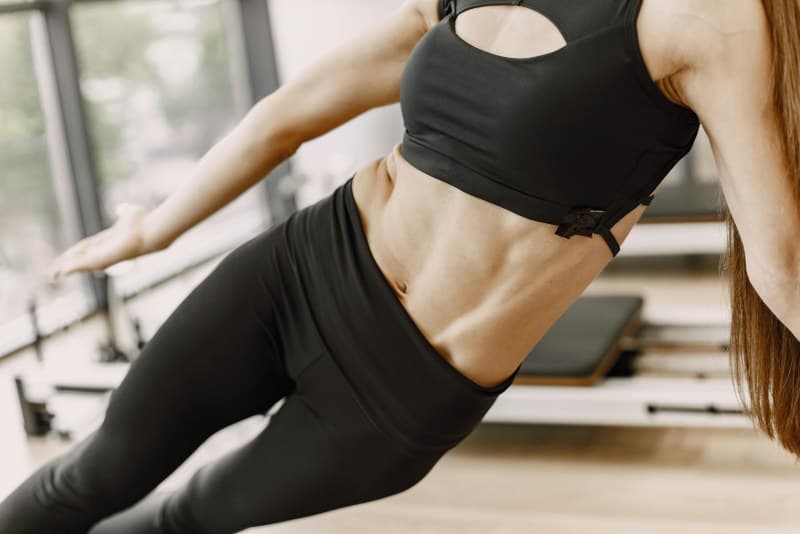
- Side planks: Hold for 15 seconds per side.
Advanced Level
Challenge yourself with:
- Russian twists (with a light weight if you want).
- Hollow body holds: Lie on your back, lift legs and upper body off the floor, hold for 15-20 seconds.
“A strong core is the foundation of all movement.” — Joseph Pilates
This quote sums it up: without a strong core, every other exercise or daily activity becomes harder. Pilates, the founder of the Pilates method, knew that core strength is the key to overall fitness.
Quick Q&A: Your Core Questions Answered
Q: Do I need to do core exercises every day?
A: No! 3-4 times a week is perfect. Your core muscles need rest just like any other muscle group. Focus on quality over frequency—even 10 minutes a day can make a difference.