Last week, I tried to sauté bell peppers in extra virgin olive oil over high heat. Within minutes, the pan billowed smoke, the peppers tasted bitter, and my kitchen smelled like burnt rubber. I thought I’d ruined the dish—until I realized I’d ignored the oil’s smoke point. Let’s break down this critical cooking concept so you don’t make the same mistake.
What Is a Smoke Point, Anyway?
A smoke point is the temperature at which an oil starts to smoke and decompose. When oil hits this temp, it releases harmful free radicals, loses nutritional value, and develops off-flavors. Choosing the right oil for your cooking method isn’t just about taste—it’s about safety and preserving nutrients.
Common Oils: Smoke Points & Best Uses
Here’s a quick guide to some popular oils and their ideal uses:
| Oil Type | Smoke Point (°F) | Best Uses |
|---|---|---|
| Extra Virgin Olive Oil | 375 | Drizzling, low-heat sauté, salad dressings |
| Canola Oil | 400 | Medium-heat sauté, baking, roasting |
| Avocado Oil | 520 | High-heat frying, searing, grilling |
| Coconut Oil (refined) | 350 | Baking, stir-fries, low-heat cooking |
| Sesame Oil (toasted) | 410 | Finishing dishes, stir-fries, marinades |
2 Key Smoke Point Myths Debunked
Myth 1: Higher smoke point = healthier oil
Many people swap olive oil for avocado oil thinking it’s “healthier” because of its higher smoke point. But extra virgin olive oil is packed with antioxidants like oleocanthal, which fight inflammation—just don’t use it for high-heat cooking. Health depends on the oil’s fatty acid profile and processing, not just smoke point.
Myth 2: Once oil smokes, it’s useless
If your oil smokes briefly (like my olive oil incident), you can still use it for lower-heat tasks (e.g., dressing a salad). But if it turns dark or smells burnt, toss it—reusing burnt oil repeatedly can create harmful compounds. Limit reuse to 1-2 times for oils that haven’t overheated.
Julia Child once said, “Cooking is about passion, so it may look slightly temperamental in a way that science can't always explain.” But when it comes to smoke points, science does explain—knowing them helps you avoid those temperamental moments (like my burnt peppers).
Quick Q&A
Q: Can I mix oils to get a higher smoke point?
A: Yes! For example, mixing 1 part extra virgin olive oil (375°F) with 2 parts avocado oil (520°F) gives you an oil that works for medium-high heat and has the flavor of olive oil. Just remember: the mix’s smoke point is the lowest one in the blend.
Pro Tips to Master Smoke Points
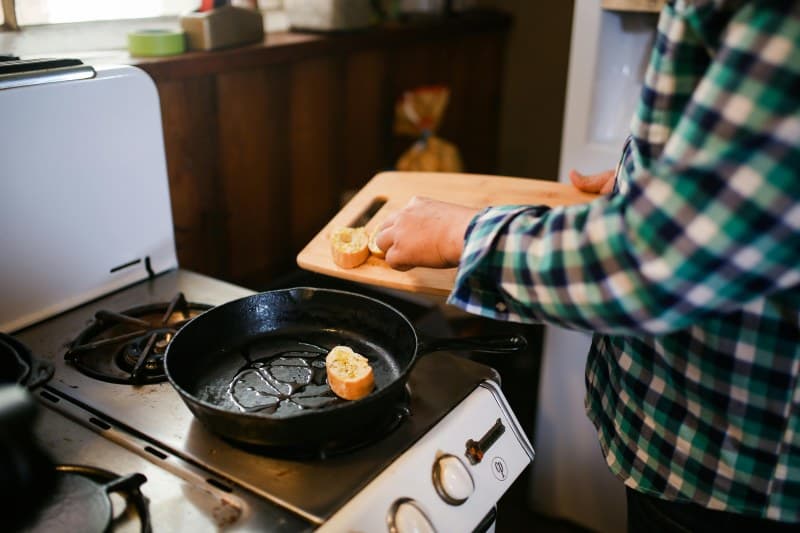
- Test oil temp: Drop a small piece of bread into the pan. If it browns in 30 seconds, it’s medium heat (great for sauté). If it burns instantly, turn down the heat.
- Store oils properly: Keep them in a cool, dark place (like a pantry) to preserve their smoke points—light and heat break down oils over time.
- Avoid overheating: Start with low heat and increase gradually to prevent smoking.
Next time you’re in the kitchen, take a second to check your oil’s smoke point. It’ll save you from burnt dishes and ensure your meals are both tasty and healthy.