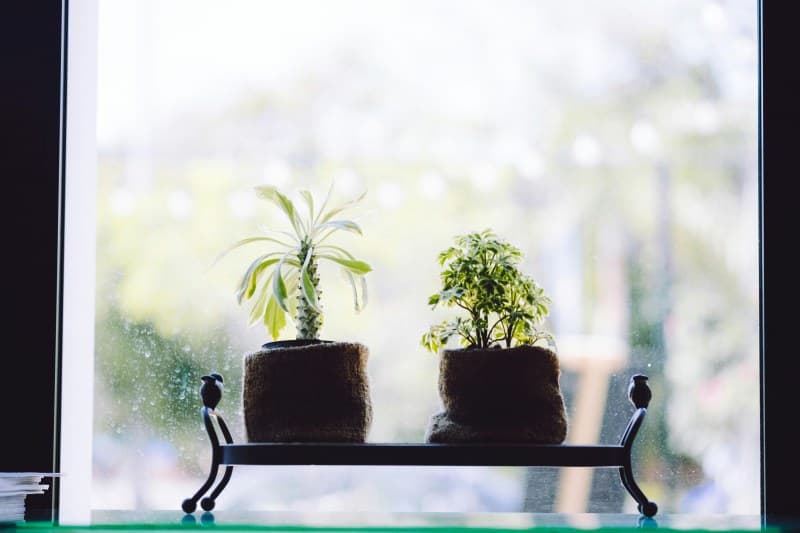
Last year, my friend Sarah brought home a lush snake plant, excited to add some green to her apartment. She placed it on her south-facing windowsill—thinking more sun meant a happier plant. A month later, the leaves turned yellow and crispy, and she sighed, calling herself a 'plant killer.' But the real problem wasn’t her green thumb; it was a myth: that all houseplants need direct sunlight to thrive.
The Truth About Houseplant Light Needs
Not all plants crave the same light. Most common houseplants evolved in forest understories, where sunlight filters through trees—so they prefer bright indirect light (light that hits the plant without the sun’s rays touching it directly). Others, like snake plants or ZZ plants, thrive in low light (a few feet away from a window). Only a handful, like some cacti, need direct sun for hours daily.
5 Common Houseplant Sunlight Myths Debunked
Myth 1: All houseplants need direct sunlight
False. Think of pothos: it grows well in medium to low light, even in corners. Direct sun can burn its leaves. The key is matching the plant to your space.
Myth 2: Low-light plants don’t need any light
False. Low-light plants (like ZZ plants) still need some light—just not bright. A room with a north-facing window or a spot 5-10 feet from a south window works. No light at all? They’ll stop growing.
Myth3: Succulents must be in direct sun all day
False. Many succulents (like echeverias) get sunburned if exposed to direct midday sun. They prefer bright indirect light or morning sun (which is gentler).
Myth4: You can’t grow plants in a room without windows
False. LED grow lights are a game-changer. They provide the right spectrum for growth, and you can adjust the duration (12-14 hours a day for most plants).
Myth5: More light = faster growth
False. Too much light stresses plants, leading to stunted growth or leaf damage. It’s like overfeeding—balance is key.
Sunlight Needs for Common Houseplants
Here’s a quick guide to help you pick the right plant for your space:
| Plant Name | Light Need | Ideal Placement |
|---|---|---|
| Snake Plant | Low to medium | Corner of a room, 5ft from window |
| Pothos | Medium to bright indirect | Side table near a east-facing window |
| Echeveria (Succulent) | Bright indirect or morning sun | West-facing window (morning sun only) |
| ZZ Plant | Low | Hallway with no direct window |
| Monstera | Bright indirect | South-facing window with a sheer curtain |
Wisdom from the Ages
The best time to plant a tree was 20 years ago. The second best time is now. — Chinese Proverb
This applies to houseplants too. Even if you’ve killed plants before, choosing the right one for your light conditions is the first step to success. Sarah now has her snake plant in a low-light corner, and it’s thriving.
FAQ: How Do I Know If My Plant Is Getting the Wrong Light?
Q: What are the signs my plant is getting too much or too little light?
A: Too much sun: Yellow or brown crispy leaf edges, bleached spots on leaves. Too little sun: Leggy growth (long, thin stems stretching toward light), small new leaves, no new growth for months.
Remember: Houseplants are adaptable, but they need the right light to thrive. Next time you pick a plant, check its light needs first—your green thumb will thank you.