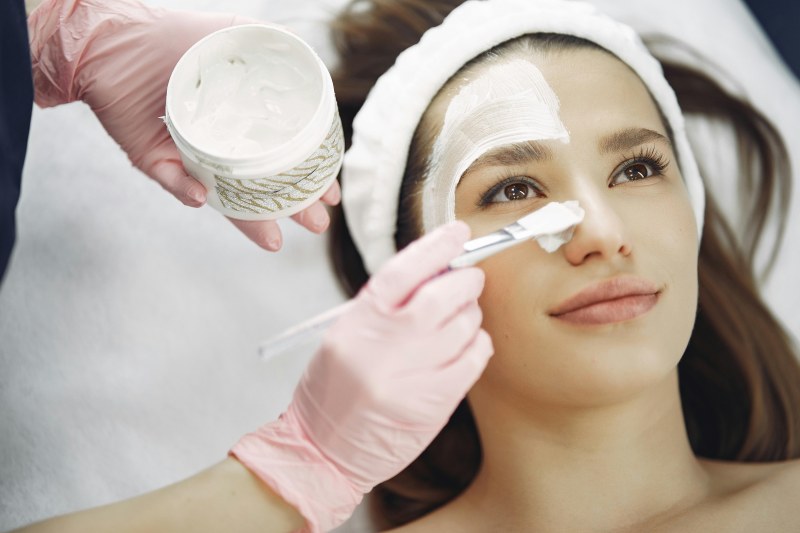
When Sarah first heard about facial oils, she immediately shook her head. As someone with oily, acne-prone skin, the idea of slathering more oil on her face felt like a recipe for disaster. For years, she avoided them entirely—until her esthetician suggested trying jojoba oil. Within a month, her breakouts decreased, and her skin felt balanced, not greasy. Sarah’s story is common: many of us buy into myths about facial oils without knowing the truth.
Is it true facial oils cause acne?
The short answer: No, not all facial oils cause acne. The key lies in the oil’s comedogenic rating—a scale from 0 (non-comedogenic, won’t clog pores) to 5 (highly likely to clog pores). Oils like jojoba (rating 0) or tea tree (rating 1) are safe for most acne-prone skin, while coconut oil (rating 4-5) may trigger breakouts in some people.
7 Common Facial Oil Myths Debunked
- Myth 1: All facial oils cause acne. Truth: Only oils with high comedogenic ratings (3+) are likely to clog pores. Non-comedogenic oils can actually regulate sebum production.
- Myth 2: Oily skin doesn’t need more oil. Truth: Oily skin often overproduces sebum because it’s dehydrated. Adding the right oil can signal to your skin to stop overproducing.
- Myth 3: Facial oils are only for dry skin. Truth: Oily, combination, and sensitive skin types can benefit too—just pick the right oil.
- Myth 4: Thicker oils are better for hydration. Truth: Thickness doesn’t equal hydration. Light oils like rosehip can penetrate deeply, while thick oils like castor may sit on the surface.
- Myth 5: You can’t mix oils with other products. Truth: Oils work well with moisturizers, serums, and even sunscreen. Apply oil last to lock in moisture.
- Myth 6: Natural oils are always safe. Truth: Natural doesn’t mean non-irritating. For example, essential oils like lavender can cause sensitivity if not diluted.
- Myth 7: More oil = more hydration. Truth: A little goes a long way. 1-2 drops are enough for most faces—using too much can lead to greasiness.
Which Facial Oil Is Right For You?
Here’s a quick comparison of popular oils to help you choose:
| Oil Name | Comedogenic Rating | Best For Skin Type | Key Benefit |
|---|---|---|---|
| Jojoba | 0 | Oily, acne-prone, combination | Mimics skin’s natural sebum; regulates oil production |
| Argan | 0 | Dry, mature, sensitive | Rich in vitamin E; reduces fine lines |
| Tea Tree | 1 | Acne-prone, oily | Antibacterial; reduces inflammation |
| Rosehip | 1 | All skin types (especially dull) | High in antioxidants; brightens skin |
| Coconut | 4-5 | Dry, normal (avoid if acne-prone) | Deeply moisturizing; antibacterial |
Wisdom From The Experts (And A Classic Quote)
“Balance is the secret of all beauty.” — Christian Dior
This quote rings true for skincare. Facial oils aren’t about adding more oil—they’re about balancing your skin’s natural rhythm. Sarah’s story is a perfect example: by adding jojoba oil to her routine, she balanced her overactive sebum glands and reduced breakouts.
FAQ: Your Facial Oil Questions Answered
Q: I have acne-prone skin—can I still use facial oils?
A: Yes! Opt for non-comedogenic oils like jojoba or tea tree. Start with a small amount (1-2 drops) mixed with your moisturizer. If you notice breakouts, switch to a different oil or reduce the amount.
Q: When should I apply facial oil in my skincare routine?
A: Apply oil after your serum and moisturizer. Oils have a thicker consistency, so they lock in the products underneath.
Facial oils don’t have to be scary. By understanding the myths and choosing the right oil for your skin type, you can unlock their benefits—whether you have dry, oily, or acne-prone skin. Give them a try; you might be surprised, like Sarah, at how much your skin loves them.