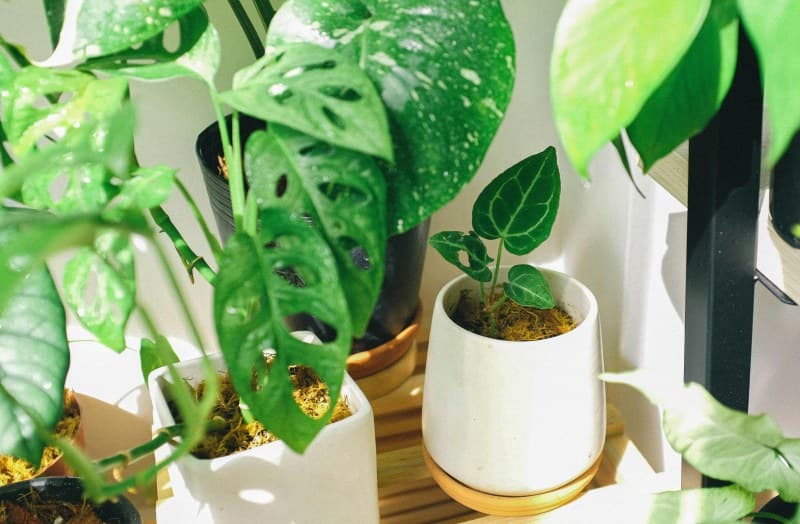
Last spring, I tried to propagate my pothos by sticking a cutting in a mason jar and forgetting about it. A week later, the leaves turned yellow and mushy—total failure. I thought I was a plant killer until I realized there’s no one-size-fits-all method. Today, I have three thriving pothos babies and a spider plant cluster, all from cuttings. Let’s break down the 6 key propagation methods so you can expand your collection too.
6 Propagation Methods: Which Works for Your Plant?
Not every plant responds to the same propagation technique. Here’s a quick comparison to help you pick:
| Method | Difficulty | Best Plants | Pros | Cons |
|---|---|---|---|---|
| Water Propagation | Easy | Pothos, Spider Plant, Monstera | Monitor roots easily; no soil mess | Risk of rot if water isn’t changed weekly |
| Soil Propagation | Medium | Snake Plant, ZZ Plant, Succulents | Roots adapt quickly to soil; less transplant shock | Hard to see root growth; overwatering risk |
| Sphagnum Moss | Medium | Orchids, Philodendron, Anthurium | Retains moisture; ideal for delicate roots | Needs regular misting; can get moldy |
| Air Layering | Advanced | Ficus, Rubber Tree, Dumb Cane | High success for woody plants; no cutting needed | Takes 4-6 weeks; requires patience |
| Division | Easy | Peace Lily, Pothos Clumps, Ferns | Instant new plant; minimal wait time | Requires mature, clumping plants |
| Leaf Cuttings | Easy | Succulents, African Violet, Jade Plant | Uses small leaf parts; great for beginners | Slow growth; some leaves won’t root |
Why Propagation Is Worth the Effort
Propagation isn’t just about saving money—it’s about connecting with your plants. Watching a tiny cutting grow roots feels like magic. A classic proverb sums it up:
“The best time to plant a tree was 20 years ago. The second best time is now.” — Chinese Proverb
This applies to propagation too. You don’t need a green thumb to start today. Even a single leaf from a succulent can turn into a new plant with a little care.
Small Space Hacks for Propagation
Don’t let a tiny apartment stop you. Try these tips:
- Use small glass jars or egg cups for water propagation—they fit on windowsills.
- Hang cuttings in macramé holders to save counter space.
- Cover soil cuttings with a plastic bag (poke holes for air) to create a mini greenhouse.
Common Q&A: Your Propagation Questions Answered
Q: How long does it take for cuttings to root?
A: It varies! Water-propagated pothos roots in 2-4 weeks, while succulent leaf cuttings might take 4-6 weeks. Be patient—root growth is slow at first, but it’s worth the wait.
Q: Do I need special tools to propagate?
A: No! All you need is a sharp pair of scissors (cleaned with rubbing alcohol), a container, and either water, soil, or moss. For air layering, you might need some twine and plastic wrap, but that’s it.
Final Tip: Start Small
Pick one method and one plant to try first. My first successful propagation was a spider plant cutting in water. I changed the water every week and kept it near a window. After 3 weeks, tiny roots sprouted—and I was hooked. Now, I propagate everything from my snake plant to my philodendron. You can too!