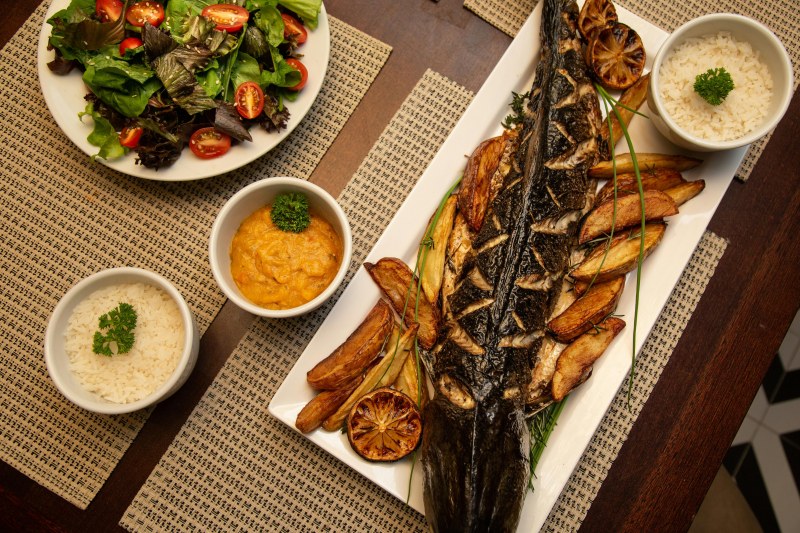
Last week, I was in a rush to make dinner and left my chicken breast on the stove a few minutes too long. It came out tough, dry, and totally unappetizing—until I remembered a trick I’d read: shred it, toss with taco seasoning, and wrap it in warm tortillas. Suddenly, that mistake turned into a delicious meal. We’ve all been there: overcooked steak, mushy rice, undercooked potatoes. But the good news is, most kitchen mishaps have easy fixes. Here are 7 quick ways to rescue your overcooked or undercooked meals, plus pro tips to avoid them next time.
7 Quick Fixes for Common Cooking Mishaps 🍳
1. Overcooked Steak: Slice Thin & Add Moisture
If your steak is tough and dry, don’t throw it away. Slice it as thin as possible against the grain (this breaks down the tough muscle fibers). Drizzle with warm butter mixed with garlic and herbs, or spoon on a rich sauce like béarnaise or mushroom gravy. The moisture will rehydrate the meat, and the thin slices make it easier to eat.
2. Undercooked Rice: Add Water & Simmer
Undercooked rice is crunchy and unpalatable. Add a splash of water (about 2 tablespoons per cup of rice) to the pot, cover it tightly, and simmer on low heat for 5-10 minutes. The steam will finish cooking the grains without making them mushy.
3. Overcooked Pasta: Repurpose It
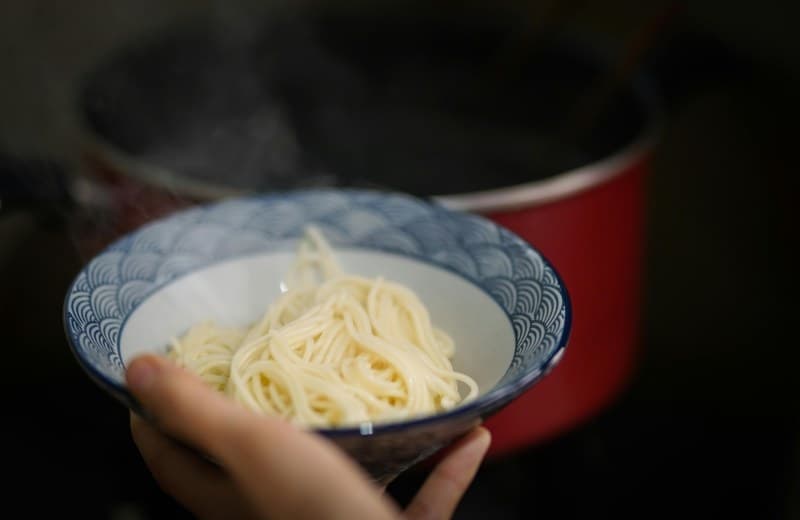
Overcooked pasta is mushy, but it’s still usable. Toss it with olive oil and parmesan to add flavor, or use it in a soup (the broth will absorb the excess starch). You can also turn it into a pasta salad with veggies and dressing—cold temperatures help mask the mushy texture.
4. Undercooked Chicken: Finish It Safely
Undercooked chicken is a food safety risk, so don’t eat it raw. Slice the chicken into thin pieces and pan-sear it for 1-2 minutes per side, or bake it in the oven at 350°F for 5-10 minutes until the internal temperature reaches 165°F.
5. Overcooked Veggies: Blend or Toss
Overcooked veggies are soggy, but they can be transformed. Blend them into a creamy soup or pesto, or toss them with lemon juice and fresh herbs to add brightness. For leafy greens like spinach, sauté them with garlic and a pinch of red pepper flakes to give them new life.
6. Undercooked Potatoes: Microwave or Roast
Undercooked potatoes are hard and starchy. For boiled potatoes, microwave them with a damp paper towel for 2-3 minutes. For roasted potatoes, put them back in the oven at 400°F for 10-15 minutes until they’re crispy on the outside and soft inside.
7. Overcooked Eggs: Turn Into Something New
Overcooked eggs are dry and crumbly. Turn them into deviled eggs (mix with mayo and mustard) or egg salad (add celery and pickles). You can also chop them and use them in a frittata or quiche—cooking them again with other ingredients will add moisture.
Reference Table: Avoid Mishaps Next Time
Here’s a quick guide to common foods, their ideal doneness, and rescue fixes:
| Food | Ideal Doneness Sign | Rescue Fix |
|---|---|---|
| Steak (medium-rare) | Internal temp 135°F, pink center | Slice thin + butter/herb sauce (overcooked); sear 1-2 mins (undercooked) |
| White Rice | Fluffy, separate grains | Blend into porridge (overcooked); add water + simmer (undercooked) |
| Chicken Breast | Internal temp 165°F, no pink | Shred + taco seasoning (overcooked); pan-sear/bake (undercooked) |
| Pasta | Al dente (slightly firm) | Toss with olive oil (overcooked); boil 1-2 mins (undercooked) |
“The only real mistake is the one from which we learn nothing.” — Julia Child
Julia Child knew that cooking is all about trial and error. Every time you rescue a meal, you’re learning a new skill that will make you a better cook. Don’t be afraid to experiment—some of the best dishes come from mistakes!
Quick Q&A: Common Rescue Questions
Q: Can I fix overcooked fish?
A: Yes! Flake the overcooked fish into small pieces and use it in fish cakes (mix with breadcrumbs and egg), chowder, or even as a spread on toast with cream cheese and dill. The flaky texture works well in these dishes, and the added ingredients mask the dryness.
Pro Tips to Prevent Mishaps
- Use a meat thermometer: This is the most reliable way to check doneness for meats and poultry.
- Set a timer: Even experienced cooks forget to check the stove—set a timer for every dish.
- Taste as you go: For veggies and pasta, taste periodically to avoid overcooking.
- Use the right pan: A heavy-bottomed pan distributes heat evenly, preventing hot spots that cause overcooking.
Cooking mistakes are part of the process. Instead of getting frustrated, think of them as opportunities to get creative. With these fixes, you can turn almost any mishap into a tasty meal. Happy cooking!