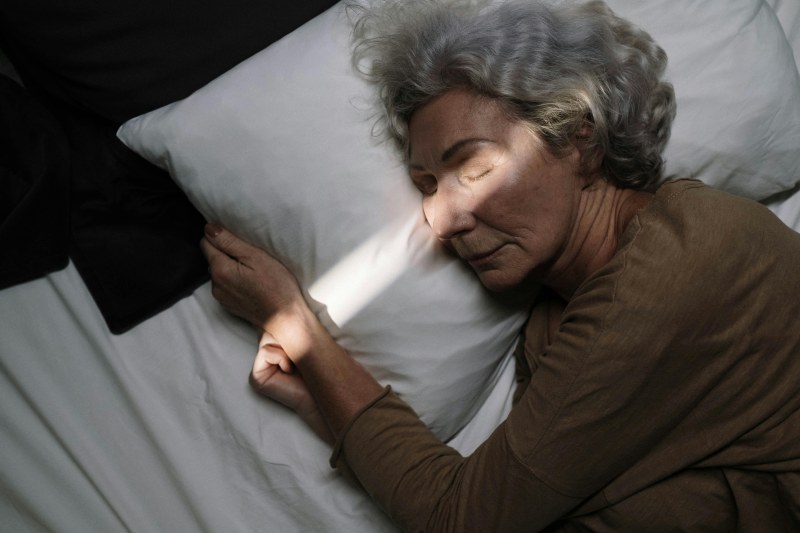
Last week, my friend Lila told me she’d been hitting the hay at 10 PM and waking up at 6 AM every day—perfect 8-hour sleep, right? But she still felt like she’d pulled an all-nighter. She cut coffee after 2 PM, exercised 3 times a week, and yet her afternoons were filled with yawns and a craving for a nap. If this sounds like you, you’re not alone. Let’s break down the 5 key reasons you might be waking up tired, plus simple fixes to turn things around.
1. Poor Sleep Quality (Not Just Quantity)
You can clock 8 hours, but if most of that time is spent in light sleep, your body won’t get the repair it needs. Deep sleep (the stage where muscles recover and hormones balance) and REM sleep (for memory and mood) are critical. Even small disruptions—like a partner’s snoring or a phone notification—can pull you out of these stages without you noticing.
2. Undiagnosed Mild Sleep Apnea
Sleep apnea isn’t just for people who snore loudly. Mild cases cause you to stop breathing for short moments (10 seconds or more) throughout the night. Each pause jolts you awake slightly, breaking your sleep cycle. Lila realized she had this after her partner mentioned her snoring was accompanied by gasps—using a nasal strip helped reduce the pauses and improved her morning energy.
3. Irregular Sleep Schedule
Staying up late on weekends and sleeping in can throw off your circadian rhythm (your body’s internal clock). This “social jetlag” makes it harder to fall asleep on Sunday nights and wake up on Monday mornings. Even a 1-2 hour difference can leave you feeling groggy all week.
4. Dehydration Before Bed
Dehydration affects every part of your body, including sleep. If you don’t drink enough water during the day, your body may wake you up in the night (to use the bathroom or because of dry throat). On the flip side, drinking too much right before bed can also disrupt sleep—so balance is key.
5. Unresolved Stress or Anxiety
Racing thoughts about work, family, or to-do lists can keep you in light sleep. Even if you fall asleep quickly, stress hormones like cortisol can prevent you from entering deep sleep. This leaves you feeling drained, even after 8 hours.
Quick Fixes at a Glance
Here’s a comparison of the 5 reasons and their simple solutions:
| Reason | What It Does | Simple Fix |
|---|---|---|
| Poor Sleep Quality | Disrupts deep/REM sleep | Keep your room dark (use blackout curtains) and cool (60-67°F/15-19°C) |
| Mild Sleep Apnea | Breathing pauses jolt you awake | Try nasal strips or sleep on your side (avoids tongue blocking airways) |
| Irregular Schedule | Throws off circadian rhythm | Stick to the same sleep/wake time even on weekends (within 30 mins) |
| Dehydration | Wakes you up for bathroom or dry throat | Drink enough water during the day; limit liquids 1 hour before bed |
| Stress/Anxiety | Prevents deep sleep | Try 5 minutes of journaling before bed to clear your mind |
“Early to bed and early to rise makes a man healthy, wealthy, and wise.” — Benjamin Franklin
Franklin’s advice is timeless, but it misses a key point: quality over quantity. Even if you follow a strict schedule, the 5 issues above can still leave you tired. It’s not just when you sleep—it’s how you sleep.
Common Question: Should I Sleep More to Fix This?
Q: I sleep 8 hours but still feel tired—should I add an extra hour or two?
A: Not necessarily. Adding more sleep won’t fix poor quality. Instead, focus on the fixes above (like improving your sleep environment or sticking to a schedule). If you still feel tired after making these changes, consider talking to a doctor to rule out underlying issues like anemia or thyroid problems.
Waking up refreshed doesn’t have to be a dream. Small, consistent changes to your sleep habits can make a big difference. Start with one fix this week—like keeping your room dark—and see how you feel. You’ve got this!