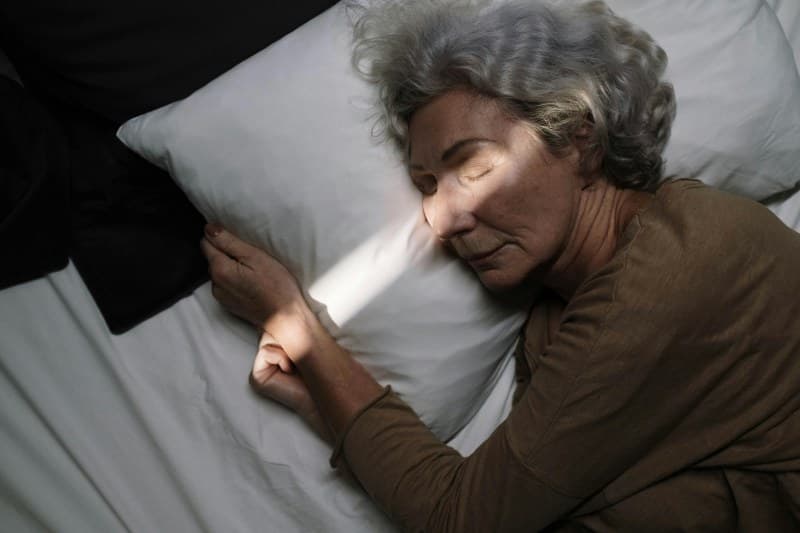
We’ve all been there: hitting the snooze button three times, chugging coffee just to stay awake by mid-morning, and wondering why we feel drained even after 8 hours of sleep. The secret to waking up energized isn’t always about sleeping more—it’s about sleeping smarter. Let’s dive into two key habits that can change your mornings, debunk some common myths, and give you practical tips to rest better.
Two Key Sleep Habits to Boost Morning Energy
These habits are backed by sleep science and easy to implement (once you build the routine).
1. Stick to a Consistent Sleep-Wake Schedule (Even on Weekends)
Your body’s internal clock (circadian rhythm) thrives on predictability. Going to bed and waking up at the same time every day—yes, even Saturdays—helps regulate this rhythm. When you shift your schedule by 2+ hours on weekends, you create "social jetlag," which leaves you feeling groggy on Monday mornings.
2. Add a Screen-Free Wind-Down Routine (30 Minutes Before Bed)
Blue light from phones, TVs, and laptops suppresses melatonin, the hormone that helps you fall asleep. Instead of scrolling, try reading a physical book, doing gentle stretches, or sipping herbal tea (like chamomile or lavender). This signals to your body that it’s time to wind down.
Here’s how these two habits compare:
| Habit | Effort Level | Time to See Results | Key Benefits |
|---|---|---|---|
| Consistent Sleep-Wake Cycle | Medium (discipline needed) | 1-2 weeks | Stable circadian rhythm, less morning grogginess, improved mood |
| Screen-Free Wind-Down | Low-Medium (depends on phone habits) | 3-5 nights | Deeper sleep, faster fall asleep time, reduced eye strain |
Debunking Common Sleep Myths
Myth: "I can catch up on sleep over the weekend."
While extra sleep on weekends might feel good, it doesn’t reverse the damage of a week’s worth of late nights. Social jetlag disrupts your circadian rhythm, making it harder to fall asleep on Sunday nights and wake up on Monday mornings. Instead, aim for a consistent schedule all week.
Myth: "More sleep = better energy."
Quality matters more than quantity. Sleeping 7 hours of deep, uninterrupted sleep is better than 9 hours of light, fragmented sleep. Factors like room temperature (60-67°F), dark curtains, and a comfortable mattress all affect sleep quality.
Real-Life Example: Sarah’s Morning Transformation
Sarah, a 32-year-old graphic designer, used to stay up till 1 AM scrolling through social media and wake up at 8 AM, hitting snooze twice. She was always tired by 3 PM. Then she tried the consistent sleep schedule: bed at 11 PM, wake at 7 AM. She also swapped her phone for a book 30 minutes before bed. After two weeks, she stopped hitting snooze and felt energized all day. "I used to think I needed more sleep, but it was just about being consistent," she said.
Benjamin Franklin once said, "Early to bed and early to rise makes a man healthy, wealthy, and wise." While the exact timing might not work for everyone (night owls, we see you!), the core message—consistency—is key to better sleep and energy.
FAQ: Your Sleep Questions Answered
Q: Can I drink coffee before bed if I need to finish a project?
A: Caffeine has a half-life of 6-8 hours, so drinking it after 2 PM can disrupt your deep sleep. If you must stay up, opt for decaf coffee or herbal tea like peppermint. Alternatively, take a 15-minute power nap earlier in the day to boost energy.
Small changes to your sleep habits can make a big difference in your morning energy. Try one habit first—like the screen-free wind-down—and see how you feel. Over time, you’ll wake up feeling refreshed and ready to take on the day.