Imagine this: Mia, a 16-year-old soccer forward, plays her heart out in a playoff game. She sprints, cuts, and kicks more than usual, and by the final whistle, she’s exhausted but elated. The next morning? She can barely climb the stairs. Her thighs ache so bad she winces when she sits down. Sound familiar? Post-game soreness isn’t just a nuisance—it’s a sign your body’s working hard to repair itself. But why does it linger longer some days? And how can you bounce back faster?
Why Post-Game Soreness Sticks Around
Most people blame lactic acid, but that’s a myth. Lactic acid fades within an hour or two after exercise. The real culprit is Delayed Onset Muscle Soreness (DOMS)—tiny micro-tears in your muscle fibers from pushing beyond your usual limits. Factors like not warming up properly, dehydration, or even poor sleep the night before can make DOMS worse and last longer.
Compare Common Recovery Methods
Not sure which recovery method works best for you? Here’s a quick breakdown:
| Method | Pros | Cons | Time Investment |
|---|---|---|---|
| Static Stretching | Improves flexibility, easy to do anywhere | May not target deep muscle tightness | 5-10 minutes |
| Foam Rolling | Breaks up fascia (connective tissue), reduces soreness | Can be painful on tight areas | 10-15 minutes |
| Ice Bath | Reduces inflammation, speeds recovery | Uncomfortable for many, not ideal for sensitive skin | 5-10 minutes |
7 Ways to Speed Up Recovery
You don’t need fancy equipment or expensive treatments to get back in the game. Try these simple tips:
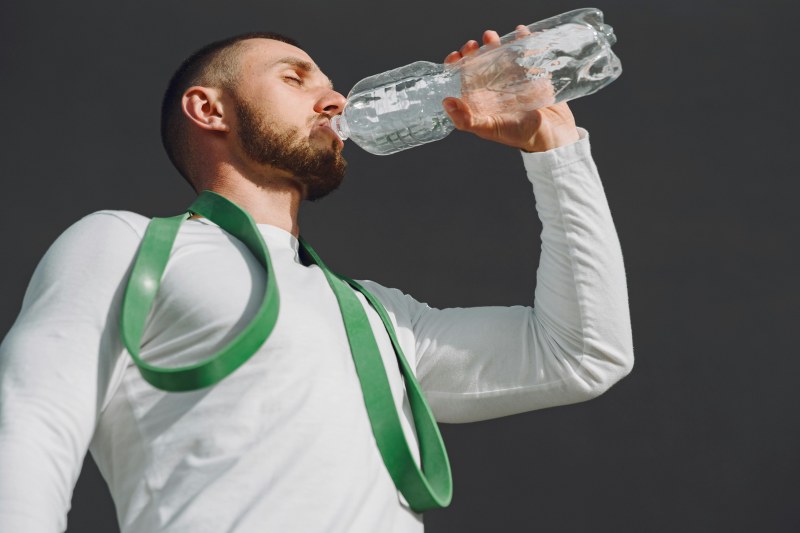
- Hydrate with electrolytes: Water alone isn’t enough—sweating depletes sodium and potassium. Drink a sports drink or add a pinch of salt to your water.
- Eat protein within 2 hours: Protein helps repair muscle fibers. Grab a chicken sandwich, Greek yogurt, or a protein shake.
- Do light movement: A short walk, yoga, or swimming keeps blood flowing without straining sore muscles.
- Foam roll sore areas: Focus on your thighs, calves, and back. Roll slowly and pause on tight spots for 30 seconds.
- Sleep 7-9 hours: Your body repairs muscles while you sleep. Skip the late-night screen time to get better rest.
- Apply heat after 48 hours: Heat increases blood flow to sore areas. Use a heating pad or take a warm bath.
- Take a rest day: Don’t push through severe soreness. Your body needs time to heal.
Wisdom from the Past
“Rest is not idleness, and to lie sometimes on the grass under trees on a summer’s day, listening to the murmur of water, or watching the clouds float across the sky, is by no means a waste of time.” — John Lubbock
This quote reminds us that rest isn’t lazy—it’s an essential part of recovery. Mia learned this the hard way: after skipping rest days, her soreness lasted twice as long. Now she makes sure to take at least one day off a week.
FAQ: Common Recovery Question
Q: Is it okay to work out with mild soreness?
A: Yes! Light movement like walking or cycling can help reduce soreness by increasing blood flow. Just avoid intense workouts that target the same sore muscles—save those for when you’re feeling better.
By following these tips, you can turn those painful post-game days into a distant memory. Remember: recovery is just as important as training. So next time you finish a game, take care of your body—it’ll thank you later.