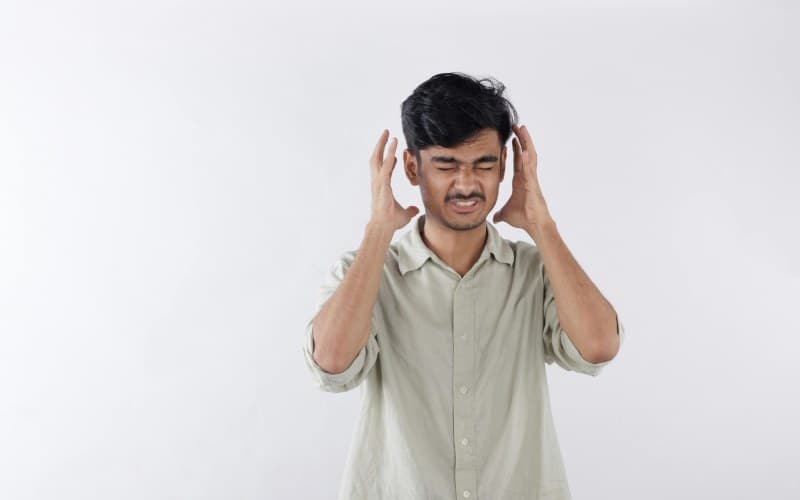
Let’s start with Sarah: a 34-year-old graphic designer juggling deadlines, a toddler’s bedtime battles, and a never-ending to-do list. Last month, she found herself snapping at her partner over a burnt toast—something she’d never do normally. That’s when she decided to try natural stress relief instead of reaching for another cup of coffee. Within a week, she noticed small shifts: she could breathe through a tight deadline without panicking, and her evenings felt less chaotic.
7 Natural Ways to Beat Daily Stress
Below are 7 evidence-backed methods to ease stress, compared side by side to help you pick what fits your lifestyle:
| Method | Effort Level | Time to Relief | Pros | Cons |
|---|---|---|---|---|
| Diaphragmatic Breathing | Low | Immediate (1-2 mins) | No equipment needed; can do anywhere | Hard to remember in high-stress moments |
| 5-Minute Walk | Low-Med | 10 mins | Boosts endorphins; gets you outdoors | Requires stepping away from tasks |
| Mindful Eating (1 snack) | Med | 5-10 mins | Slows down racing thoughts; nourishes body | Needs focus (easy to get distracted) |
| Progressive Muscle Relaxation | Med | 15-20 mins | Relieves physical tension (tight shoulders, jaw) | Takes time to learn proper technique |
| Journaling (3 sentences) | Low | 5 mins | Helps process emotions; clears mental clutter | May feel awkward if you don’t like writing |
| Listening to Calm Music | Low | Immediate | Easy to integrate into daily routine (commute, work) | Not effective in very loud environments |
| Gardening (10 mins) | Med-High | 20 mins+ | Connects you to nature; hands-on distraction | Requires access to plants/space |
Why These Methods Work
Stress triggers your body’s “fight-or-flight” response, releasing cortisol and adrenaline. Natural methods counter this by activating the parasympathetic nervous system (the “rest-and-digest” mode). For example, diaphragmatic breathing slows your heart rate and lowers cortisol levels—studies show it can reduce stress by up to 20% in just a few minutes.
A Classic Wisdom on Stress
“We cannot choose our external circumstances, but we can always choose how we respond to them.” — Epictetus
This ancient Stoic quote reminds us that stress often comes from our reaction to events, not the events themselves. Sarah used this idea when she started practicing diaphragmatic breathing: instead of panicking about a missed deadline, she paused, took 3 deep breaths, and focused on one task at a time.
Common Question: Does Natural Stress Relief Work for Everyone?
Q: I have chronic stress—will these methods be enough?
A: These methods are great for daily stress, but if you’re dealing with chronic stress (lasting more than 2 weeks), it’s important to talk to a healthcare professional. They can help you combine natural methods with other strategies like therapy or medication if needed.
Final Thoughts
Stress is a normal part of life, but you don’t have to let it take over. The key is to find what works for you—maybe it’s a 5-minute walk during lunch, or journaling before bed. Sarah now starts her day with 2 minutes of diaphragmatic breathing, and she says it’s changed how she handles stress. Give one method a try this week—you might be surprised at the difference it makes.