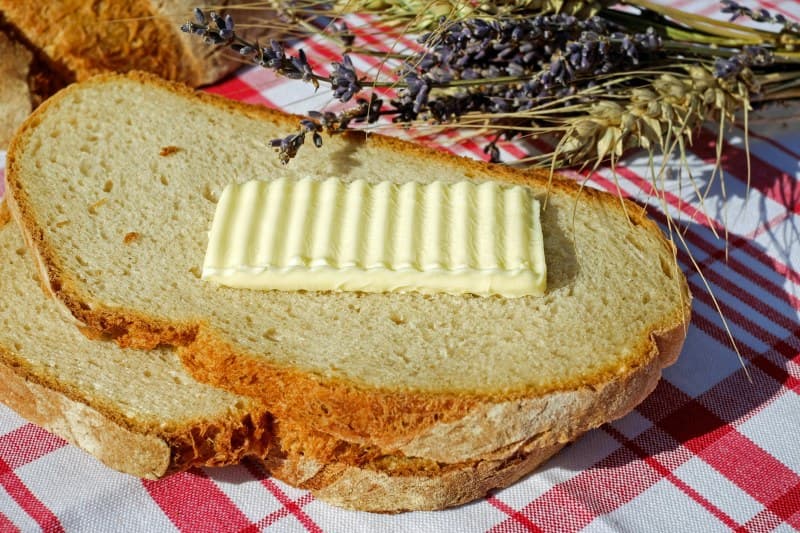
Last week, my roommate texted me in a panic: “I left the butter on the counter all night—Is it safe to eat?” I laughed, because I’ve been keeping mine out for months. But her question got me thinking: How many of us buy into butter myths without knowing the facts?
The Big Myth: Does Butter Need to Be Refrigerated?
Butter’s high fat content (around 80%) acts as a natural preservative, so it doesn’t need constant refrigeration. Salted butter can stay in an airtight container on the counter for up to 2 weeks (in a cool room, under 77°F/25°C). Unsalted butter lasts about 1 week—since it lacks salt, it’s more prone to spoilage. If your kitchen is warm, though, stick it in the fridge to be safe.
6 Common Butter Myths Debunked 🧈
Let’s break down the most persistent butter myths and their real truths:
| Myth | Truth |
|---|---|
| Butter must be refrigerated at all times. | Salted butter stays fresh on the counter for 2 weeks (airtight container); unsalted for 1 week. |
| Using salted butter in baking ruins recipes. | Substitute salted for unsalted by reducing added salt: 1 cup salted = 1 cup unsalted minus 1/4 tsp salt. |
| Butter goes bad if it turns yellow. | Natural butter yellows with age, but if it smells rancid (like old nuts), it’s time to toss it. |
| Margarine is healthier than butter. | Many margarines have trans fats (check labels); butter is natural but high in saturated fat—moderation is key. |
| You can’t freeze butter. | Butter freezes well for up to 6 months—wrap tightly in foil or plastic to prevent freezer burn. |
| Softened butter means melted butter. | Softened butter is room temp (65-70°F): spreadable but not liquid—critical for baking fluffy cookies. |
A Butter Wisdom Quote
“With enough butter, anything is good.” — Julia Child
Julia Child knew butter’s magic, but understanding how to handle it makes all the difference. For example, using properly softened butter in cookies ensures they spread just right—neither flat nor dense.
Real-Life Example: The Butter Experiment
My friend Sarah used to keep all her butter in the fridge. She complained that her toast always had clumpy butter, and her cookie dough was never smooth. I suggested she try an airtight butter dish on the counter. After a week, she texted me: “My toast game is changed—no more clumps, and it tastes richer!” She also learned her salted butter stayed fresh for 2 weeks without any issues.
FAQ: Can I Substitute Salted Butter for Unsalted in Baking?
Q: I ran out of unsalted butter—can I use salted instead?
A: Yes! Just adjust the salt in your recipe. For every 1 cup of salted butter, subtract 1/4 teaspoon of added salt. For example, if your cake recipe calls for 1 cup unsalted butter and 1 tsp salt, use 1 cup salted butter and 3/4 tsp salt. This keeps the flavor balance intact.
Practical Butter Storage Tips
- Use an airtight butter dish for counter storage (keep away from stoves or sunlight).
- Freeze butter in small portions (like 1/2 cup) so you can thaw only what you need.
- To soften butter quickly: Grate cold butter with a cheese grater—it softens in minutes.
Butter is a versatile ingredient, but don’t let myths hold you back. Whether you’re spreading it on toast or baking a cake, knowing the truth helps you use it better—and enjoy every bite.