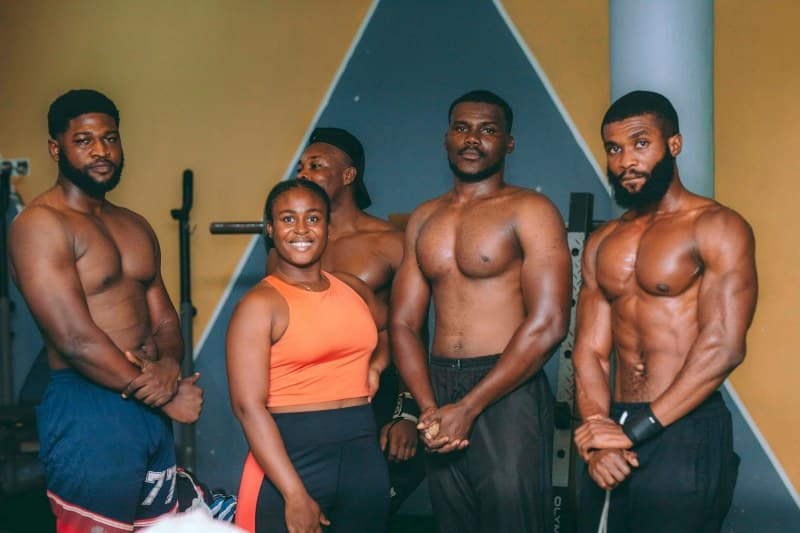
Sarah was determined to get stronger. Every time she hit the gym, she pushed until her muscles burned and she could barely lift the next rep. She thought this was the only way to see progress—until a shoulder injury sidelined her for two months. Like many casual fitness enthusiasts, Sarah bought into a common myth: that training to exhaustion is the key to gains. But is that really true?
Is Training to Exhaustion Necessary for Strength Gains?
The short answer: No. While pushing your limits can help, training until you’re completely spent often does more harm than good. Muscles grow during rest, not during the workout. Overtraining leads to fatigue, injury, and even decreased performance over time. Sarah learned this the hard way—after her injury, she started incorporating rest days and stopping her sets just before exhaustion. Within a few weeks, she noticed her strength improving without the pain.
6 Common Strength Training Myths (And Their Truths)
Let’s break down six myths that might be holding you back:
| Myth | Truth |
|---|---|
| You need to train every day to see progress. | Rest days are crucial—muscles repair and grow when you’re resting. |
| Lifting heavy weights is the only way to get strong. | Proper form and consistent reps (even with lighter weights) build strength over time. |
| Muscle soreness means a good workout. | Soreness is normal, but lack of soreness doesn’t mean you didn’t work hard. It’s a sign of muscle damage, not necessarily progress. |
| You should avoid cardio if you want to build muscle. | Cardio improves heart health and can complement strength training—just don’t overdo it. |
| Women will get bulky from lifting weights. | Women have less testosterone than men, so it’s hard to build large muscles without specific training and diet. |
| Stretching before a workout prevents injury. | Dynamic stretching (like leg swings) is better pre-workout; static stretching is best post-workout. |
“To keep the body in good health is a duty… otherwise we shall not be able to keep our mind strong and clear.” — Arthur Ashe
As Ashe implies, taking care of your body means balancing effort with rest. Pushing too hard doesn’t make you stronger—it just wears you down.
How to Avoid Overtraining
- Include 1-2 rest days per week.
- Alternate between strength training and cardio days.
- Listen to your body: if you feel persistent fatigue or pain, take an extra day off.
- Get 7-8 hours of sleep each night—sleep is when muscle repair happens.
FAQ: Common Questions About Strength Training
Q: How do I know if I’m overtraining?
A: Look for signs like constant tiredness, mood swings, decreased performance (e.g., lifting less weight than usual), frequent injuries, or trouble sleeping. If you notice these, take a break or reduce your workout intensity.
Fitness is a journey, not a race. Letting go of these myths can help you build a sustainable routine that works for you. Remember: progress takes time, and taking care of your body is the best way to keep moving forward.