Let’s be real: most of us reach for coffee first thing when we’re dragging. But what if coffee gives you jitters, upsets your stomach, or keeps you up at night? Take Sarah, a 32-year-old elementary teacher who had to cut out coffee after developing acid reflux. She struggled through morning lessons until she tried a few simple, caffeine-free tricks—and now she’s got the energy to keep up with her 2nd graders without the crash.
The 5 Caffeine-Free Energy Boosters: At a Glance
Here’s a quick comparison of the methods we’ll cover:
| Method | Effort Level | Time Commitment | Pros | Cons |
|---|---|---|---|---|
| Morning Sunlight Exposure | Low | 10 mins | Regulates circadian rhythm, boosts vitamin D | Depends on weather, requires outdoor access |
| Electrolyte Hydration | Low | 5 mins | Fixes dehydration-related fatigue fast | Needs electrolyte mix or natural sources (like banana + salt) |
| Quick Bodyweight Circuit | Medium | 15 mins | Releases endorphins, long-lasting energy | Requires space to move, may make you sweat |
| Protein + Fiber Snack | Low | 2 mins | Stabilizes blood sugar, no energy crash | Needs prepped snacks (like nuts + apple) |
| Deep Breathing Exercises | Low | 3 mins | Reduces stress-induced fatigue, instant calm | Requires focus, may not work for extreme tiredness |
1. Morning Sunlight Exposure
Sarah’s first trick? Stepping outside for 10 minutes right after waking up. Sunlight signals your brain to stop producing melatonin (the sleep hormone) and start producing serotonin (the mood-boosting one). She started drinking her water on her porch while watching the birds—and noticed her morning fog lifted within a week.
2. Electrolyte Hydration
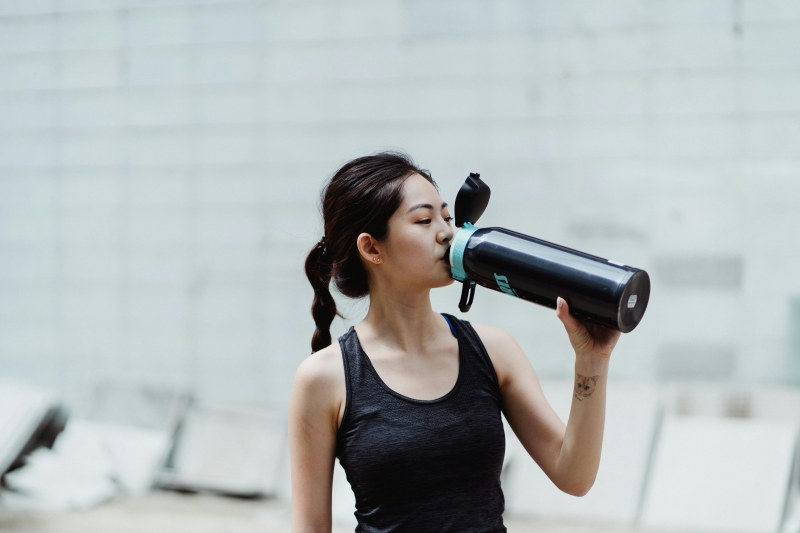
Dehydration is a common hidden cause of fatigue. Sarah added a pinch of sea salt and a slice of lemon to her water (or sometimes a banana for potassium) to replenish electrolytes. She found this fixed the mid-morning slump that used to make her reach for a soda.
3. Quick Bodyweight Circuit
When Sarah felt her energy dip in the afternoon, she did a 15-minute circuit: 10 squats, 10 push-ups (knee push-ups for ease), 10 lunges, and 30 seconds of jumping jacks. The movement got her blood flowing and released endorphins—she even started doing it with her students during recess, making it fun.
4. Protein + Fiber Snack
Instead of grabbing a sugary granola bar, Sarah kept pre-portioned bags of almonds and apple slices in her desk. Protein and fiber take longer to digest, so they keep energy levels steady instead of spiking and crashing. She said this trick kept her going through parent-teacher conferences without feeling drained.
5. Deep Breathing Exercises
When stress made her feel tired (like before a big test day), Sarah did the 4-7-8 breathing method: inhale for 4 seconds, hold for 7, exhale for 8. This activates the parasympathetic nervous system, reducing stress and boosting energy. She taught this to her students too—they use it before exams to stay calm and focused.
“We are what we repeatedly do. Excellence, then, is not an act, but a habit.” — Aristotle
This quote rings true for energy boosters. Sarah didn’t see results overnight—she made these small habits part of her daily routine, and over time, they transformed her energy levels.
FAQ: Your Caffeine-Free Energy Questions Answered
Q: Can these methods replace caffeine entirely?
A: It depends on you. For Sarah, yes—she no longer craves coffee. For others, these methods might reduce your caffeine intake or make the crash less severe. If you’re used to multiple cups a day, try adding one method at a time instead of quitting cold turkey.
Q: Do I need to do all 5 methods to see results?
A: No! Pick one or two that fit your lifestyle. Sarah started with sunlight and electrolyte water, then added the snack and breathing exercises as she got comfortable.
At the end of the day, the best energy boosters are the ones you can stick to. Whether you’re avoiding coffee or just want a natural pick-me-up, these 5 ways are worth a try.