Let’s start with Sarah’s story: She read online that drinking two cups of water before each meal would help her shed pounds. For two weeks, she chugged water 15 minutes before breakfast, lunch, and dinner. But instead of losing weight, she felt bloated and frustrated. What went wrong?
Does Drinking Water Before Meals Actually Help With Weight Loss?
The truth is, there’s some science to the claim—but it’s not a magic bullet. A 2015 study in the Journal of Human Nutrition and Dietetics found that people who drank 500ml of water before meals ate about 13% fewer calories. But this effect only works if you’re already slightly dehydrated (thirst can be mistaken for hunger) and if you don’t compensate by eating more later. Sarah was drinking water even when she wasn’t thirsty, leading to bloating instead of calorie reduction.
7 Common Hydration Myths Debunked
Hydration is full of misinformation. Let’s set the record straight with these 7 myths:
| Myth | Truth |
|---|---|
| You need 8 glasses of water a day. | There’s no universal rule—needs vary by activity, climate, and body type. The Institute of Medicine recommends 2.7L for women and 3.7L for men (including all fluids). |
| Thirst means you’re already dehydrated. | Thirst is your body’s way of signaling it needs water, but mild thirst isn’t severe dehydration. It’s a normal cue to drink. |
| Caffeinated drinks dehydrate you. | Moderate caffeine intake (up to 400mg/day) doesn’t cause dehydration in healthy adults. Coffee and tea count toward your fluid intake. |
| Clear urine means you’re fully hydrated. | Pale yellow urine is ideal. Clear urine can mean you’re overhydrated, which can dilute electrolytes. |
| Water is the only way to stay hydrated. | Herbal teas, fruit-infused water, and even fruits/veggies (like watermelon or cucumber) contribute to hydration. |
| Drinking more water cures headaches. | Some headaches are caused by dehydration, but others (like migraines) have different triggers. Water may help, but it’s not a cure-all. |
| Overhydration isn’t dangerous. | Severe overhydration (hyponatremia) can be life-threatening, though it’s rare. It happens when you drink too much water too fast, diluting sodium levels. |
Why Hydration Matters Beyond Weight Loss
“Water is the driving force of all nature.” — Leonardo da Vinci
Da Vinci’s words ring true: Water is essential for every bodily function, from regulating temperature to flushing out toxins. Even mild dehydration (1-2% of body weight) can cause fatigue, brain fog, and reduced physical performance. For example, a runner who skips water during a 5K may notice slower times and more muscle cramps.
FAQ: Your Hydration Questions Answered
Q: How can I tell if I’m hydrated enough?
A: Check your urine color—pale yellow is a good sign. Also, pay attention to how often you urinate (about every 2-4 hours is normal). If you’re feeling tired or have dry mouth, you may need to drink more.
Practical Tips for Staying Hydrated
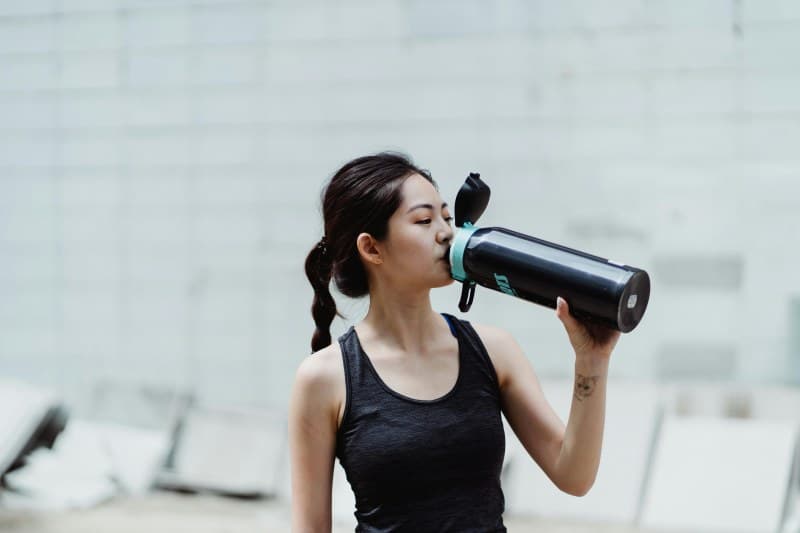
- Keep a reusable water bottle with you to sip throughout the day.
- Add fruit (like lemon or berries) to water for flavor if plain water is boring.
- Drink water before, during, and after exercise.
- Eat water-rich foods like watermelon, oranges, and leafy greens.
Remember, hydration is personal. Listen to your body, and don’t fall for myths that make you stress about drinking more than you need. Whether you’re trying to lose weight or just feel your best, staying hydrated is a simple, effective way to support your health.