Last month, my friend Lila texted me in a panic: her sourdough starter had stopped bubbling, and she was convinced she’d killed it. She’d followed every tutorial, but the goopy mixture in her jar looked lifeless. Sound familiar? Sourdough starter is equal parts magic and science, but it’s full of myths that trip up even seasoned bakers. Let’s break down how it works, debunk those myths, and get your starter thriving.
What Is a Sourdough Starter, Anyway?
A sourdough starter is a living culture of wild yeast and bacteria that ferments flour and water. It’s what gives sourdough bread its signature tangy flavor and airy texture. Think of it as a low-maintenance pet—you feed it regularly, and it grows stronger over time.
6 Common Sourdough Starter Myths (And The Truth)
Let’s set the record straight on the most persistent myths:
| Myth | Truth |
|---|---|
| You need special "sourdough yeast" to start. | No—wild yeast is everywhere (in air, flour, your hands!). Just mix flour and water and wait. |
| If it doesn’t bubble in 24 hours, it’s dead. | Starters take 3-7 days to activate. Be patient! |
| You have to discard half the starter every time you feed it. | Discarding controls growth, but you can use the discard for pancakes or crackers instead of wasting it. |
| Starters need to be kept at room temperature always. | Fridge storage slows growth—great for busy bakers (feed weekly instead of daily). |
| A sour starter is bad. | Tanginess is normal! Too much sourness might mean it’s overfed, but it’s usually fixable. |
| You can’t use whole wheat flour for a starter. | Whole wheat has more nutrients for yeast—many bakers prefer it for a robust starter. |
Step-by-Step Starter Care 💡
Caring for your starter is simple once you get the hang of it:
- Feed it regularly: For countertop storage, mix 50g starter + 50g flour +50g water daily. For fridge, feed once a week.
- Keep it in a clean jar: Glass is best—avoid plastic that might retain odors.
- Watch for signs of life: Bubbles, a rise in volume, and a sweet-sour smell mean it’s healthy.
- Discard (or use!) excess: If your starter gets too big, use the discard in recipes like sourdough discard bread or waffles.
Flavor Boosts for Your Starter
Want to add depth to your sourdough? Try these tricks:
- Add a pinch of rye flour to your feed (rye has more sugars for yeast).
- Let it ferment a little longer (2-3 hours) before baking for extra tang.
- Use filtered water instead of tap (chlorine can kill yeast).
"The only real stumbling block is fear of failure. In cooking, you've got to have a what-the-hell attitude." — Julia Child
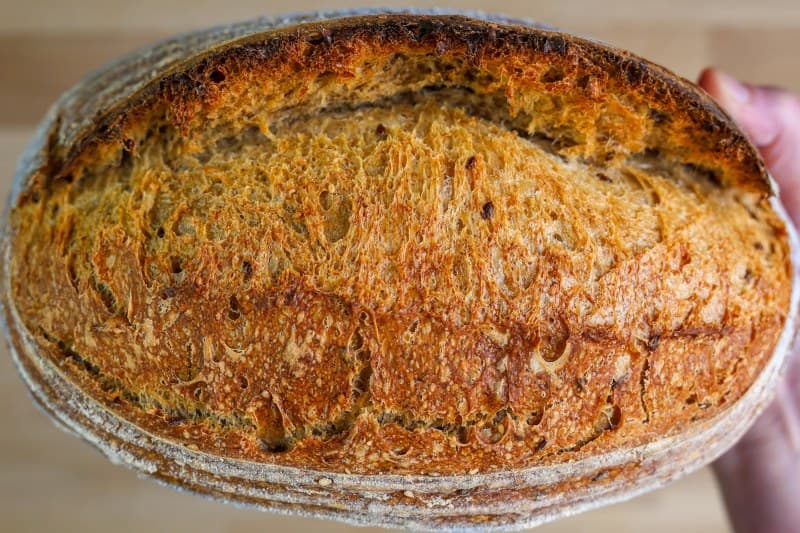
This quote sums up sourdough perfectly. Don’t be afraid if your starter has off days—experiment, adjust, and keep going. Lila’s starter? She moved it to the fridge for a week, then fed it daily, and now it’s bubbling like crazy. She baked her first loaf last weekend, and it was delicious!
FAQ: Your Starter Questions Answered
Q: Can I revive a dormant starter?
A: Yes! If your starter has been in the fridge for months, take it out, discard all but 50g, and feed it daily for 3-4 days.
It should start bubbling again.
Q: What if my starter smells like vinegar?
A: That means it’s hungry! Feed it immediately—discard half, then add fresh flour and water.
Sourdough starter is a journey, not a destination. It takes time to learn its quirks, but the reward—warm, crusty bread with that perfect tang—is worth it. So grab a jar, mix some flour and water, and let the magic happen.