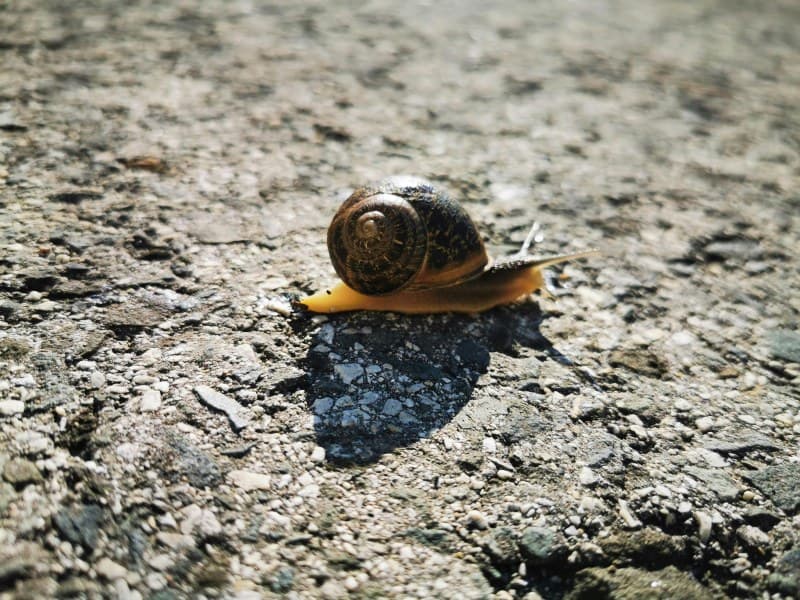
Ever found yourself dashing from one landmark to the next on a trip, only to return home with blurry photos and a vague sense of "I was there"? Slow travel is the antidote—and it doesn’t have to mean months on the road. There are two core approaches that can turn even a short trip into something meaningful: deep immersion and intentional wandering.
Deep Immersion: Rooting Yourself in One Place
Deep immersion is about staying in a single location long enough to feel like a temporary local. Instead of checking off sights, you dive into daily life. For example, when I spent a week in a tiny village in the south of France, I didn’t visit a single major tourist spot. Instead, I took a bread-making class with a local baker, shopped at the weekly market for fresh produce, and even helped a neighbor tend to her olive trees. By the end, I knew the names of the café owners and the best spot to watch the sunset—things you’d never get from a quick stop.
This approach is perfect for anyone who wants to understand a place’s culture beyond the surface. It’s not about how much you see, but how deeply you connect.
Intentional Wandering: Letting Curiosity Lead
Intentional wandering is the opposite of a strict itinerary. It’s about setting out with no fixed plan, letting your senses guide you. Last year, I visited Kyoto without a list of temples to see. I wandered down a narrow alley and stumbled upon a small tea house where an elderly woman served me matcha and told stories about her childhood. Later, I followed the sound of music to a street festival, where I joined locals in a traditional dance. These moments were unplanned but became the highlights of my trip.
Wandering works best if you’re open to surprises. It’s for people who love the thrill of discovering something unexpected.
How the Two Approaches Stack Up
Wondering which approach fits your travel style? Here’s a quick comparison:
| Approach | Focus | Planning Level | Ideal Trip Length | Key Benefit |
|---|---|---|---|---|
| Deep Immersion | Local culture & daily life | Moderate (book long stay, plan local activities) | 3+ days in one place | Builds meaningful connections |
| Intentional Wandering | Spontaneous discovery | Low (no fixed itinerary) | 1-3 days in a city/region | Uncovers hidden gems |
Wisdom from the Road
"The art of travel is the art of paying attention." — Pico Iyer
This quote sums up both approaches. Deep immersion requires paying attention to the small details of daily life—like how locals greet each other or the way sunlight hits a market stall. Intentional wandering asks you to notice the little things that lead to surprises: a colorful sign, the smell of fresh bread, or a laughter-filled café.
Common Question: Can Slow Travel Work for Short Trips?
Q: I only have a weekend to travel—can I still practice slow travel?
A: Absolutely! For a weekend, try deep immersion by picking one neighborhood to explore. Skip the tourist traps and visit a local park, eat at a family-run restaurant, or take a short workshop. Or, try intentional wandering: spend a day without a map, following your curiosity. Even small changes can make your trip feel more meaningful.
Slow travel isn’t about how long you’re away—it’s about how you engage with the world around you. Whether you choose to immerse yourself in one place or wander freely, you’ll come home with stories instead of just souvenirs.