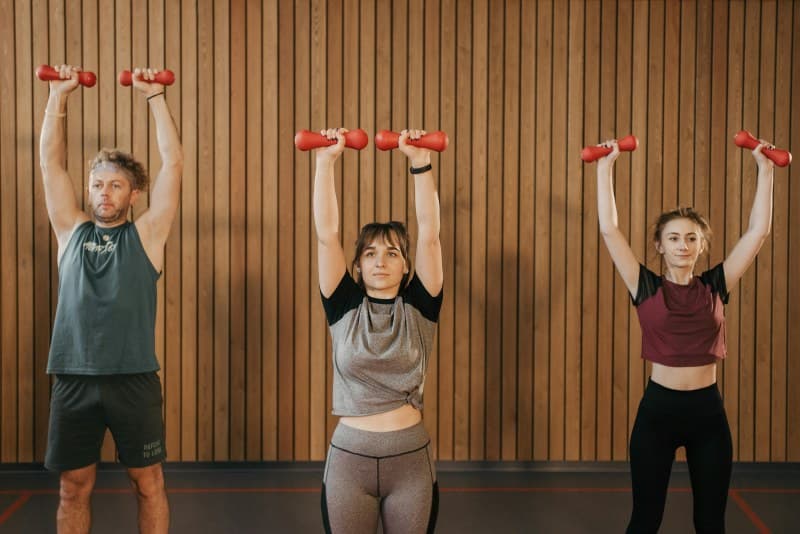
We’ve all been there: you set a fitness goal, buy new gear, and start strong—then life hits. Work deadlines pile up, kids need help with homework, or you’re just too tired to lace up your sneakers. Sarah, a 28-year-old graphic designer with a 9-to-5 job and a side hustle, knows this feeling well. She tried going to the gym 3 times a week but kept skipping sessions because she “didn’t have time.” Then she switched to micro-workouts, and suddenly, fitness fit into her day.
4 Ways to Stay Motivated (At a Glance)
Before diving into details, here’s a quick comparison of the 4 methods:
| Method | Time Commitment | Cost | Pros | Cons |
|---|---|---|---|---|
| Micro-Workouts | 10-15 mins/day | $0 (bodyweight) or low (dumbbells) | Easy to fit in, no equipment needed | Less intense than full sessions |
| Habit Stacking | Varies (depends on existing habit) | $0 | Builds consistency without extra effort | Requires identifying a strong existing habit |
| Accountability Partner | Varies (same as your workout time) | $0 (friend) or $ (trainer) | Keeps you accountable, adds social fun | Depends on partner’s reliability |
| Reward System | Varies (tie to workout frequency) | Low (small rewards like coffee or a book) | Boosts short-term motivation | Can lose effectiveness if rewards are overused |
1. Micro-Workouts: Small Steps, Big Results
Micro-workouts are short, focused sessions (10-15 minutes) that target key muscle groups or get your heart rate up. Sarah started doing 10 minutes of squats, push-ups, and jumping jacks every morning after making coffee. “It’s so quick, I can’t say I don’t have time,” she says. You can do them at home, in the office, or even while waiting for your lunch to heat up.
Pros: No need for a gym membership or fancy equipment. Cons: You might not see muscle growth as fast as with longer sessions, but consistency beats intensity for most busy people.
2. Habit Stacking: Attach Fitness to What You Already Do
Habit stacking is a trick from behavior science: you add a new habit (like a workout) to an existing one (like brushing your teeth). For example, after brushing your teeth in the evening, do 5 minutes of stretching. Or after drinking your morning tea, do 10 minutes of yoga.
“We are what we repeatedly do. Excellence, then, is not an act but a habit.” — Aristotle
This quote rings true here—habit stacking turns fitness into a natural part of your daily routine, not an extra task. The key is to pick an existing habit that you do every day without fail.
3. Accountability Partner: Don’t Go It Alone
Having someone to check in with can make all the difference. Whether it’s a friend who joins you for a weekly walk, a trainer who texts you to confirm your session, or a group chat where you share your workout progress, accountability keeps you honest.
Example: Mike, a teacher, started a weekly running group with two colleagues. “We meet every Saturday at 7 a.m., and I can’t skip because I know they’re waiting for me,” he says. The social aspect also makes workouts more fun.
4. Reward System: Treat Yourself for Progress
Small rewards can boost motivation. Set a goal (like working out 3 times a week for a month) and reward yourself with something you enjoy—like a new book, a coffee from your favorite shop, or a movie night. Just make sure the reward isn’t counterproductive (like a giant pizza after a week of healthy eating).
Tip: Keep rewards small and immediate. A daily reward (like a piece of dark chocolate after a workout) can keep you motivated in the short term, while larger rewards work for longer-term goals.
FAQ: Common Question About Busy Fitness
Q: What if I miss a day? Does that ruin my progress?
A: No! Missing one day isn’t a failure—it’s part of life. The key is to get back on track the next day. Consistency over time matters more than perfection. Sarah missed a day when she had a late work deadline, but she did her micro-workout the next morning and didn’t beat herself up about it.
Staying motivated to work out when you’re busy isn’t about being perfect. It’s about finding small, sustainable ways to fit fitness into your life. Try one of these methods and see what works for you—you might be surprised at how easy it is to keep going.