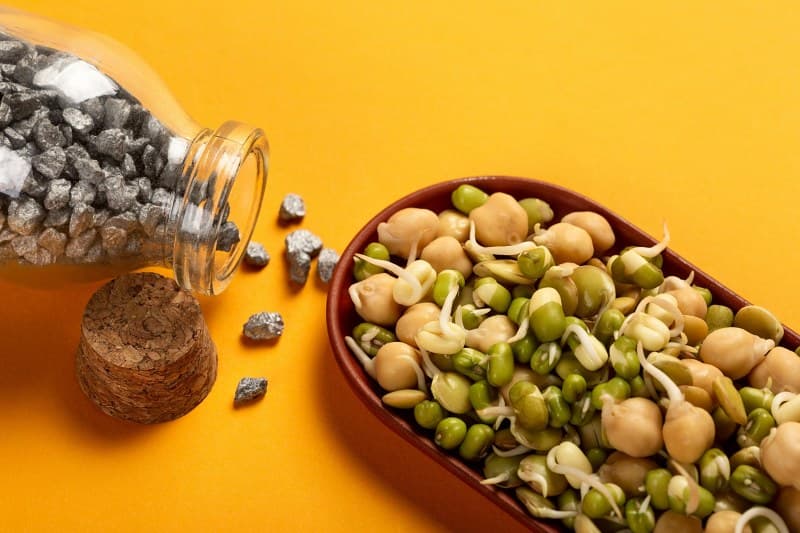
Ever met someone who chugs protein shakes at every meal or swears by chicken breast for breakfast, lunch, and dinner? Mia, a 28-year-old gym newbie, did exactly that. She thought more protein meant faster muscle gain—until she got tired of the same meals and started skipping them. Turns out, she was falling for common protein myths that complicate eating well.
Myth 1: More Protein = More Muscle
Many people think loading up on protein will turn them into bodybuilders overnight. But the truth is, your body can only use so much protein at once for muscle growth. Excess protein is either stored as fat or excreted.
Let’s look at how much protein different groups actually need:
| Group | Daily Protein Need (per kg of body weight) | Example (70kg person) |
|---|---|---|
| Sedentary adult | 0.8-1.0g | 56-70g |
| Active adult (gym 3x/week) | 1.2-1.6g | 84-112g |
| Athlete (intense training) | 1.6-2.2g | 112-154g |
Myth 2: Plant-Based Protein Is Less Effective Than Animal-Based
Plant proteins (like beans, lentils, and quinoa) are often called "incomplete" because they lack some essential amino acids. But combine them—say, rice and beans—and you get all 9 essential amino acids your body needs. A 2020 study found that plant-based eaters can build muscle just as effectively as those who eat animal products, as long as they meet their protein goals.
"Let food be thy medicine and medicine be thy food." — Hippocrates
This quote reminds us that the right combination of plant foods can provide all the nutrients we need, including protein. You don’t have to rely on meat to hit your targets.
Myth 3: Vegetarians Can’t Get Enough Protein
Take my friend Raj, a vegetarian who works out 4 times a week. He eats lentil curry with rice for lunch, Greek yogurt (yes, it’s vegetarian!) for snack, and chickpea salad for dinner. His daily protein intake? Around 100g—perfect for his active lifestyle. The key is to choose protein-rich plant foods and pair them wisely.
Myth 4: Protein Shakes Are a Must for Fitness
Protein shakes are convenient, but they’re not necessary. You can get all the protein you need from whole foods. For example, a 3-egg omelet has about 18g of protein, and a cup of lentils has 18g too. Shakes are great for busy days, but don’t let them replace real food.
Animal vs. Plant Protein: A Quick Comparison
Here’s how common protein sources stack up:
| Source | Protein per 100g | Complete/Incomplete | Key Notes |
|---|---|---|---|
| Chicken breast (cooked) | 31g | Complete | Low in fat, high in B vitamins |
| Lentils (cooked) | 9g | Incomplete (pair with rice) | High in fiber and iron |
| Greek yogurt (non-fat) | 10g | Complete | Probiotic benefits |
| Quinoa (cooked) | 4g | Complete | Gluten-free, high in magnesium |
FAQ: Your Protein Questions Answered
Q: Is it okay to eat protein at every meal?
A: Yes! Spreading protein intake throughout the day (about 20-30g per meal) helps your body build and repair muscle. For example, eggs for breakfast, chicken for lunch, and beans for dinner are a great way to do this.
Practical Tips to Meet Your Protein Goals
- Add a handful of nuts to your salad for extra protein.
- Swap white rice for quinoa to get complete protein.
- Keep hard-boiled eggs in the fridge for a quick snack.
- Try tofu or tempeh in stir-fries for plant-based protein.
At the end of the day, protein intake doesn’t have to be complicated. Skip the myths, focus on whole foods, and adjust your portions based on your activity level. Your body will thank you.