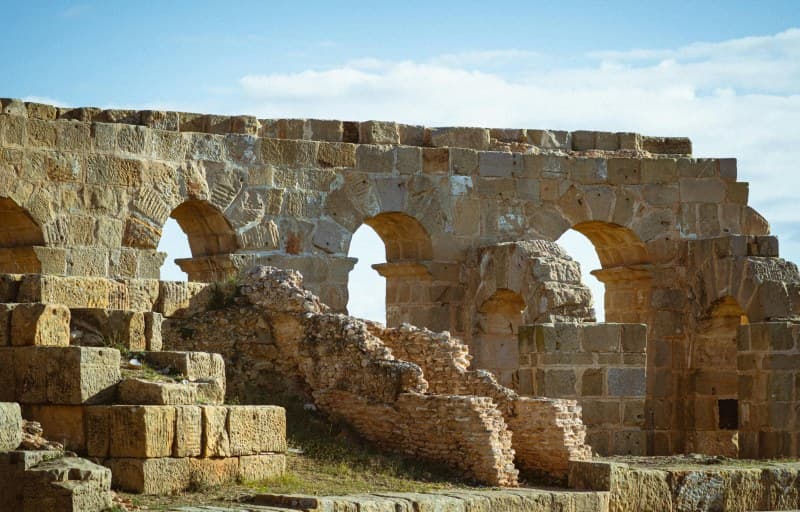
My first UNESCO site visit was Angkor Wat in Cambodia. I stood at the entrance at dawn, torn between joining a guided tour or wandering alone. The guide promised to unlock the stories behind the stone carvings; going solo meant I could take my time with every quiet corner. That day, I did both—and learned that there’s no one “right” way to experience these global treasures. Let’s break down the two main approaches, bust some myths, and share etiquette tips to make your next UNESCO trip unforgettable.
Two Key Approaches to UNESCO Site Visits
Whether you’re a history buff or a casual traveler, these two methods will help you get the most out of your visit:
| Approach | Pros | Cons | Best For |
|---|---|---|---|
| Guided Tour | Deep historical context, access to restricted areas, avoids getting lost | Fixed schedule, less flexibility, extra cost | First-time visitors, history lovers, large sites like Machu Picchu |
| Self-Exploration | Flexible pace, personal discovery, lower cost | Misses hidden stories, risk of getting lost, no expert insights | Return visitors, creative travelers, small sites like Petra’s lesser-known trails |
Myths About UNESCO Sites (And Why They’re Wrong)
Myth 1: They’re only for history nerds
Not true! UNESCO sites include natural wonders (like the Great Barrier Reef) and cultural landmarks (like the Taj Mahal). Even if you don’t know every detail of their history, you can appreciate their beauty, craftsmanship, or ecological importance. For example, visiting the Galápagos Islands lets you witness unique wildlife—no history degree needed.
Myth 2: You have to spend a fortune
Many UNESCO sites are affordable or even free. For instance, the Old Town of Dubrovnik has a reasonable entry fee, and some sites like the Great Wall of China offer discounted tickets for students. Plus, self-exploration cuts down on tour costs.
Local Etiquette to Keep in Mind 💡
- Dress modestly: At religious sites like the Vatican or Angkor Wat, cover your shoulders and knees. Some places provide scarves if you forget.
- Don’t touch: Ancient carvings and artifacts are fragile—even a small touch can damage them.
- Respect quiet zones: Many sites have areas for reflection (like Buddhist temples) where loud talking is not allowed.
- Follow waste rules: Carry a reusable water bottle and avoid littering—UNESCO sites are protected for future generations.
“The world is a book, and those who do not travel read only one page.” — Saint Augustine
This quote reminds us that UNESCO sites are chapters in the world’s story. Whether you choose a guided tour to dive deep into the text or self-explore to make your own notes, each visit adds to your understanding of our shared heritage.
Common Q&A
Q: Do I need to book tickets in advance for popular UNESCO sites?
A: Yes! For busy sites like Machu Picchu or the Colosseum, tickets sell out months in advance. Some sites also require timed entries to manage crowds, so plan ahead to avoid disappointment.
A Story to Inspire Your Visit
When I visited Angkor Wat, the guided sunrise tour taught me about the temple’s alignment with the sun—how the first rays hit the central tower exactly at dawn. Later, I wandered Ta Prohm, a temple overgrown with tree roots. I sat on a stone step, watching sunlight filter through the leaves, and felt a connection to the people who built it centuries ago. That moment of quiet discovery was just as meaningful as the guided insights. It’s all about balancing both approaches to get the full picture.
Next time you plan a trip to a UNESCO site, think about what you want to get out of it. Do you want to learn every detail, or do you want to let the site speak to you in its own way? Either way, you’re sure to leave with a story to tell.