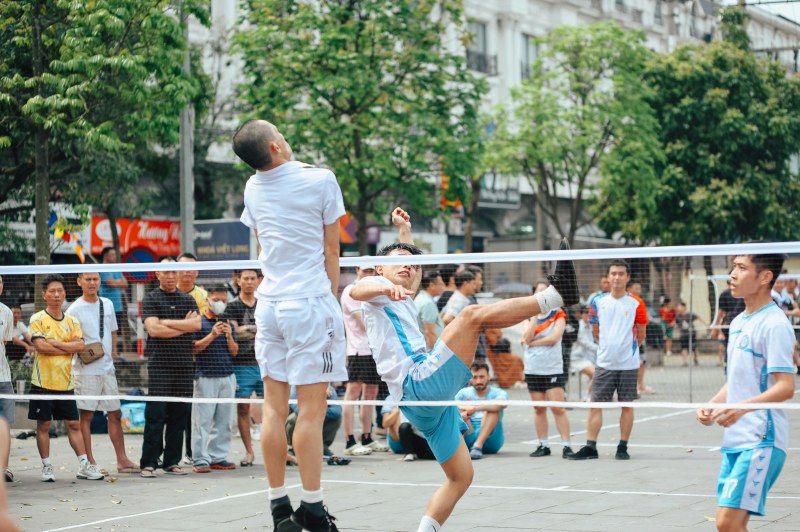
Last Saturday, Lisa stood on the soccer field sidelines, watching her 10-year-old son, Jake, drag his feet during the second half. She’d packed his usual post-game snack—chips and a soda—but lately, he’d been complaining of tiredness mid-game. “Is he not eating enough?” she wondered. Like many parents, Lisa was confused about what to feed her young athlete. Let’s break down 7 common myths about kids’ sports nutrition and share simple swaps to keep your little star energized.
7 Common Myths About Kids’ Sports Nutrition
- Myth 1: Sports drinks are necessary for every practice.
Many parents reach for sports drinks to hydrate kids during short practices, but most sessions under an hour only need water. Sports drinks are high in sugar and electrolytes—great for long games or hot days, but overused can lead to extra sugar intake. Swap: Water with a slice of lemon or cucumber for flavor.
- Myth 2: More protein = bigger muscles.
Young athletes do need protein, but too much (like chugging protein shakes daily) isn’t helpful. Their bodies can only absorb so much at once. Swap: A small handful of nuts or a Greek yogurt cup instead of a protein shake.
- Myth 3: Carbs are bad for athletes.
Carbs are the body’s main energy source for sports. Cutting them can leave kids feeling sluggish. Swap: Whole-grain bread or oatmeal instead of white bread or pastries.
- Myth 4: Post-game snacks can wait until dinner.
Kids need to refuel within 30 minutes of finishing a game to replenish energy stores. Swap: A banana with peanut butter or apple slices with cheese right after the game.
- Myth 5: Energy bars are always healthy.
Many energy bars are loaded with sugar and artificial ingredients. Swap: Homemade granola bars with oats, honey, and dried fruit.
- Myth 6: Milk is too heavy before games.
Milk is a good source of calcium and protein, but drinking a full glass right before a game can cause stomach upset. Swap: A small glass of milk an hour before the game, or a yogurt cup.
- Myth 7: All fruits are equally good for pre-game fuel.
Some fruits are higher in sugar and fiber, which can slow digestion. Swap: Bananas (easy to digest) instead of apples (higher fiber) right before a game.
Snack Swap Comparison Table
Here’s a quick look at common snack mistakes and better alternatives:
| Common Myth-Based Snack | Why It’s Not Ideal | Better Swap | Key Benefit |
|---|---|---|---|
| Chips + Soda | High sugar, empty calories, no nutrients | Apple slices + Peanut Butter | Carbs for energy, protein for muscle recovery |
| Store-bought Energy Bar | Hidden sugar, artificial additives | Homemade Granola Bar | Controlled ingredients, fiber and protein |
| White Bread Sandwich | Refined carbs, low fiber | Whole-grain Bread Sandwich with Turkey | Sustained energy, lean protein |
Wisdom to Remember
“The food you eat can either be the safest and most powerful form of medicine or the slowest form of poison.” — Ann Wigmore
This quote rings true for young athletes. Choosing nutrient-dense foods helps them perform their best and stay healthy long-term. It’s not about being perfect—it’s about making small, consistent choices.
FAQ: A Common Parent Question
Q: Do my kids need to eat a big meal before a game?
A: No—big meals can cause stomach discomfort. Instead, offer a light, carb-rich snack (like a banana or oatmeal) 1-2 hours before the game. This gives their body time to digest and turn the food into energy.
Feeding young athletes doesn’t have to be complicated. By debunking these myths and making simple swaps, you can help your kid stay energized, focused, and ready to play. Remember—every small choice counts!