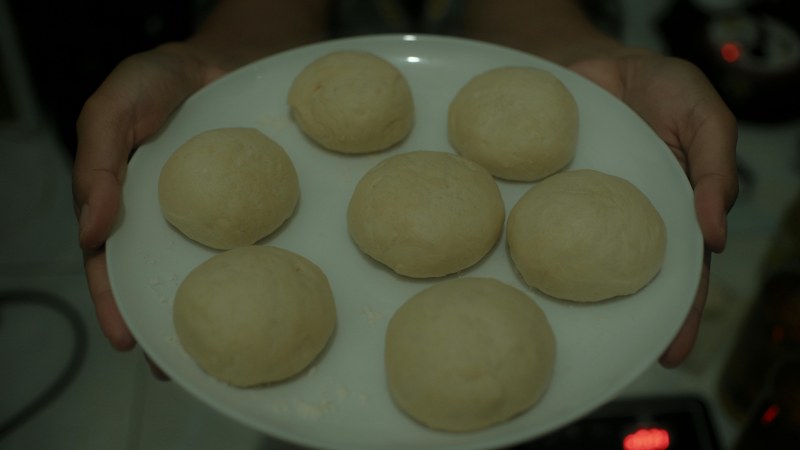
Last year, I spent a week in Kyoto checking off all the tourist boxes: Fushimi Inari, Kinkaku-ji, and a traditional tea house tour. But it wasn’t until I joined a neighborhood mochi-making workshop with a group of local grandmothers that I felt like I actually got to know the city. They laughed as I fumbled with the rice paste, shared stories about their childhoods, and even sent me home with a bag of homemade mochi. That moment made me realize: deep cultural experiences aren’t found in guidebooks—they’re found in connecting with people.
Way 1: Join a Community-Led Activity
Community activities are hands-on, local-led events that let you participate in daily life. Think cooking classes with a family, farming workshops, or neighborhood festival prep. These aren’t tourist-focused—they’re the real deal.
Take my friend Lila, who visited Oaxaca, Mexico. She signed up for a mole-making workshop hosted by a local woman named Doña Maria. For three hours, Lila chopped chiles, ground spices, and learned the story behind Oaxaca’s famous mole negro (it takes 20+ ingredients!). At the end, Doña Maria invited Lila to stay for dinner with her family. Lila left with a recipe, a full stomach, and a new friend.
Way 2: Stay with a Local Host (Not a Hotel)
Staying with a local—whether through a homestay platform or a friend’s connection—puts you right in the middle of daily life. You’ll eat their food, follow their routines, and get insider tips no guidebook has.
When I traveled to Lisbon, I stayed with a retired teacher named Ana. She woke me up at 7 a.m. to go to the neighborhood market (where she knew every vendor by name), taught me how to make pastéis de nata from scratch, and even took me to a local fado show in a tiny, hidden bar. I didn’t just see Lisbon—I lived it.
Which Way Is Right for You? A Quick Comparison
Here’s how the two ways stack up:
| Way | Pros | Cons | Effort Level | Cost Range |
|---|---|---|---|---|
| Community Activity | Structured, easy to book, immediate connection | Limited availability, may feel slightly formal | Low (just show up!) | $20–$100 per activity |
| Local Host Stay | Full immersion, insider access, personal stories | Less privacy, need to be flexible with routines | Medium (requires communication with host) | $0–$50 per night (couchsurfing to budget homestays) |
A Classic Quote to Remember
The world is a book, and those who do not travel read only one page. — St. Augustine
This quote hits home because these two ways let you read more than just the tourist page. They let you dive into the chapters of local life that most visitors never see.
FAQ: Do I Need to Speak the Local Language?
Q: I don’t speak the local language—can I still try these ways?
A: Absolutely! Body language, shared laughter, and hands-on activities bridge most gaps. For example, in the Kyoto mochi workshop, I only knew a few Japanese phrases, but the grandmothers used gestures and smiles to guide me. Many community activities also have translators, and hosts often use apps like Google Translate to communicate. The key is to be open and curious.
At the end of the day, deep cultural travel isn’t about checking boxes—it’s about showing up, listening, and being present. Whether you join a workshop or stay with a host, you’ll come home with stories that no photo can capture.