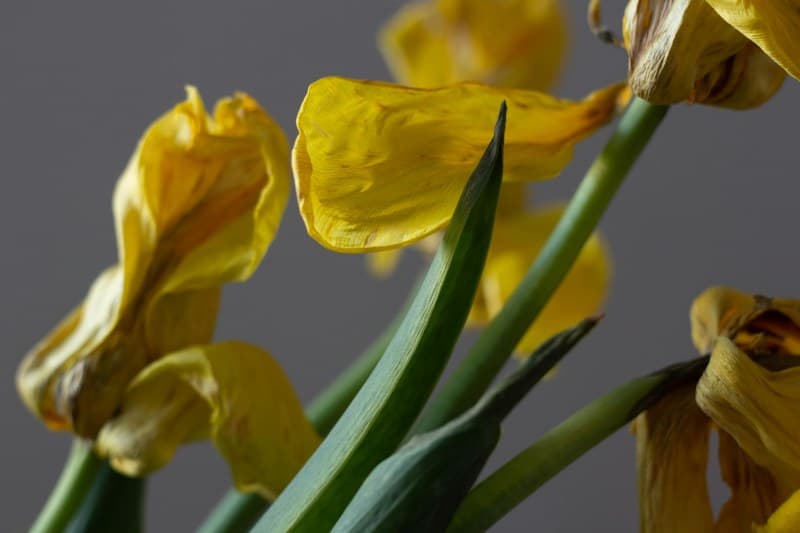
Last month, I left my favorite pothos on the windowsill for a three-day weekend. When I got back, its leaves were drooping like sad balloons—every single one. I panicked, grabbed the watering can, and almost drowned it before remembering: wilted doesn’t always mean thirsty. That moment made me realize how many of us make the same mistake with our houseplants.
Why Do Houseplants Wilt?
Wilt is your plant’s cry for help, but the cause isn’t always obvious. Let’s break down the most common culprits:
- Underwatering: Roots can’t absorb enough water to keep leaves turgid.
- Overwatering: Soggy soil suffocates roots, preventing water uptake.
- Root Bound: Roots outgrow their pot, leaving no room to absorb nutrients.
- Light Stress: Too much direct sun burns leaves; too little weakens growth.
- Temperature Shock: Drafts, sudden cold, or heat waves disrupt plant function.
To make it easier to spot and fix, here’s a quick comparison of each cause and its immediate solution:
| Cause | Quick Fix | Signs to Look For |
|---|---|---|
| Underwatering | Soak soil thoroughly (let water drain out bottom) | Dry, crumbly soil; crispy leaf edges |
| Overwatering | Let soil dry completely; repot if root rot is present | Soggy soil; yellowing leaves; mushy stems |
| Root Bound | Repot into a larger pot with fresh soil | Roots growing out drainage holes; stunted growth |
| Light Stress | Move to a spot with indirect light (for sunburn) or brighter area (for low light) | Brown, scorched spots (too much sun); pale, leggy growth (too little) |
| Temperature Shock | Move to a stable, room-temperature spot (away from windows/drafts) | Wilting after a sudden temperature change; leaves dropping |
Classic Wisdom for Plant Parents
“A garden requires patient labor and attention. Plants do not grow merely to satisfy ambitions or to fulfill good intentions. They thrive because someone expended effort on them.” — Liberty Hyde Bailey
This quote reminds us that wilted plants aren’t failures—they’re opportunities to learn. When my pothos wilted, I didn’t give up; I checked the soil (it was bone dry) and soaked it. By the next morning, half the leaves were perked up. By day two, it was back to normal.
Myth Busting: Common Wilt Misconceptions
Myth 1: Wilted plants always need more water
False! Overwatering is a top cause of wilt. If your soil is soggy, hold off on watering. Instead, let it dry out and consider repotting with well-draining soil.
Myth 2: Once a plant wilts, it’s dead
Not necessarily. Many plants can bounce back if you address the root cause quickly. For example, a wilted succulent from underwatering can revive in 24 hours with a good soak.
FAQ: Your Wilted Plant Questions Answered
Q: Can I save a plant that’s been wilted for a week?
A: It depends. If the stems are still firm and green, try the appropriate fix (check soil, light, etc.). If stems are mushy or brown, it might be too late—but it’s worth a shot. Trim dead parts and repot in fresh soil to see if new growth emerges.
Final Tips to Keep Plants Happy
Prevention is key. Check your plants’ soil every few days (stick your finger 1-2 inches deep—if it’s dry, water). Rotate them monthly to ensure even light. And remember: every plant is different—take time to learn your green friend’s needs.