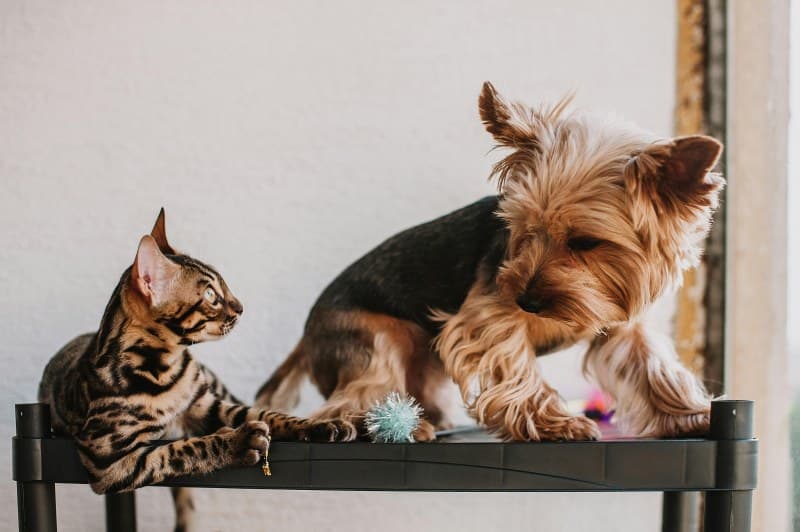
Last month, my friend’s cat, Mochi, took a curious bite out of her pothos plant. Panicked, she rushed him to the vet—luckily, he was fine, but it made her realize she needed to swap her toxic greenery for pet-safe options. If you’ve ever worried about your furry friend munching on your plants, you’re not alone. Pet-friendly indoor plants let you enjoy greenery without the stress of accidental poisoning.
Why Pet-Friendly Plants Matter
Pets, especially cats and dogs, love to explore with their mouths. Toxic plants can cause symptoms like vomiting, diarrhea, or even more serious issues. Choosing non-toxic plants keeps your home beautiful and your pets healthy.
6 Pet-Friendly Plants: A Quick Comparison
Here’s a breakdown of six safe, easy-to-care-for plants perfect for pet owners:
| Plant Name | Pet Safety (ASPCA Rating) | Light Requirements | Water Needs | Key Benefits |
|---|---|---|---|---|
| Spider Plant | Non-toxic (cats/dogs) | Bright indirect light | Let soil dry between waterings | Air-purifying; produces baby plants (pups) for propagation |
| Boston Fern | Non-toxic (cats/dogs) | Bright indirect light | Keep soil moist; high humidity | Lush, feathery fronds; adds a tropical vibe |
| Parlor Palm | Non-toxic (cats/dogs) | Low to bright indirect light | Water when top 1-2 inches of soil are dry | Compact; tolerates low light well |
| Areca Palm | Non-toxic (cats/dogs) | Bright indirect light | Water when top inch of soil is dry | Tall, elegant; great for corner spaces |
| Calathea Orbifolia | Non-toxic (cats/dogs) | Bright indirect light (avoid direct sun) | Keep soil consistently moist (not soggy) | Striking striped leaves; moves its leaves with light |
| African Violet | Non-toxic (cats/dogs) | Bright indirect light | Water from the bottom to avoid leaf rot | Blooms year-round with colorful flowers |
Care Tips for Each Plant
Even pet-friendly plants need proper care to thrive:
- Spider Plant: Perfect for beginners—forgives occasional neglect. Trim yellow leaves to keep it healthy.
- Boston Fern: Mist daily or place near a humidifier to prevent brown fronds.
- Parlor Palm: Avoid overwatering; it’s sensitive to root rot.
- Areca Palm: Rotate it every few weeks to ensure even growth.
- Calathea Orbifolia: Use filtered water to prevent leaf browning from chlorine.
- African Violet: Use a balanced fertilizer every 2-4 weeks during blooming season.
Myths About Pet-Friendly Plants Debunked
Let’s clear up some common misconceptions:
- Myth: All succulents are safe for pets. Fact: Some succulents (like aloe vera, jade) are toxic. Stick to safe options like Haworthia or Burro’s Tail.
- Myth: Non-toxic plants are okay to eat in large amounts. Fact: Even safe plants can cause upset stomach if your pet eats too much. Redirect chewing to pet-safe toys.
- Myth: Pet-friendly plants are boring. Fact: Plants like Calathea Orbifolia or African Violet add color and texture to any room.
“The greatest gift of the garden is the restoration of the five senses.” – Hanna Rion. For pet owners, this restoration includes peace of mind knowing their plants won’t harm their furry companions.
FAQ: Common Questions About Pet-Friendly Plants
Q: Can I still have plants if my pet is a frequent chewer?
A: Yes! Choose plants with tough leaves (like spider plants) or place them on high shelves/out of reach. You can also use bitter-tasting sprays (safe for pets) on plant leaves to deter chewing.
Q: How do I confirm if a plant is safe for my pet?
A: Check the ASPCA’s online database (searchable by plant name) for up-to-date toxicity information for cats and dogs.
Adding pet-friendly plants to your home is a win-win: you get to enjoy the beauty of nature, and your pets stay safe. Pick one from the list above and start your green journey today!