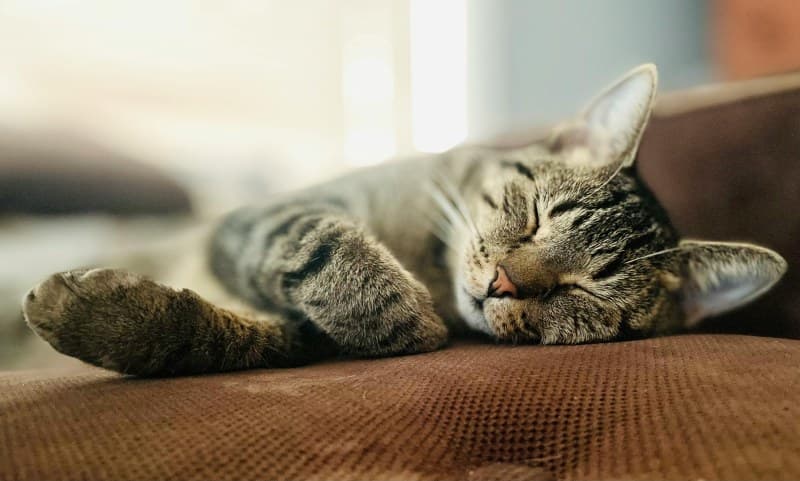
It’s 2 PM, and you’re staring at your screen, eyes heavy, mind wandering. You’ve got a to-do list longer than your arm, but every thought feels like it’s wading through molasses. Should you grab a coffee? Or risk a nap—even though you’ve heard it makes you lazy, or worse, ruins your night sleep? If this sounds familiar, you’re not alone. Napping is one of the most misunderstood wellness habits out there.
Myth vs Fact: 4 Common Nap Misconceptions
Let’s start by clearing up the noise. Here’s a breakdown of the most persistent nap myths and what science actually says:
| Myth | Fact |
|---|---|
| Napping makes you lazy. | Short naps (10-20 mins) boost productivity, focus, and mood—studies show they can even improve memory retention. |
| Any nap length works. | 10-20 mins (power nap) is ideal for energy; 30+ mins may lead to sleep inertia (that groggy, disoriented feeling). |
| Napping after 3 PM ruins night sleep. | Short naps (under 20 mins) after 3 PM are okay for most people. Long naps or those taken close to bedtime are more likely to disrupt sleep. |
| Only tired people need naps. | Naps can prevent fatigue—even if you feel fine, a quick rest can help you stay alert for the rest of the day. |
The Science Behind a Good Nap
Napping taps into your body’s natural circadian rhythm, which dips between 1-3 PM for most adults. When you nap, you enter light sleep (the first stage of the sleep cycle) if you keep it short. This stage refreshes your brain without pulling you into deep sleep, so you wake up feeling energized instead of groggy.
Rest is not idleness, and to lie sometimes on the grass under trees on a summer's day, listening to the murmur of the water, or watching the clouds float across the sky, is by no means a waste of time.
This quote from John Lubbock reminds us that rest—including napping—is an essential part of productivity, not a distraction. It’s a way to recharge so you can show up fully for the things that matter.
How to Nap Like a Pro
Not all naps are created equal. Here’s how to make your nap work for you:
Optimal Length
- 💡 Power nap (10-20 mins): Perfect for a quick energy boost. Ideal for busy days when you need to get back to work fast.
- 💡 Recovery nap (30-60 mins): Good if you’re sleep-deprived (e.g., after a late night). You’ll enter deep sleep, so allow time to shake off grogginess before resuming tasks.
Best Time
Stick to 1-3 PM. This aligns with your circadian dip and avoids interfering with nighttime sleep.
Environment
Find a dark, quiet, cool spot. Use an eye mask or earplugs if needed. Even 5 mins of quiet rest can help, but a dark room will make your nap more effective.
Take Mark, a college student who used to pull all-nighters to study. He started taking 20-min naps between classes, and suddenly his grades improved. “I used to think napping was a waste of time,” he says. “But now I know it’s the reason I can focus during lectures and finish my assignments faster.”
FAQ: Will Napping Make Me Insomniac?
Q: I’m worried napping during the day will make it hard to sleep at night. Is that true?
A: It depends. Short naps (10-20 mins) taken before 3 PM are unlikely to disrupt your nighttime sleep. If you struggle with insomnia, try avoiding naps after 2 PM or keeping them under 10 mins. Listen to your body—if you nap and still sleep well at night, it’s probably okay.
Napping isn’t a sign of weakness. It’s a smart way to take care of your body and mind. Next time you feel that midday slump, don’t reach for another coffee—give napping a try. You might be surprised at how much more you can accomplish.