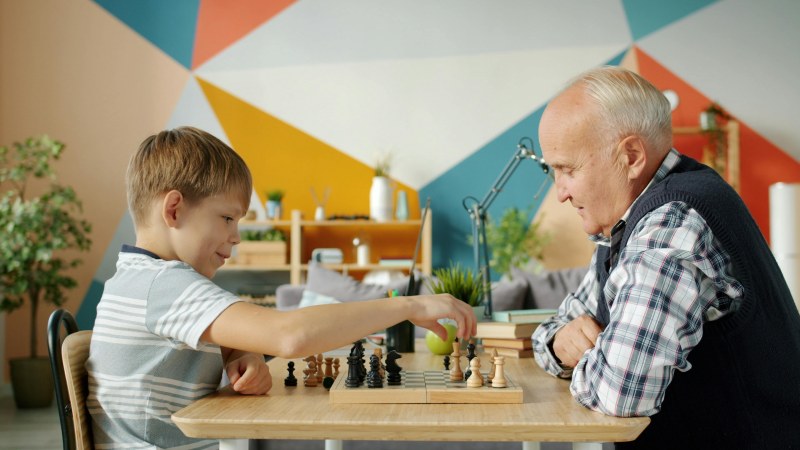
Have you ever found yourself nodding along while your kid rambles about their day, but your mind is already on the next thing—like what to make for dinner or the work email you forgot to send? You’re not alone. Family active listening isn’t about being a perfect parent or sibling; it’s about showing up in the moment, even when life feels chaotic.
What Is Family Active Listening, Anyway?
Active listening is more than just hearing words. It’s about paying full attention to the speaker—body language, tone, and feelings included—without interrupting or planning your response. In family settings, it’s the difference between saying “I hear you” and making someone feel “I understand you.”
3 Common Myths About Family Active Listening (Debunked)
Let’s clear up some misconceptions that might be holding you back:
- Myth 1: It means agreeing with everything. No—active listening is about validating feelings, not agreeing. For example, if your teen says “School sucks,” you can respond with “That sounds really frustrating” instead of arguing that school is important.
- Myth 2: It takes too much time. You don’t need 30 minutes. Even 2 minutes of focused listening (putting down your phone, making eye contact) can make a big difference. A quick “Tell me more about that game you won” while folding laundry counts.
- Myth 3: Kids don’t need it—they just want solutions. Kids often want to feel heard first before solving problems. If your child is upset about a friend, asking “How did that make you feel?” before jumping to “You should talk to them” helps them feel supported.
Passive vs. Active Listening: A Quick Comparison
Wondering how your current habits stack up? Here’s a side-by-side look:
| Aspect | Passive Listening | Active Listening |
|---|---|---|
| Body Language | Looking at phone, fidgeting | Eye contact, open posture |
| Response | “Mm-hmm” or “Okay” | “It sounds like you felt left out” (paraphrasing) |
| Impact | Speaker feels unheard | Speaker feels valued and understood |
A Real-Life Story: Turning Conflict Into Connection
Let’s say 8-year-old Mia and her 10-year-old brother Leo are fighting over the last cookie. Instead of yelling “Stop fighting!” their mom sits down with both of them. She turns to Mia first: “Mia, you look really upset—tell me why this cookie matters so much?” Mia says, “I saved it for after homework, but Leo took it!” Then mom turns to Leo: “Leo, what’s going on for you?” Leo admits, “I was hungry and forgot she saved it.” By listening to both sides without taking sides, mom helps them agree to split the cookie. No yelling, no punishment—just connection.
Classic Wisdom on Listening
“We have two ears and one mouth so that we can listen twice as much as we speak.” — Epictetus
This ancient quote rings true for families. When we listen more than we talk, we create space for each other to share. It’s not about being silent—it’s about choosing to understand before being understood.
FAQ: What If My Teen Doesn’t Want to Talk?
Q: My teen always says “Nothing” when I ask how their day was. How do I use active listening here?
A: Teens often pull away because they don’t want to feel interrogated. Try shifting from “How was school?” to a more specific, low-pressure question like “Did anything funny happen in math class today?” If they still don’t want to talk, say something like “I’m here if you want to share later—no pressure.” Sometimes just being present (sitting next to them while they play video games or watch TV) is enough to build trust over time.
Family active listening isn’t about being perfect. It’s about small, consistent efforts—like putting down your phone during dinner, paraphrasing what your kid says, or validating their feelings. These little acts can strengthen your family bonds more than any big gesture. Give it a try today—you might be surprised at how much it changes your conversations.