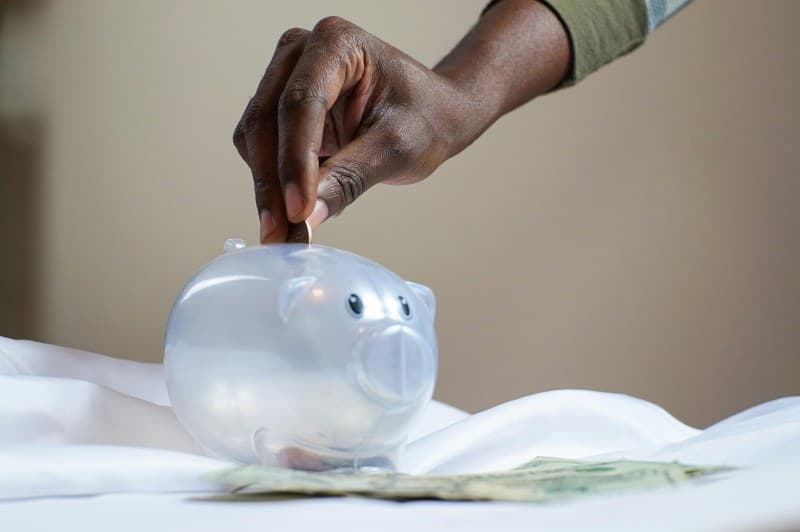
Last year, I set a goal to save $5,000 for a cross-country road trip. By month three, I’d only stashed away $300. Every time I glanced at my savings account, that familiar knot in my stomach tightened: “This is impossible. I’ll never get there.” If you’ve ever felt that way about a savings goal, you’re not alone.
Why Your Savings Goal Feels Out of Reach
Most of the time, the frustration doesn’t come from lack of effort — it’s from common missteps:
- Setting unrealistic goals (e.g., saving $10k in 3 months on a $3k monthly salary).
- Ignoring small, recurring expenses (like daily coffee or subscription boxes) that eat into your budget.
- Letting emotional triggers (stress, boredom, FOMO) drive impulse spending.
- Forgetting to automate savings (out of sight, out of mind).
- Comparing your progress to others (thanks, social media).
- Not breaking goals into small milestones (big goals feel overwhelming).
📊 Let’s compare realistic vs. unrealistic savings goals to see the difference:
| Aspect | Realistic Goal | Unrealistic Goal |
|---|---|---|
| Timeframe | 12 months to save $2,400 (laptop) | 3 months to save $2,400 (laptop) |
| Monthly Contribution | $200 (5% of $4k monthly income) | $800 (20% of $4k monthly income) |
| Flexibility | Adjusts for unexpected expenses (e.g., car repair) | No room for surprises — leads to burnout |
| Emotional Impact | Motivating (small wins feel achievable) | Discouraging (constant feeling of falling short) |
💡 6 Small Ways to Turn It Around
You don’t need a big salary to make progress. Try these simple fixes:
- Break goals into micro-milestones: Instead of $5k, aim for 10 $500 milestones. Hitting each one gives you a confidence boost.
- Automate tiny transfers: Set up a weekly transfer of $5 or $10 to your savings account. It’s so small you won’t miss it, but it adds up (e.g., $10/week = $520/year).
- Track hidden expenses: Use a budget app to see where your money goes. You might be shocked at how much you spend on snacks or streaming services.
- Wait 24 hours for impulse buys: If you want something non-essential, wait a day. Most of the time, the urge will pass.
- Celebrate small wins: When you hit a milestone, treat yourself to something small (like a coffee or a movie). It keeps you motivated.
- Stop comparing: Social media shows everyone’s best moments, not their struggles. Focus on your own progress, no matter how slow.
“A penny saved is a penny earned.” — Benjamin Franklin
Franklin’s 200-year-old wisdom still holds true. Those tiny daily savings add up to big results over time. For example, skipping one $3 coffee a day saves you $1,095 a year — enough for a round-trip flight or a new bike.
🗣️ Common Question
Q: I have an irregular income (freelancer, part-time). How do I set a realistic savings goal?
A: Start by calculating your average monthly income over the past 3–6 months. Then set a flexible contribution (e.g., 5–10% of each paycheck) instead of a fixed amount. On months when you earn more, put aside a little extra. On lower-income months, don’t stress — just contribute what you can. This way, you avoid burnout and keep making progress.
Let’s take an example: Sarah, a freelance writer, has an average monthly income of $3,500. She sets a goal to save 7% of each paycheck. In a month where she earns $4,000, she saves $280. In a slower month ($3,000), she saves $210. Over a year, she’ll save around $2,940 — enough for an emergency fund or a small vacation.
At the end of the day, saving is a journey, not a race. Even if you take a detour, keep going. Your future self will thank you.