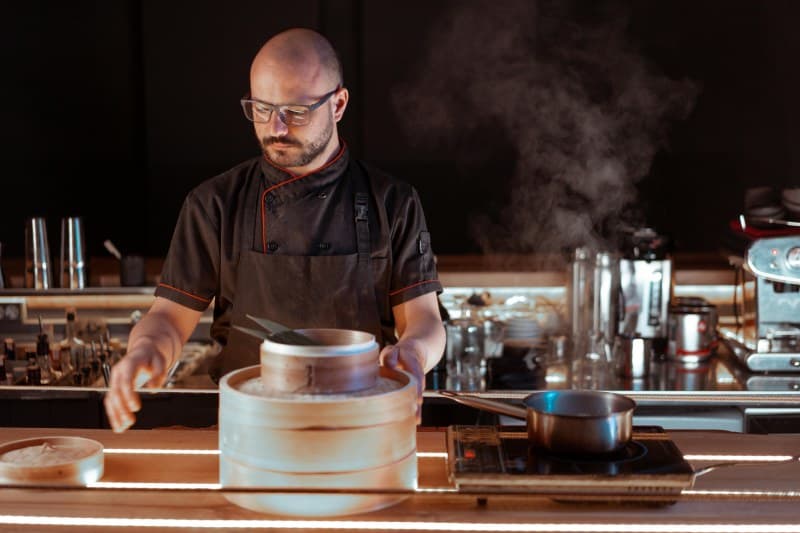
My mom used to boil broccoli until it was a sad, olive-green mess—mushy, tasteless, and probably stripped of all its good stuff. Then she tried steaming it: 5 minutes in a bamboo steamer, a sprinkle of salt and lemon, and suddenly broccoli was her favorite veggie. Steaming is one of the gentlest cooking methods, but there are so many myths surrounding it. Let’s break down how it works, debunk common misconceptions, and share tips to make your steamed veggies shine.
🍳 How Steaming Veggies Works
Steaming uses hot water vapor to cook veggies. The steam surrounds each piece, cooking them evenly without submerging them in water (which leaches nutrients). It’s ideal for delicate veggies like asparagus or leafy greens, but works for heartier ones like carrots too.
❌ 6 Common Steaming Myths Debunked
Myth 1: Steaming makes veggies bland
Truth: Blandness comes from lack of flavor, not the method. Toss veggies with olive oil, garlic, or herbs before steaming, or add lemon slices to the water for a citrusy kick.
Myth 2: You need a fancy steamer
Truth: No! Use a colander over a pot of boiling water (cover with a lid) or even a microwave-safe bowl with a little water (cover with plastic wrap with holes). Fancy steamers are nice, but not necessary.
Myth 3: Frozen veggies can’t be steamed
Truth: Frozen veggies are perfect for steaming. Skip thawing—just steam for 3-5 minutes until tender. They retain most nutrients since they’re frozen right after harvest.
Myth 4: Steaming takes too long
Truth: Most veggies steam in 3-10 minutes. Broccoli takes 5, asparagus 3-4, carrots 8-10. Way faster than roasting or boiling.
Myth 5: All veggies steam the same way
Truth: Cut thicker veggies (like potatoes) into smaller pieces so they cook evenly. Layer delicate veggies (spinach) on top of heartier ones (cauliflower) to avoid overcooking.
Myth 6: Steaming destroys all vitamins
Truth: Steaming preserves more vitamins (like vitamin C and B) than boiling, since veggies aren’t submerged in water. Roasting can destroy some vitamins due to high heat, but steaming keeps them intact.
🥦 Steaming vs Other Cooking Methods: A Quick Comparison
Wondering how steaming stacks up against boiling or roasting? Here’s a side-by-side look:
| Method | Nutrient Retention (%) | Avg Time (Broccoli) | Flavor Profile | Ease of Prep |
|---|---|---|---|---|
| Steaming | 85-90 | 5 mins | Fresh, crisp, natural | Easy (minimal cleanup) |
| Boiling | 60-70 | 8 mins | Mild, watery | Easy but messy |
| Roasting | 75-80 | 20 mins | Caramelized, rich | Moderate (oven prep) |
💡 Pro Tips for Perfect Steamed Veggies
- Don’t overcrowd the steamer—leave space for steam to circulate.
- Check doneness with a fork: it should pierce easily but still have a crunch.
- Add flavor to the steaming water: ginger, garlic, or herbs like thyme.
- For extra crunch, shock veggies in ice water after steaming (stops cooking).
📜 Classic Quote to Remember
“You don’t have to cook fancy or complicated masterpieces—just good food from fresh ingredients.” — Julia Child
This quote sums up why steaming is so great: it lets fresh veggies be the star. No need for heavy sauces or complicated techniques—just gentle cooking to bring out their natural flavor.
🤔 FAQ: Common Steaming Questions
Q: Can I steam veggies in the microwave?
A: Yes! Place veggies in a microwave-safe bowl, add 2-3 tablespoons of water, cover with a lid or plastic wrap (poke holes for steam), and microwave for 2-4 minutes (depending on the veggie). It’s quick and easy.
Steaming is a simple, healthy way to cook veggies that preserves their nutrients and flavor. Whether you’re using a bamboo steamer or a colander over a pot, give it a try—your taste buds (and body) will thank you. Next time you’re craving veggies, skip the boil and steam them instead!