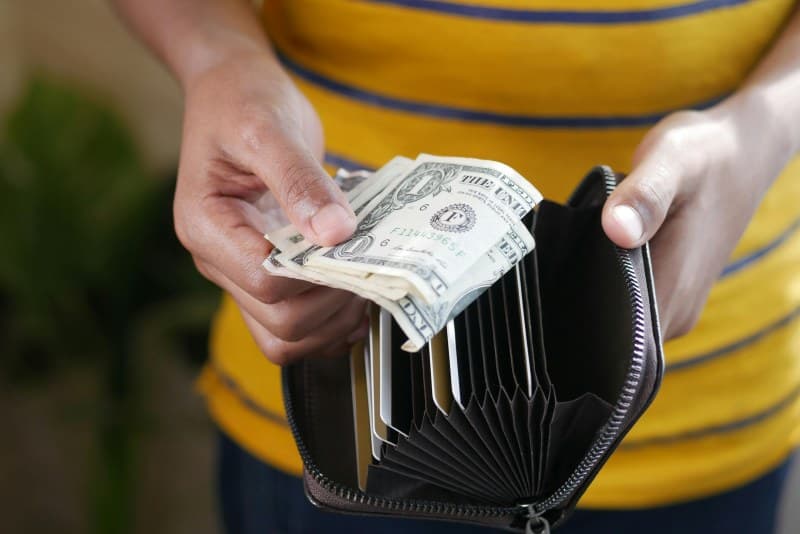
Let’s start with Sarah’s story: Every morning, she grabs a $5 latte on her way to work. She thinks it’s a tiny splurge—no big deal. But at the end of the year, she adds it up: $5 × 365 = $1825. That’s a month’s rent or a weekend getaway she missed out on. Sarah’s mistake? She didn’t notice the thought patterns driving her daily spending.
The 6 Thought Patterns That Drive Overspending
1. “It’s Just a Small Purchase”
We often dismiss $5 lattes, $10 snacks, or $20 trinkets as “nothing.” But these small amounts compound over time. For example, a $10 weekly snack run adds up to $520 a year—enough for a new pair of shoes or a utility bill.
Fix: Track every small expense for one week. You’ll be shocked at how much they add up. Then, pick one small purchase to cut (like the daily latte) and put that money into a savings jar.
2. “I Deserve This” (Reward Mentality)
After a long day at work or a tough exam, it’s easy to think, “I’ve earned this new shirt/burger/streaming subscription.” While treating yourself is okay, using spending as a default reward can lead to overspending.
Fix: Replace material rewards with free or low-cost ones. Try a walk in the park, a movie night at home, or a call with a friend instead of buying something.
3. “Everyone Else Is Doing It” (Social Comparison)
Scrolling through social media and seeing friends post about their new gadgets or vacations can make you feel left out. You might buy something just to keep up, even if you don’t need it.
Fix: Unfollow accounts that trigger envy. Remind yourself that people only post their best moments—they’re not sharing their budget struggles.
4. “I’ll Deal With It Later” (Delayed Consequence)
Swiping a credit card or using a buy-now-pay-later service makes spending feel painless in the moment. You don’t have to face the cost until later, so you ignore the impact.
Fix: Before buying, ask yourself: “Can I afford this without going into debt?” If the answer is no, wait 24 hours to see if you still want it.
5. “This Is a Bargain!” (Impulse Bargain Hunting)
Seeing a “50% off” sign can make you buy something you don’t need—just because it’s cheap. For example, buying a $10 shirt you’ll never wear because it’s 70% off is still a waste of $10.
Fix: Wait 24 hours before buying sale items. Most of the time, you’ll realize you don’t need it.
6. “I Need This to Be Happy” (Emotional Spending)
When you’re sad, stressed, or bored, shopping can feel like a quick fix. But the happiness from a new purchase fades fast, leaving you with regret and a lighter wallet.
Fix: Identify your emotional triggers. If you shop when you’re bored, try reading a book or doing a hobby instead. If you’re stressed, take a deep breath or go for a walk.
Quick Reference: Thought Patterns vs. Fixes
| Thought Pattern | Common Trigger | Quick Fix |
|---|---|---|
| “It’s Just a Small Purchase” | Daily routine splurges | Track small expenses for a week |
| “I Deserve This” | Stress or achievement | Use free rewards instead of shopping |
| “Everyone Else Is Doing It” | Social media or peer pressure | Unfollow envy-triggering accounts |
| “I’ll Deal With It Later” | Credit cards or BNPL services | Ask: Can I afford this without debt? |
| “This Is a Bargain!” | Sale signs or discounts | Wait 24 hours before buying |
| “I Need This to Be Happy” | Sadness, stress, or boredom | Find alternative coping mechanisms |
A Classic Wisdom to Remember
“Beware of little expenses; a small leak will sink a great ship.” — Benjamin Franklin
Franklin’s words ring true today. Those tiny “leaks” (like daily lattes) can add up to big financial problems. By fixing these small leaks, you can keep your financial ship afloat.
FAQ: Can I Break These Habits?
Q: How long does it take to change these thought patterns?
A: It varies, but most people see progress in 2-4 weeks with consistent awareness. Start by focusing on one pattern at a time (like “It’s Just a Small Purchase”) and adjust your habits gradually. Over time, these new habits will become second nature.
Remember: Changing your spending habits isn’t about being perfect—it’s about being more intentional. Even small changes can lead to big savings over time. So pick one pattern to work on this week, and see how it goes!