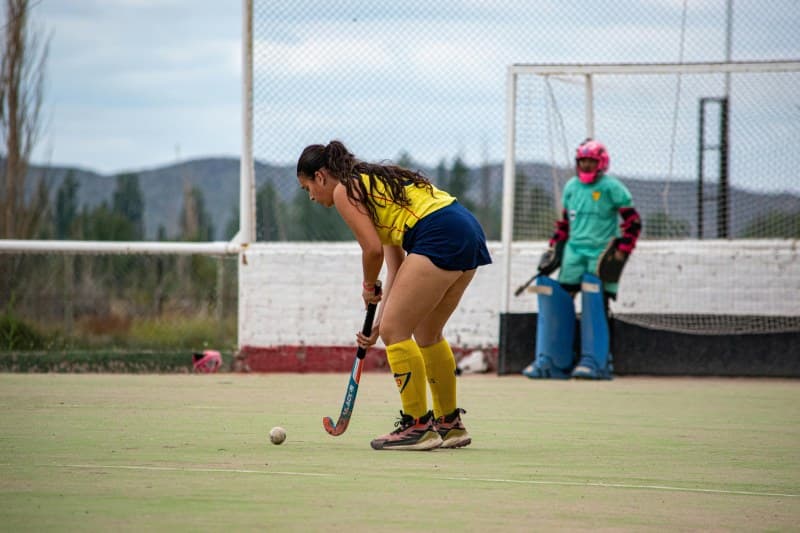
We’ve all been there: You show up to your weekend soccer game, take a penalty kick, and it goes wide—again. Or you’re practicing basketball three-pointers, and no matter how many shots you take, they just don’t land. That’s the skill rut: when your progress hits a wall, and you can’t seem to get better, no matter how hard you try. Let’s talk about why this happens and how to push past it.
Why Do Skill Plateaus Happen?
Plateaus aren’t a sign you’re bad at your sport—they’re a normal part of learning. Here are three common reasons:
- Stagnant muscle memory: Doing the same drill over and over makes your body go on autopilot, but it doesn’t challenge you to grow.
- Mental blocks: Anxiety or self-doubt can creep in, making you overthink simple moves (like that penalty kick).
- Ignoring weak spots: Focusing only on your strengths (like shooting) means you never fix your weaknesses (like defending).
To make this clearer, here’s a quick comparison of common plateau causes and their fixes:
| Cause | What It Looks Like | Quick Fix |
|---|---|---|
| Stagnant Muscle Memory | Repeating the same drill without variation (e.g., always shooting from the same spot) | Add variables: Change distance, angle, or speed of your drill |
| Mental Block | Choking under pressure (e.g., missing easy passes in games) | Visualize success: Imagine nailing the move before you do it |
| Ignoring Weak Spots | Avoiding drills for your worst skill (e.g., dribbling with your non-dominant hand) | Spend 20% of practice time on weak areas |
7 Ways to Break Through Your Skill Rut
Ready to get unstuck? Try these actionable tips:
- Mix up your practice: If you’re a runner, add interval training instead of steady jogs. For soccer, practice passing with your non-dominant foot.
- Record yourself: Use your phone to film your moves. You might notice a tiny mistake (like leaning too far back when shooting) that’s holding you back.
- Get feedback: Ask a coach or experienced friend to watch you. Fresh eyes can spot things you miss.
- Set small, specific goals: Instead of “get better at shooting,” aim for “make 10 out of 15 shots from the 3-point line.” Small wins build confidence.
- Take a break: Sometimes stepping away for a few days (or even a week) lets your brain and body reset. You’ll come back with fresh energy.
- Try cross-training: Yoga improves flexibility for basketball players; weight training boosts strength for runners. It keeps your body guessing.
- Play for fun: Join a casual pickup game where you don’t have to perform. Remember why you love the sport in the first place.
“Practice does not make perfect. Only perfect practice makes perfect.” — Vince Lombardi
This quote hits home: Mindless practice keeps you stuck, but intentional, focused practice helps you grow. For example, if you’re trying to fix your tennis serve, don’t just hit 100 serves—focus on your grip, stance, and follow-through each time.
Relatable Story: Mia’s Basketball Breakthrough
Mia, a weekend basketball player, was stuck on three-pointers. She practiced every day but could never get them to go in. Then she tried recording herself. She noticed she was jumping too high, which threw off her balance. She adjusted her jump, focused on her follow-through, and within two weeks, she was making 6 out of 10 shots. “It was a tiny change, but it made all the difference,” she said.
FAQ: Your Skill Rut Questions Answered
Q: How long does it take to break a skill plateau?
A: It depends on the sport and how consistent you are, but most people see progress in 2-4 weeks of focused, varied practice. Be patient—plateaus are temporary.
Q: Should I quit if I’m stuck?
A: No! Plateaus are a sign you’re growing—you just need to switch up your approach. Take a break, try a new drill, or ask for help. You’ll get past it.
Final Thoughts
Skill ruts are normal, but they don’t have to last. By mixing up your practice, getting feedback, and staying intentional, you can push past that wall and keep improving. Remember: Every great athlete has been stuck at some point—what matters is how you bounce back.