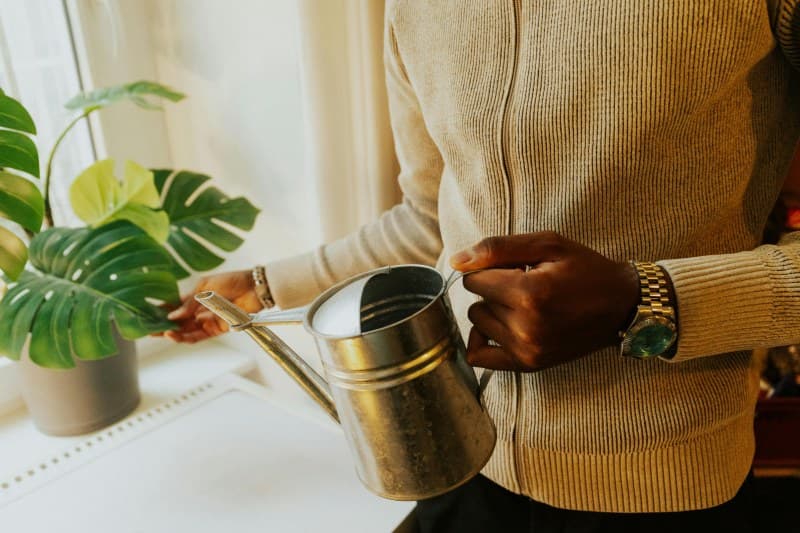
Let’s start with a relatable story: My friend Sarah brought home a snake plant, excited to add some green to her apartment. She read somewhere that plants need “lots of light,” so she placed it on her south-facing windowsill, where the sun blazed for 6 hours a day. A month later, the leaves turned yellow and crispy—she thought she’d killed it. But here’s the thing: Snake plants hate direct sun. That’s the problem with the myth that all houseplants need bright, direct light—it’s just not true.
The Truth About Houseplant Light Needs
Houseplants come from all corners of the world, so their light preferences vary wildly. Some (like succulents) love baking in the sun, while others (like pothos) thrive in dim corners. The key is to match your plant to the light in your home.
To make it easier, here’s a quick guide to light levels and which plants fit where:
| Light Level | Examples of Plants | Key Care Note |
|---|---|---|
| Low Light | Snake plant, ZZ plant, Pothos | Avoid direct sun—these plants grow in forest understories. |
| Medium Light | Monstera, Spider plant, Peace lily | Bright indirect light (e.g., near a north or east window). |
| High Light | Succulents, Cacti, Bird of paradise | Direct sun for 4+ hours daily (south or west window). |
7 Common Light Myths Debunked
- Myth 1: All houseplants need direct sunlight. As Sarah learned, this is false. Most common houseplants prefer indirect light.
- Myth 2: Low light means no light. Low light is still light—think a room with a north-facing window or a corner away from direct sun.
- Myth 3: Succulents need full sun all day. Too much direct sun can burn succulents—they need 4-6 hours of morning sun.
- Myth 4: You can’t grow plants in a windowless room. With a grow light, you can! LED grow lights are affordable and effective.
- Myth 5: East-facing windows are bad. East windows give gentle morning sun—perfect for most plants.
- Myth 6: Plants adjust to any light. Sudden changes (like moving a low-light plant to direct sun) can shock them.
- Myth 7: More light = faster growth. Too much light can slow growth or damage leaves—balance is key.
“Light is the first element of plant life.” — Luther Burbank, renowned horticulturist
This quote reminds us that light is essential, but it’s not a one-size-fits-all solution. Burbank spent his life breeding plants, so he knew that understanding each plant’s light needs is the foundation of good care.
FAQ: Your Light Questions Answered
Q: How do I measure light in my home?
A: A simple trick: Hold your hand up to the window at noon. If you see sharp, dark shadows, it’s high light. Soft shadows mean medium light. No shadows? Low light.
Q: Can I move my plant to a brighter spot if it’s leggy?
A: Yes, but do it gradually. Move it 1-2 feet closer to the light every 3 days to avoid shock.
Final Tips for Happy Plants
Remember: Observation is your best tool. If your plant’s leaves are yellowing, it might be getting too much light. If it’s stretching toward the window, it needs more. And don’t forget—even the “hardest” plants need the right light to thrive.
So next time you bring home a new plant, skip the generic “lots of light” advice. Do a quick check on its native habitat, and match it to the light in your space. Your plants (and your green thumb) will thank you.