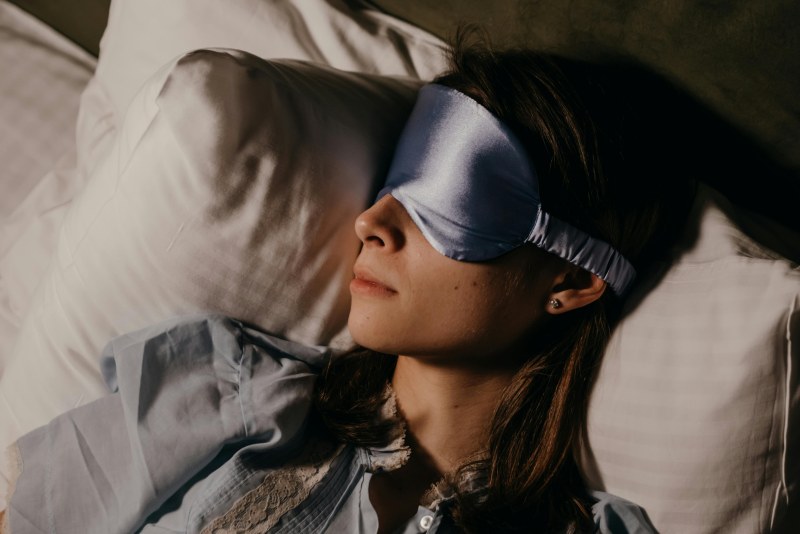
Have you ever woken up after 8 hours of sleep feeling like you barely closed your eyes? Sarah, a 32-year-old teacher, had this problem for months. She’d go to bed at 11 PM and wake up at 7 AM, but still drag through her morning lessons. Then she learned about sleep cycles—specifically, that her bedtime was cutting off a crucial deep sleep stage. By shifting her bedtime to 10 PM, she started waking up refreshed, no coffee needed.
What Are Sleep Cycles?
Sleep isn’t a single state; it’s a series of repeating cycles, each lasting about 90 minutes. Each cycle has four stages: three non-REM (N1, N2, N3) and one REM. These stages work together to repair your body, consolidate memories, and recharge your brain.
7 Key Things to Know About Sleep Cycles
Let’s break down the most important facts about these cycles, starting with the stages themselves:
Here’s a quick comparison of the four sleep stages:
| Stage Name | Typical Duration (per cycle) | Key Features | Primary Benefit |
|---|---|---|---|
| N1 (Light Sleep) | 5-10 mins | Easy to wake up; muscle relaxation; slow eye movement | Transition from wakefulness to sleep |
| N2 (Deeper Light Sleep) | 20-30 mins | Body temperature drops; heart rate slows; brain waves show sleep spindles | Memory consolidation; energy conservation |
| N3 (Deep Sleep) | 20-40 mins (early cycles) | Hard to wake up; slow brain waves; muscle repair | Physical recovery; immune system boost |
| REM Sleep | 10-60 mins (later cycles) | Rapid eye movement; vivid dreams; brain activity similar to wakefulness | Cognitive function; emotional regulation |
2. Cycles get longer as the night goes on: Early cycles have more deep sleep, while later ones have longer REM stages. That’s why waking up in the middle of a REM cycle (like hitting snooze) can leave you feeling groggy.
3. Adults need 4-5 cycles per night: That’s 7-9 hours of sleep—no more, no less for most people.
4. Disrupted cycles lead to poor rest: Things like alcohol, caffeine, or irregular bedtimes can break your cycles, making you feel tired even after enough hours.
5. Your circadian rhythm guides cycles: This internal clock syncs with day and night, so going to bed at the same time every night helps keep cycles consistent.
6. Naps can affect cycles: Short naps (20-30 mins) don’t disrupt nighttime cycles, but long naps (over an hour) might make it harder to fall asleep at night.
7. Age changes cycles: Babies spend more time in REM sleep, while older adults have shorter deep sleep stages.
Why Cycles Matter for Your Health
“Sleep is the best meditation.” — Dalai Lama
This quote rings true because proper sleep cycles give your brain and body the time they need to reset. For example, deep sleep repairs muscle tissue and boosts your immune system, while REM sleep helps you process emotions and remember what you learned that day. Sarah’s story is a perfect example: by aligning her bedtime with her natural cycles, she got more deep sleep, which made her mornings easier.
Simple Ways to Align Your Sleep Cycles
You don’t need fancy tools to get better sleep cycles. Try these tips:
- 💡 Go to bed and wake up at the same time every day (even on weekends).
- 🌙 Avoid screens 1 hour before bed—blue light disrupts your circadian rhythm.
- ☕ Cut off caffeine after 2 PM—its effects can last up to 6 hours.
- 🛌 Keep your bedroom dark, cool, and quiet to encourage deep sleep.
FAQ: Common Sleep Cycle Questions
Q: Can I make up for lost sleep cycles on the weekend?
A: While sleeping in on weekends might feel good, it can throw off your circadian rhythm. It’s better to stick to a consistent schedule all week.
Q: What if I wake up in the middle of a cycle?
A: If you can’t fall back asleep within 20 minutes, get out of bed and do something calm (like reading a book) until you feel tired. Don’t stare at the clock—it will only stress you out.
Sleep cycles are a key part of getting quality rest. By understanding how they work and making small changes to your routine, you can wake up feeling refreshed and ready to take on the day. Remember: consistency is key—just like Sarah found out.