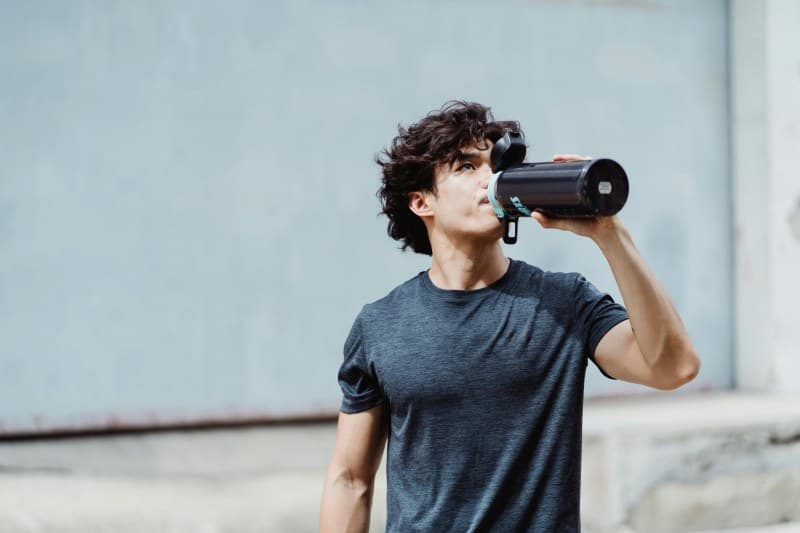
Have you ever set a timer to chug water every hour, even when you’re not thirsty, just to hit that 8-glass goal? Sarah did—until she realized she was spending more time in the bathroom than at her desk, and feeling bloated all day. But is this obsession with 8 glasses really necessary?
Where Did the 8-Glass Water Myth Come From?
The idea of drinking 8 glasses of water daily traces back to a 1945 report from the U.S. Food and Nutrition Board. The report suggested adults need about 2.5 liters of total fluids per day—including fluids from food, coffee, tea, and other drinks. But over time, this got twisted into a rule that you must drink 8 glasses of plain water every day, ignoring other sources.
6 Common Hydration Myths (And Their Truths)
Let’s break down the most persistent hydration myths and set the record straight:
| Myth | Truth |
|---|---|
| You must drink 8 glasses of water daily. | Total fluid needs vary by age, activity level, climate, and health. Most people get enough from water + other drinks + food (like watermelon or cucumber). |
| Caffeinated drinks dehydrate you. | Moderate intake (up to 400mg caffeine/day, ~4 cups coffee) doesn’t dehydrate most people. These drinks count toward your daily fluid intake. |
| Clear urine means perfect hydration. | Pale yellow urine (like lemonade) is ideal. Clear urine may signal overhydration, which can dilute essential electrolytes. |
| Drink water even if you’re not thirsty. | Thirst is a reliable signal for most healthy adults. Forcing water when not thirsty can lead to discomfort or overhydration. |
| Drinking more water helps you lose weight. | Water doesn’t directly burn fat, but it can replace high-calorie drinks (like soda) and help you feel full, supporting weight management. |
| Overhydration isn’t dangerous. | Severe overhydration (hyponatremia) can lower blood sodium levels, leading to nausea, confusion, or even seizures—especially in athletes. |
How to Tell If You’re Properly Hydrated
Instead of counting glasses, look for these simple signs:
- Pale yellow urine (not dark amber or clear)
- Not feeling thirsty frequently
- Normal energy levels (no midday slumps from dehydration)
A Word of Wisdom on Hydration
“The body is a self-healing machine; trust its signals.” — Deepak Chopra
This quote reminds us that our bodies are designed to tell us what we need. Thirst isn’t a sign of failure—it’s a natural cue to drink. Ignoring it or overdoing it can throw your body off balance.
Real-Life Hydration Stories
Take Maria, a casual runner who used to chug 8 glasses a day before her runs. During a 5K, she felt dizzy and had to stop—she’d overhydrated, diluting her blood sodium. After switching to drinking when thirsty, she finished her next race without issues. On the flip side, her friend Tom ignored his thirst during a summer hike. He ended up with a headache and dry mouth—classic dehydration. Both learned that listening to their bodies was better than following a rigid rule.
FAQ: Common Hydration Questions
Q: Can I get enough hydration from food?
A: Yes! Fruits and veggies like watermelon (92% water), cucumber (96% water), and oranges (87% water) contribute significantly to your daily fluid intake. Even soups and smoothies count.
Q: Do older adults need to drink more water?
A: Older adults may have a reduced sense of thirst, so they should make a conscious effort to drink fluids throughout the day—even if they don’t feel thirsty. Sipping water or herbal tea regularly can help prevent dehydration.