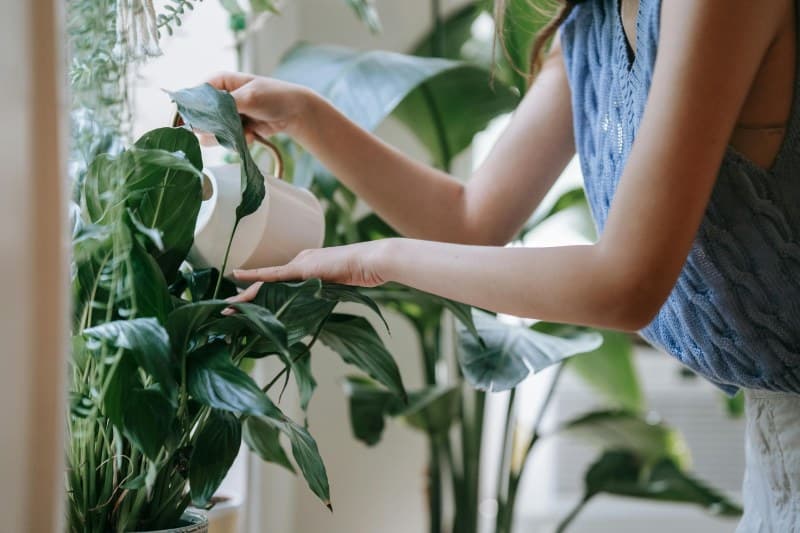
Last year, my friend Lily repotted her beloved pothos every spring because she thought it was the “right thing to do.” By summer, the leaves turned yellow and droopy—she couldn’t figure out why. Turns out, she was over-repotting. The myth that all houseplants need annual repotting is one of the most persistent in plant care, but it’s not always true.
The Truth About Annual Repotting
Repotting isn’t a one-size-fits-all task. It depends on three key factors: plant type, growth rate, and pot size. Young, fast-growing plants like pothos or monstera may need repotting every 1–2 years to give their roots room to spread. Slow-growing plants like snake plants or succulents? They can thrive in the same pot for 2–3 years (or longer) without issues.
Debunking 2 Key Repotting Myths
Myth 1: A Bigger Pot = Happier Plant
Many people think moving a plant to a much larger pot will help it grow faster. But a pot that’s too big holds excess water, leading to root rot. The sweet spot? A new pot that’s 1–2 inches larger in diameter than the old one. This gives roots just enough space to expand without drowning them.
Myth 2: Repot Only in Spring
Spring is ideal for repotting because plants are entering their active growth phase. But it’s not the only time. Healthy plants can be repotted in summer or early fall too. Just avoid winter, when most plants go dormant—disturbing their roots then can stress them out.
When to Repot Common Houseplants
Wondering how often to repot your favorite plants? Here’s a quick comparison:
| Plant Type | Repotting Frequency | Key Signs to Look For |
|---|---|---|
| Pothos | 1–2 years | Roots coming out of drainage holes; slow growth |
| Snake Plant | 2–3 years | Soil dries out quickly; plant tips over |
| Monstera | 1–2 years | Roots visible on soil surface; new leaves are smaller |
| Succulents | 2–3 years | Roots crowding the pot; leaves look plump but growth stalls |
Wisdom for Plant Parents
“Patience is the companion of wisdom.” — Seneca
This quote rings true for plant care. Rushing to repot every year without checking your plant’s needs is the opposite of patience. Take time to observe: Are the roots outgrowing the pot? Is the soil draining properly? These signs will tell you when it’s time to repot, not the calendar.
Common Q&A
Q: My plant is root-bound (roots coming out of drainage holes) but I don’t have a bigger pot—what can I do?
A: Prune the roots! Gently remove the plant from its pot, trim 1–2 inches off the bottom and sides of the root ball, then repot it in the same pot with fresh soil. This helps the plant focus on new growth instead of expanding roots.
Practical Tips to Know
Here are three easy ways to tell if your plant needs repotting:
- Roots are visible through drainage holes or on the soil surface.
- Soil dries out within a day or two after watering.
- The plant is top-heavy and tips over easily.
By following these tips and debunking the myths, you’ll keep your houseplants happy and healthy for years to come.