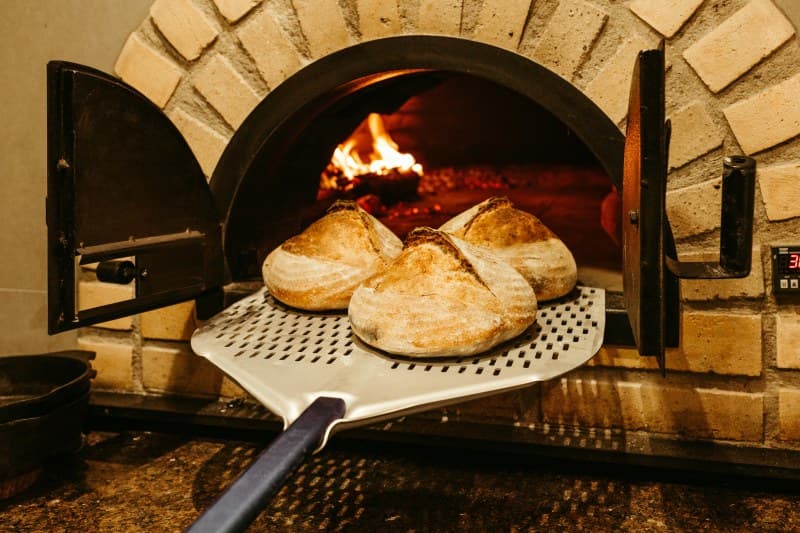
There’s nothing quite like the smell of fresh sourdough bread baking in the oven—crusty crust, soft crumb, and that tangy, earthy flavor that only comes from a well-cared-for starter. But getting that starter right? It’s a journey, not a sprint. Let’s break down everything you need to know to grow a starter that turns ordinary flour and water into magic.
What Is a Sourdough Starter, Anyway? 🍞
A sourdough starter is a living culture of wild yeast and bacteria. These tiny organisms feed on flour, producing carbon dioxide (which makes bread rise) and lactic acid (which gives sourdough its signature tang). Think of it as your bread’s “engine”—without a healthy starter, you won’t get that perfect rise or flavor.
5 Key Stages of a Sourdough Starter
Every starter goes through distinct phases. Here’s a breakdown of what to expect at each step:
| Stage Name | Visual Cues | Duration | Action Needed |
|---|---|---|---|
| Initial Mix | Lumpy, no bubbles; looks like thick batter | 24–48 hours | Mix 100g all-purpose flour + 100g warm water. Cover loosely with a cloth. |
| First Rise | Small bubbles on the surface; slight expansion | 24 hours | Discard half the starter. Add 50g flour +50g water; stir well. |
| Active Fermentation | Doubles in size; lots of bubbles (top and sides); sour, yeasty smell | 12–24 hours | Feed every 12 hours (warm room) or 24 hours (cool room). Discard half each time before feeding. |
| Mature Starter | Consistently doubles in 4–6 hours; holds shape when dropped from a spoon; strong, tangy aroma | 7–10 days total | Ready to use! Reserve 50g for baking; feed the rest to keep it alive. |
| Maintenance | Stable rise; slow activity if refrigerated | Ongoing | Refrigerate: Feed once weekly (discard half, add 50g flour +50g water). Room temp: Feed every 12–24 hours. |
Common Myths Debunked 💡
Let’s clear up some misconceptions about sourdough starters:
- Myth: You need special “sourdough flour” or a starter from a friend.
Truth: Wild yeast is everywhere! You can start a starter with any all-purpose or whole wheat flour and tap water. No need for fancy ingredients. - Myth: If your starter smells like vinegar, it’s bad.
Truth: A mild vinegar smell is normal—it means the lactic acid bacteria are doing their job. Only worry if it smells rotten or has mold (green/black spots). - Myth: You have to feed your starter every day.
Truth: If you refrigerate it, weekly feeding is enough. Room temp requires more frequent feeding, but daily isn’t always necessary.
A Story of Starter Success
My friend Sarah was determined to make sourdough at home. She mixed flour and water, then fed it twice a day because she thought more feeding would speed things up. After three days, her starter was runny, smelled like rotten eggs, and didn’t rise. She almost gave up—until she read about overfeeding. She discarded half the starter, cut back to once-daily feedings, and kept it in a warm spot (around 75°F). Within three more days, it started bubbling and doubling in size. Now she bakes a loaf every weekend, and her starter is so active it’s become a family heirloom.
“Good things come to those who wait.” — English Proverb
This proverb sums up sourdough perfectly. Rushing the process (like Sarah did) leads to frustration, but patience lets the yeast and bacteria build a strong, flavorful culture. Your starter isn’t just a mix of flour and water—it’s a living thing that needs time to thrive.
FAQ: Your Starter Questions Answered
Q: Can I use whole wheat flour for my starter?
A: Yes! Whole wheat has more nutrients (like bran and germ) that yeast love, so it might speed up fermentation. Just note that whole wheat starter is thicker than all-purpose, so adjust water amounts if needed.
Q: What if my starter doesn’t rise after a week?
A: Check the temperature—starter needs 70–75°F to grow. If it’s too cold, move it to a warmer spot (like near a stove or in a proofing box). Also, make sure you’re discarding half before each feeding—this helps the culture stay healthy.
Final Tips for a Thriving Starter
- Use filtered or tap water (avoid chlorinated water, which can kill yeast).
- Keep your starter in a glass jar with a loose lid (it needs air to breathe).
- Label your jar with the date you started—this helps track progress.
- Don’t be afraid to experiment! Try adding rye flour for extra flavor, or adjust feeding times based on your schedule.
Growing a sourdough starter is a labor of love, but the reward—fresh, homemade bread—is worth every minute. Remember: your starter is unique, so don’t compare it to others. With a little patience and care, you’ll have a starter that bakes delicious bread for years to come.