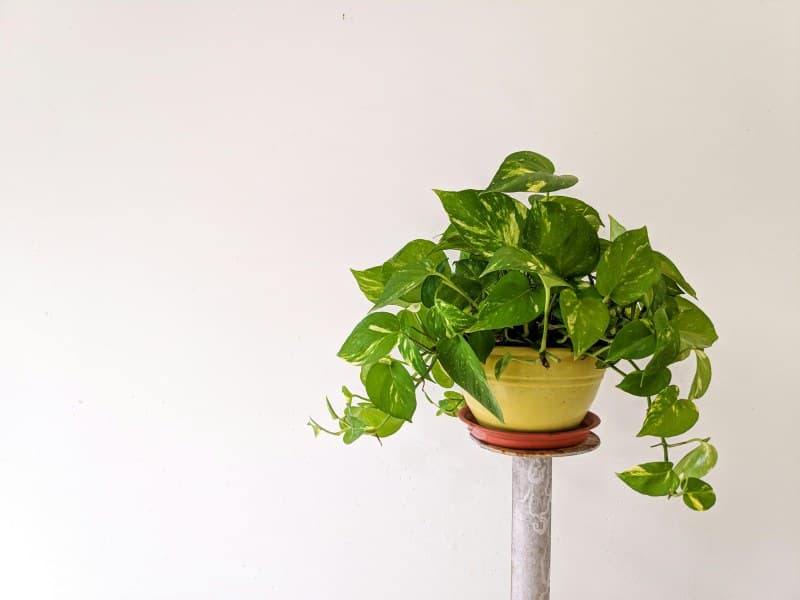
Last month, my friend Sarah killed her beloved jade plant. She’d read somewhere that plants need daily water, so she doused it every morning—until the leaves turned yellow and mushy, and the roots rotted. Sound familiar? Many of us fall for common watering myths that do more harm than good, turning our green thumb dreams into brown-thumb realities.
Is Daily Watering Really Necessary?
The short answer: it depends. Some plants (like ferns or pothos in small pots) might need frequent watering, but most don’t. Factors like plant type, pot size, soil drainage, and humidity level all play a role. For example, succulents and cacti can go weeks without water, while tropical plants like calatheas might need a drink every 2-3 days.
To help you visualize, here’s a quick comparison of three common houseplants:
| Plant Type | Watering Frequency | Soil Type | Signs of Overwatering |
|---|---|---|---|
| Succulent (Jade) | Every 2-3 weeks | Well-draining cactus mix | Yellow, mushy leaves; root rot |
| Pothos | Every 1-2 weeks | Potting mix with perlite | Wilting despite moist soil; yellow leaves |
| Fern (Boston) | Every 3-4 days | Moist, peat-based mix | Brown leaf tips; slimy soil |
Oscar Wilde once said, “Everything in moderation, including moderation.” This rings true for plant watering—too much or too little can spell disaster.
6 Common Watering Myths Debunked
Myth 1: Water plants on a strict schedule
Many people set a weekly reminder to water their plants, but this is a mistake. Soil moisture changes with season (less in winter, more in summer) and environment. Instead of a schedule, check the soil each time.
Myth 2: Overwatering is better than underwatering
Root rot from overwatering is one of the top causes of houseplant death. Underwatered plants can usually be revived with a drink, but overwatered ones often have irreversible root damage.
Myth 3: All plants need the same amount of water
A succulent and a fern have completely different needs. Succulents store water in their leaves, so they need less; ferns thrive in moist environments, so they need more.
Myth 4: Watering from the top is bad
Watering from the top is fine if done correctly. Avoid getting water on the leaves of plants like African violets (which can cause spots), but most plants handle top watering well. Just make sure the water drains through the pot.
Myth 5: Ice cubes are a safe way to water
Ice cubes can shock plant roots with cold temperatures, especially tropical plants. Stick to room-temperature water instead.
Myth 6: Yellow leaves mean underwatering
Yellow leaves can also signal overwatering. Check the soil first—if it’s moist, you’re probably overwatering.
Quick Q&A: Common Watering Question
Q: How do I know if my plant needs water?
A: Stick your finger 1-2 inches into the soil. If it’s dry, water; if it’s moist, wait. For succulents, check 2-3 inches deep—they like drier soil.
Practical Tips to Get Watering Right
- Use a moisture meter (cheap and easy to find) to check soil moisture.
- Choose pots with drainage holes to prevent water from pooling.
- Adjust watering in winter: most plants go dormant and need less water.
- Group plants with similar needs together (e.g., succulents with other succulents) to make watering easier.
By ditching these myths and paying attention to your plants’ needs, you’ll be on your way to a thriving indoor garden. Remember: every plant is unique—take the time to get to know yours!